











Hooked on Action: Your Guide to Thriving Predator Fishing Seasons
Pursuing predator fish is not just a hobby; it’s a passion that can lead to exhilarating outdoor experiences. Understanding the timelines and strategies for fishing different species can elevate your angling game significantly. This guide will explore the prime seasons for predator fishing, the species to target, effective techniques, and essential gear to help you immerse yourself in the angling adventure.
    <h3>The Allure of Predator Fishing</h3>

    <p>Predator fish such as bass, pike, catfish, and muskellunge ignite the adrenaline in anglers. These species are not only challenging to catch but also offer a rewarding experience once hooked. Recognizing the optimal times to fish for predators is crucial to success. Factors such as weather conditions, water temperature, and seasonal variations can all influence predator behavior.</p>
<h3>1. Seasonal Breakdown of Predator Fishing</h3>

    <p>Each season brings its unique charm and challenges. Here’s how you can optimize your fishing adventures throughout the year:</p>
<h4>Spring: Awakening the Waters</h4>

    <p>As winter recedes, predator fish become more active. Spring is characterized by spawning activities, which makes it an exciting time for fishing. Bass, for instance, tend to move into shallow waters for spawning. Anglers can find success by using lures that mimic the movements of prey fish.</p>
<h4>Summer: Hot Days, Hot Fishing</h4>

    <p>Summer typically sees the peak activity of many predator species. During this season, early mornings and late evenings are the most productive times for fishing. The heat drives fish to deeper waters during the day, making it essential to adapt your fishing strategy. Techniques such as trolling and using deep-diving lures can prove effective during these warmer months.</p>
<h4>Fall: Feeding Frenzy</h4>

    <p>As temperatures drop and days shorten, predator fish prepare for winter by feeding intensely. Fall offers anglers the opportunity to reel in hefty catches. Fish are often found in shallow waters, so the use of topwater lures can yield excellent results. Pay close attention to the baitfish; the presence of shad indicates a nearby feeding frenzy.</p>
<h4>Winter: The Quiet Waters</h4>

    <p>While cold weather may deter many anglers, winter fishing can be productive—especially if you know where to look. Ice fishing opens up a unique way to catch species like pike and walleye. Anglers should target deeper waters where fish congregate and employ techniques such as jigging for the best results.</p>
<h3>2. Target Species and Strategies</h3>

    <p>Understanding the characteristics and behaviors of specific predator species can enhance your chances of success. Here’s a look at popular predator fish and how to target them:</p>
<h4>Bass</h4>

    <p>Bass fishing is immensely popular due to their availability and challenging nature. Key strategies for catching bass include:</p>

    <ul>

        <li>**Topwater Lures:** Great for early mornings and late evenings.</li>

        <li>**Jigging & Spinnerbaits:** Effective during daytime under various conditions.</li>

        <li>**Understanding Structure:** Look for them near submerged rocks, weeds, or docks.</li>

    </ul>
<h4>Pike</h4>

    <p>Pike are aggressive predators that thrive in cold waters. To target pike successfully, consider:</p>

    <ul>

        <li>**Spoons and Swimbaits:** Effective in both open waters and overgrowth.</li>

        <li>**Fishing Deep Weeds:** They often ambush prey in cover.</li>

        <li>**Be Mindful of Their Teeth:** Wire leaders are a must to avoid bite-offs.</li>

    </ul>
<h4>Catfish</h4>

    <p>Catfish offer an exciting challenge, especially for nighttime anglers. Consider these tips:</p>

    <ul>

        <li>**Live Bait:** Worms or cut bait work well for enticing catfish.</li>

        <li>**Night Fishing:** Catfish are nocturnal, making night outings highly productive.</li>

        <li>**Staying Stealthy:** Minimize noise to avoid spooking them.</li>

    </ul>
<h4>Muskellunge</h4>

    <p>The elusive muskie is considered the fish of 10,000 casts. Tactics for muskellunge include:</p>

    <ul>

        <li>**Large Lures:** These predatory giants are attracted to larger bait.</li>

        <li>**Targeting Weedy Areas:** Muskies often lurk in heavy cover.</li>

        <li>**Patience and Persistence:** It may take several attempts to land one.</li>

    </ul>
<h3>3. Essential Gear for Predator Fishing</h3>

    <p>Equipping yourself with the right gear can significantly improve your fishing experience. Here’s a breakdown of essential equipment:</p>
<h4>Rods and Reels</h4>

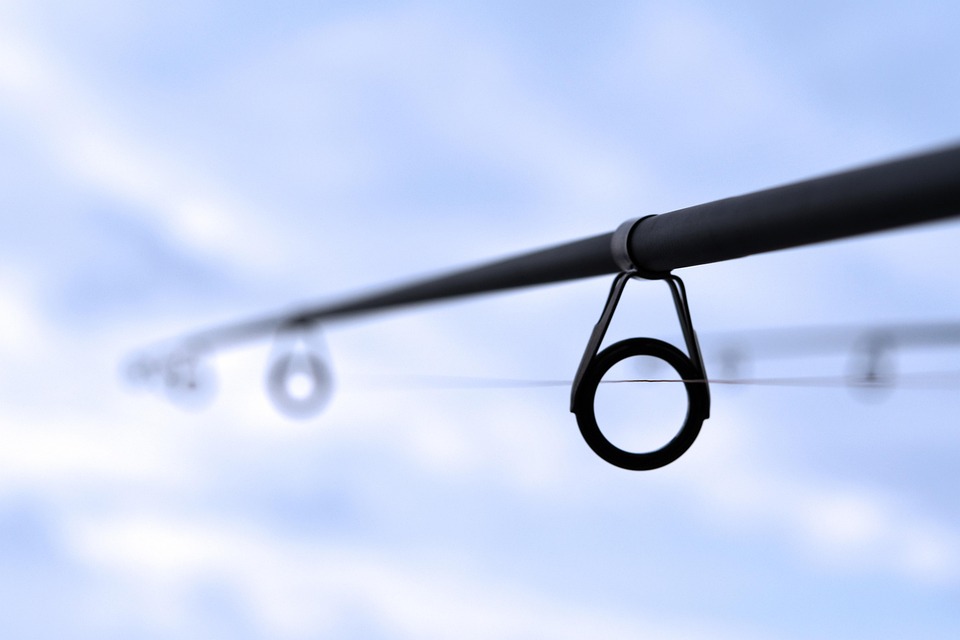
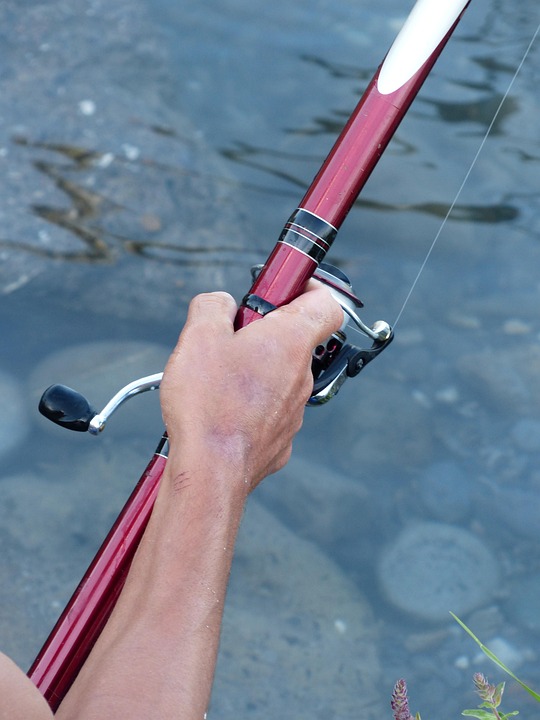
    <p>Selecting a sturdy rod and reel combo is essential for battling heavyweight predators. Look for:</p>

    <ul>

        <li>**Sturdy Rods:** A medium-heavy rod is ideal for bass and pike.</li>

        <li>**Reel Size:** A reliable reel with a good drag system can handle larger species.</li>

    </ul>
<h4>Lines and Leaders</h4>

    <p>Your line strength can make or break a catch. Consider:</p>

    <ul>

        <li>**Braid vs. Monofilament:** Braid offers sensitivity, while monofilament offers stretch.</li>

        <li>**Use Leaders:** For toothy predators like pike, a steel or fluorocarbon leader is advisable.</li>

    </ul>
<h4>Lures and Baits</h4>

    <p>In predator fishing, using the right lures is crucial. Popular choices include:</p>

    <ul>

        <li>**Spinnerbaits:** Effective for bass and pike.</li>

        <li>**Jigs:** Suitable for various species, including catfish.</li>

        <li>**Topwater Lures:** Great for aggressive feeding times.</li>

    </ul>
<h3>4. Conservation and Ethical Fishing Practices</h3>

    <p>While the thrill of catching predator fish is exhilarating, maintaining the ecosystem is vital for sustainable fishing. Here are ways you can support conservation:</p>

    <ul>

        <li>**Catch and Release:** Practice this method for species that are under threat.</li>

        <li>**Adhere to Local Regulations:** Be aware of fishing seasons, limits, and size requirements.</li>

        <li>**Clean Up After Yourself:** Ensure you leave natural fishing environments pristine.</li>

    </ul>
<h3>Conclusion</h3>

    <p>Predator fishing is an enriching outdoor activity that can foster appreciation for nature while providing unforgettable thrills. By understanding seasonal patterns, employing the right techniques, and using suitable equipment, anglers can enhance their chances of landing a trophy fish. Moreover, adopting sustainable practices ensures that future generations of anglers can also enjoy the joys of predator fishing. So get hooked on action, share your knowledge, and keep the passion for fishing alive!</p>
<h3>FAQs</h3>

    <div>

        <h4>1. What is the best time of year for predator fishing?</h4>

        <p>The best time often varies by species, but spring and fall typically yield the best results due to spawning and feeding patterns.</p>
<h4>2. Do I need a fishing license?</h4>

        <p>Yes, a fishing license is usually required to fish legally. Check your local regulations for specific requirements.</p>
<h4>3. What's the best bait for catfish?</h4>

        <p>Live bait such as worms or cut bait can be very effective for catfish.</p>
<h4>4. Can I practice catch-and-release for all species?</h4>

        <p>While most species can be released, some may require specific handling to ensure their survival. Always consult local regulations.</p>
<h4>5. What should I do if I catch a fish I don't want to keep?</h4>

        <p>Handle the fish gently, remove the hook carefully, and return it to the water as quickly as possible to minimize stress.</p>

    </div>

</article>- advanced predator fishing
- aggressive fish fishing
- barracuda fishing
- barracuda lure fishing
- freshwater predator fishing
- large predator fishing
- muskie fishing
- muskie lure fishing
- pike fishing
- pike lure fishing
- predator angling
- predator fishing
- predator fishing baits
- predator fishing destinations
- predator fishing for beginners
- predator fishing gear
- predator fishing guides
- predator fishing lures
- predator fishing reels
- predator fishing rigs
- predator fishing rods
- predator fishing seasons
- predator fishing spots
- predator fishing tactics
- predator fishing techniques
- predator fishing tips
- predatory fish fishing
- saltwater predator fishing
- zander fishing
- zander jigging








Leave a comment