
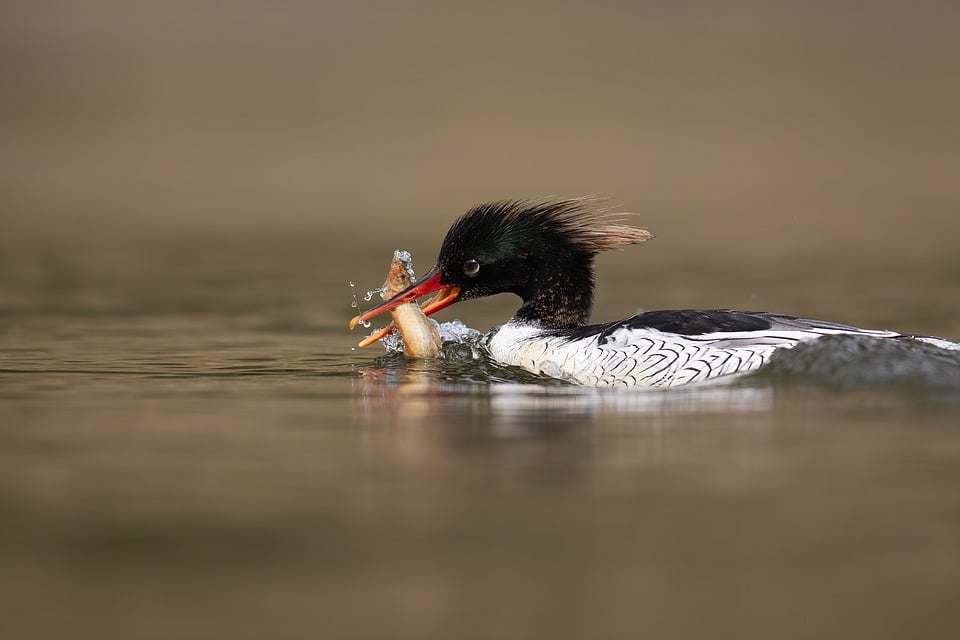


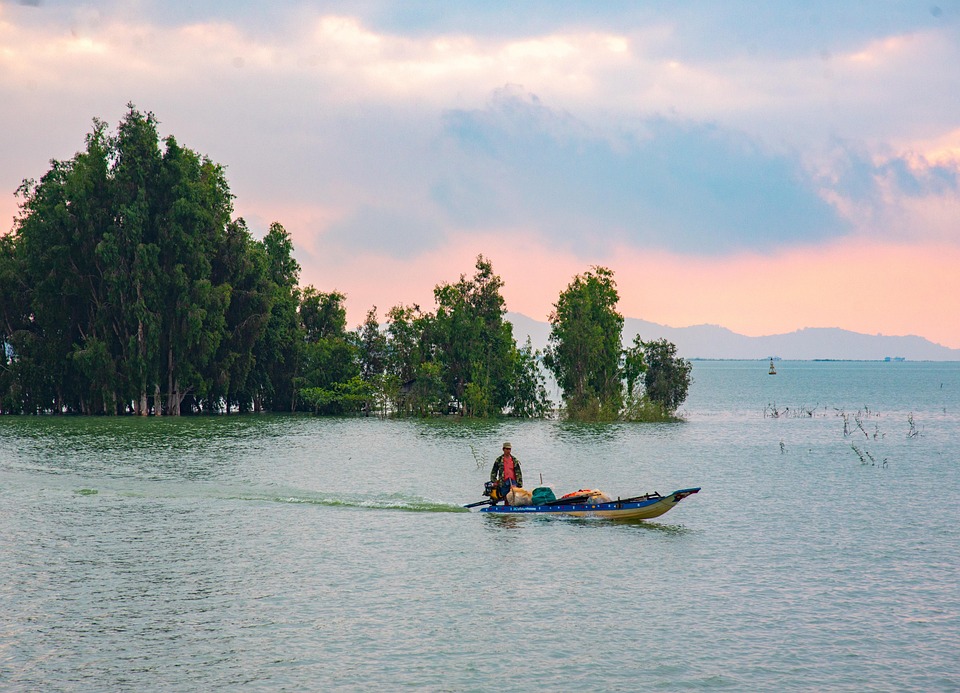






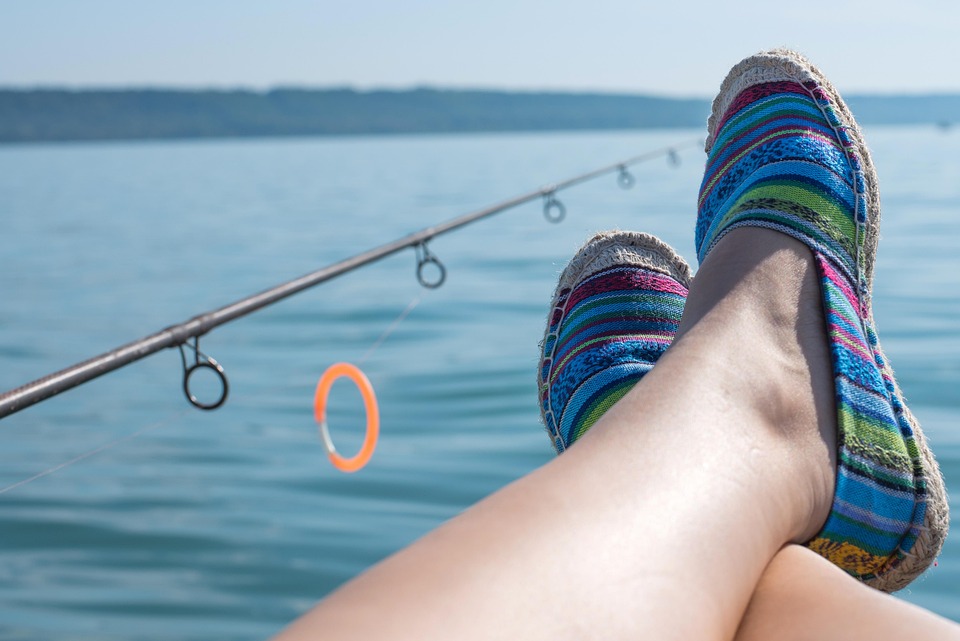


Fishing is more than just a pastime; it’s an expedition into nature, a form of art, and a way to connect with the present moment. Whether you dream of reeling in the big catch or simply enjoying serene hours by the water, fishing is an activity that has entranced humans for thousands of years. This article aims to equip novice anglers with essential tips to kickstart their fishing journey.
The Allure of Fishing
Why do people fish? It’s not just about catching fish; it’s about the experience. The tranquility of nature, the thrill of a tug on the line, and even the challenge of mastering the technique are all part of the allure. Fishing can also be a bonding experience shared with family and friends. But before you cast your line, it’s crucial to learn the basics.
Essential Fishing Gear for Beginners
The first step in your fishing adventure is to equip yourself with the correct gear. Here’s a primer to get you started:
1. Fishing Rod and Reel
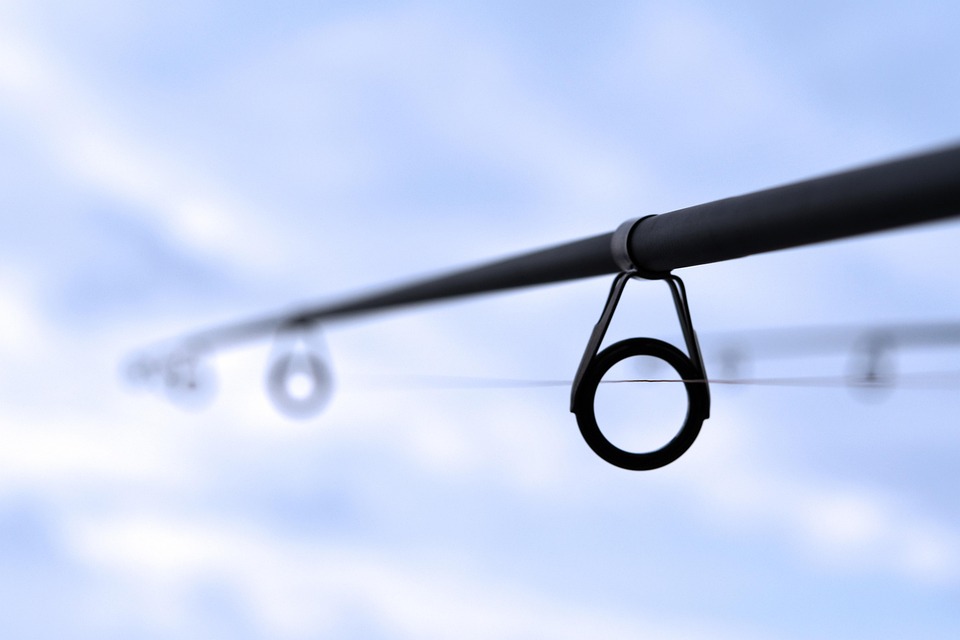
A good fishing rod and reel combo can significantly affect your fishing experience. Beginners can opt for a spinning rod, which is easier to handle. Look for a rod length of around 6-7 feet, paired with a spinning reel suited for freshwater fishing.
2. Tackle Box
Invest in a tackle box to organize your lures, hooks, sinkers, and other equipment. It’s also a good idea to have a first aid kit on hand for minor injuries.
3. Fishing Line
Select a fishing line that matches your rod and reel. For beginners, a monofilament line of 6-12 pound test is recommended for freshwater fishing. It’s versatile, strong, and forgiving when learning to cast.
4. Hooks and Lures
A selection of hooks and lures tailored to your target species is essential. Familiarize yourself with different types: live bait, soft plastics, and hard bodied lures each have unique applications and techniques.
5. Miscellaneous Equipment
Don’t forget about pliers, a fishing knife, a net for landing fish, and a cooler to keep your catch fresh. A fishing license is also required in most places, so ensure you obtain one before heading out.
Learning the Basics of Casting
Now that you have your gear, it’s time to master the art of casting. Quality casting is essential for successful fishing, as it allows you to place your bait where the fish are. Follow these steps for a successful cast:
1. Grip the Rod Correctly
Hold the rod firmly but comfortably, with your dominant hand gripping the handle and your other hand guiding the rod at the top. Your grip should be strong enough to control the rod but relaxed enough to allow movement.
2. Positioning the Reel
Ensure that the reel is facing upward and the line is properly threaded through the guides. Your line should have a few feet of slack for casting.
3. Start the Casting Motion
Begin with the rod behind you. On a smooth motion, bring the rod forward while stopping at around 10 o’clock. Let go of the trigger as you reach this point to send your lure into the water.
4. Follow Through
Complete your cast by following through with your rod. This not only adds distance to your cast but helps you maintain control. Practice in an open space to get accustomed to the motion.
Choosing the Right Location
Where you fish can greatly affect your success. Here are some tips for choosing the right fishing spot:
1. Freshwater vs. Saltwater
Determine whether you want to fish in freshwater (lakes, rivers) or saltwater (ocean, bays). Research local hotspots since different species thrive in different environments.
2. Observe Seasonal Patterns
Fish behavior changes with the seasons. For example, during spring, many fish will spawn in shallow waters, making them easier to catch.
3. Look for Structures
Fish often gather around structures, such as fallen trees, rocks, or man-made structures like docks. Using sonar devices can help you identify these areas underwater.
Understanding Fish Behavior
To enhance your fishing success, take time to learn about fish behavior:
1. Feed Patterns
Fish are generally more active during early mornings and late afternoons. They feed during these times, so plan your fishing trips accordingly.
2. Weather Conditions
Weather impacts fish activity. Overcast days often lead to high feeding activity, whereas bright sunny days can make fish more cautious and harder to catch.
3. Water Temperature
Different fish species prefer different water temperatures. Research the optimal temperatures for the species you want to catch to time your fishing accordingly.
Techniques for Success
Besides casting, various techniques can help you reel in that big catch:
1. Drift Fishing
This technique involves allowing your bait to drift with the current, making it more appealing to fish. It’s effective in rivers and lakes with current.
2. Bottom Fishing
Use weights to drop your bait to the bottom, where many species hang out. This is particularly effective for cats, carp, and other bottom-dwelling species.
3. Trolling
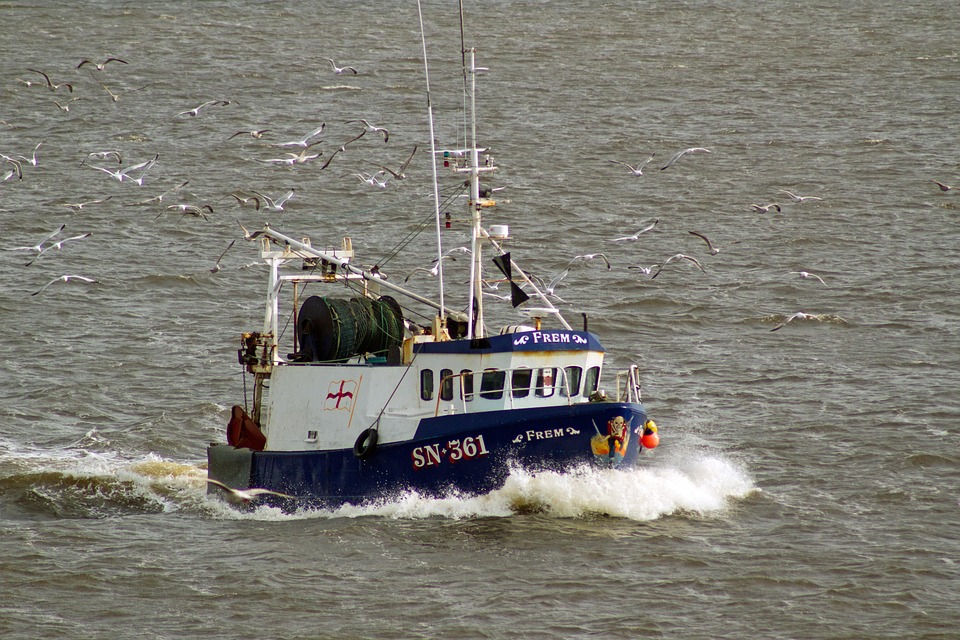
Trolling involves pulling lures or bait behind a moving boat at a slow speed. This method covers a lot of water and can lead to catching suspended fish.
Conservation and Ethics
As budding anglers, it’s crucial to practice responsible fishing. Always be aware of local regulations concerning catch limits and size restrictions. Remember to:
1. Practice Catch and Release
If you’re not planning to eat your catch, practice catch and release. Gently remove hooks and handle fish with wet hands to minimize stress and damage.
2. Preserve Habitats
Avoid littering and respect the natural environment. Take your trash with you and follow local guidelines for fishing and environmental conservation.
Conclusion
Fishing, with its blend of technique, patience, and appreciation for nature, offers an unparalleled experience. As you embark on this journey, remember to equip yourself well, practice your casting technique, and always be mindful of your impact on nature. Over time, you will refine your skills, create lasting memories, and perhaps even pass on your knowledge to the next generation of anglers. So grab your gear, find a good spot, and cast your dreams into the waters that await.
FAQs
1. What is the best time to fish for beginners?
The early morning and late afternoon are often the best times, as fish tend to be more active during these hours.
2. Do I need a fishing license?
Yes, most regions require a fishing license. Always check your local regulations before heading out.
3. What type of bait should I use?
Live bait like worms or minnows is effective for beginners, but many also find success with artificial lures specific to the species they are targeting.
4. How can I tell if I have a fish on the line?
You’ll feel a tug on the line or see the bobber (if using one) move. Be ready to reel in when you detect these signals.
5. How do I clean and prepare my catch?
It’s essential to follow proper techniques for cleaning fish, which includes gutting them immediately and storing them in a cooler. Research cleaning methods specific to the species you catch.
- beginner bass fishing
- beginner carp fishing
- beginner catfish fishing
- beginner fishing advice
- beginner fishing baits
- beginner fishing gear
- beginner fishing guides
- beginner fishing guides online
- beginner fishing knots
- beginner fishing lures
- beginner fishing mistakes
- beginner fishing reels
- beginner fishing rods
- beginner fishing strategies
- beginner fishing techniques
- beginner fishing tips
- beginner fishing trips
- beginner fishing tutorials
- beginner fishing videos
- beginner fly fishing
- beginner freshwater fishing
- beginner muskie fishing
- beginner panfish fishing
- beginner pike fishing
- beginner saltwater fishing
- beginner trout fishing
- fishing basics
- fishing for beginners
- how to fish
- new anglers tips





Leave a comment