











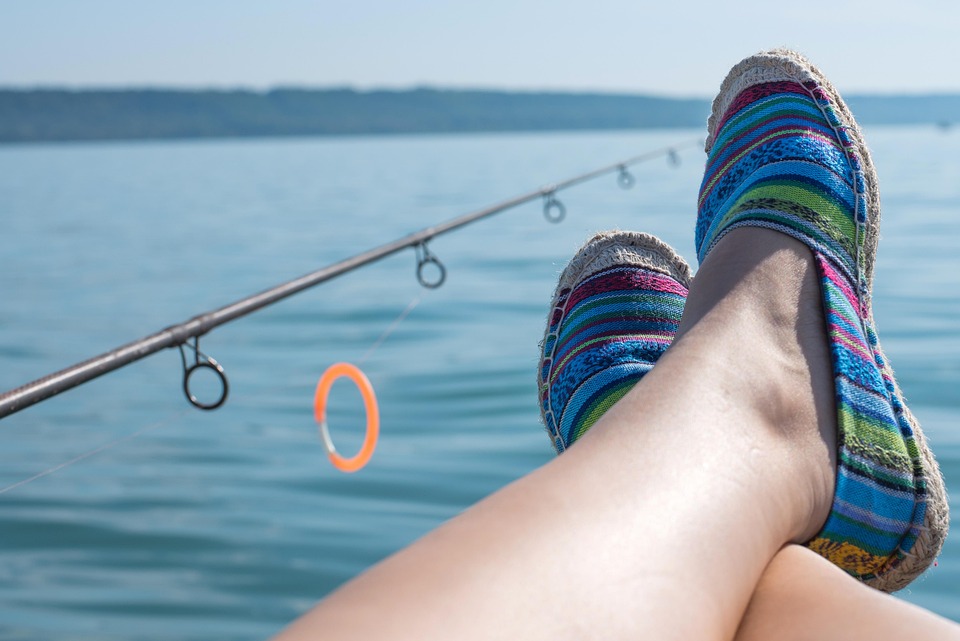

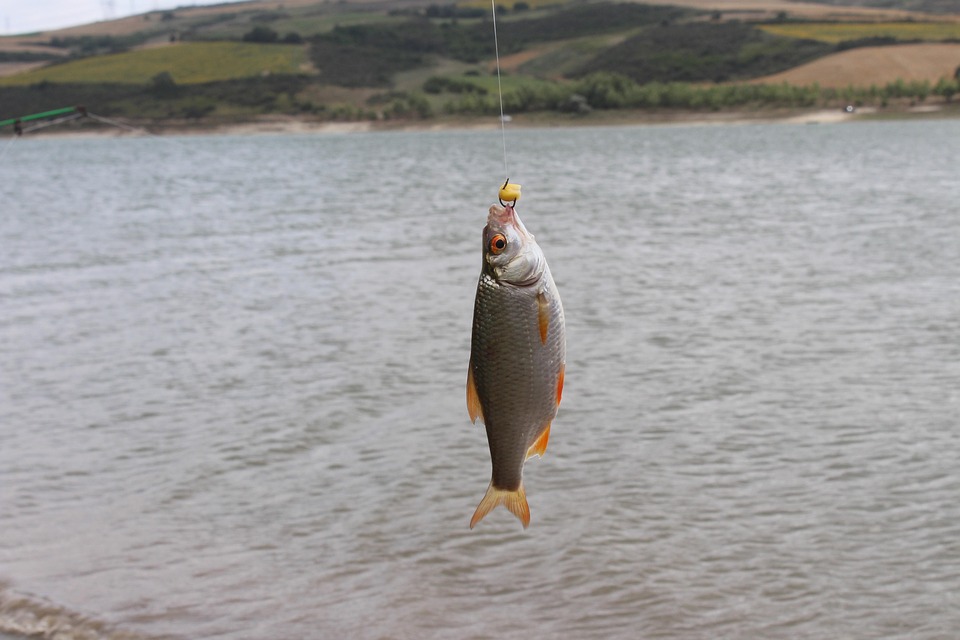
Freshwater predator fishing attracts enthusiasts from various backgrounds, ranging from weekend warriors to seasoned anglers. These dedicated individuals pursue some of the most cunning and impactful creatures within our lakes, rivers, and ponds. For many, it becomes more than just a hobby—it’s an art form. This article aims to delve into the technicalities of mastering freshwater predator fishing techniques and equip you with the knowledge needed to successfully chase the apex of freshwater ecosystems.
Understanding Freshwater Predators
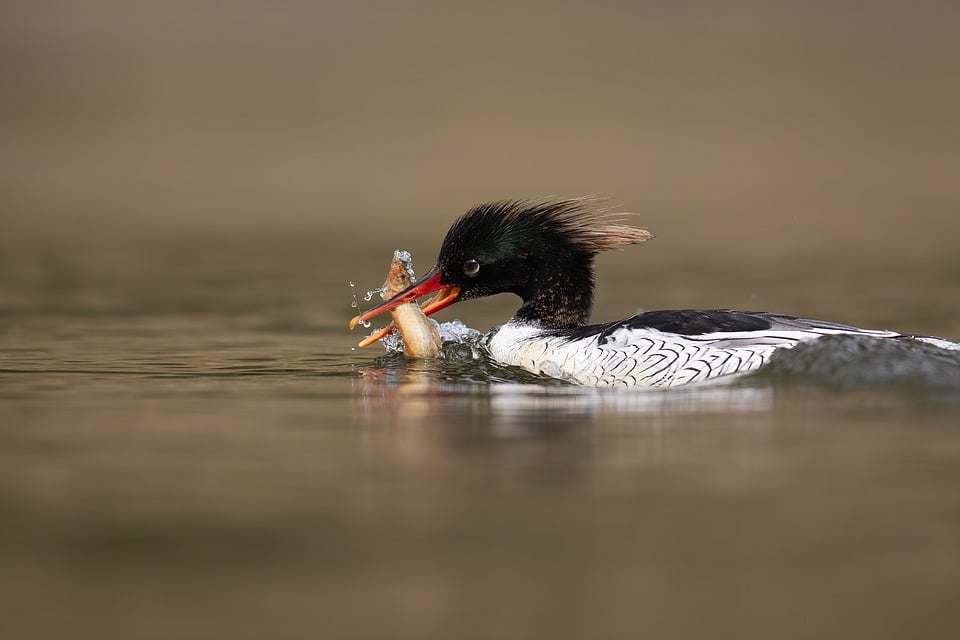
Freshwater predators are species that actively hunt for food in their aquatic environment, primarily preying on smaller fish, crustaceans, and aquatic insects. The most sought-after species include:
- Bass: Largemouth and Smallmouth bass are popular among anglers due to their aggressive nature and willingness to bite various lures.
- Pike: Known for their sharp teeth and powerful strikes, northern pike can grow quite large and present an exhilarating challenge.
- Walleye: A nocturnal predator, walleye offer a unique challenge, often requiring specialized techniques to catch.
- Trout: Depending on the species, trout can be incredibly challenging to catch due to their cautious behavior.
The Essential Gear for Predator Fishing
Choosing the right gear is foundational to your success in freshwater predator fishing. Here’s a breakdown of essential equipment:
Rods and Reels
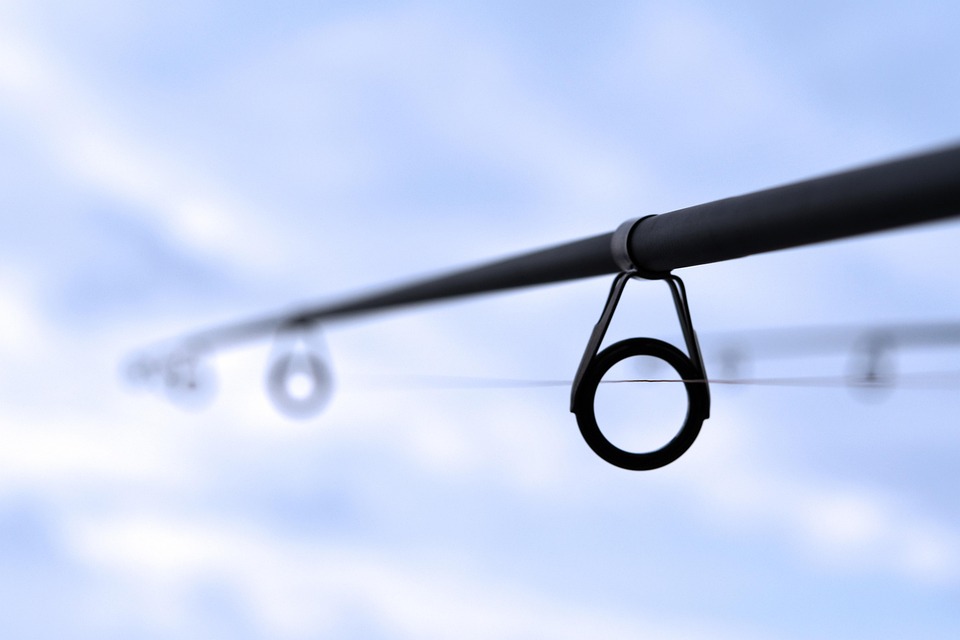
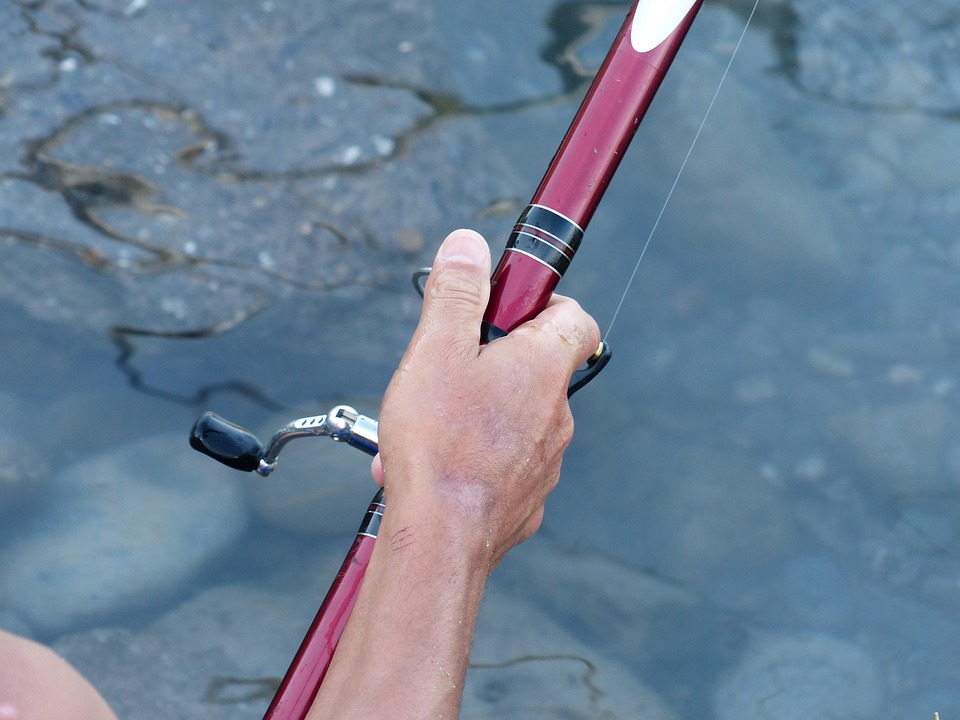
Selecting a rod that can handle the vigorous action of predator fish is crucial. A medium to medium-fast action rod (6’6″ to 7’6″) is often ideal for targeting bass and pike. A suitable reel should have a smooth drag system to help manage critical battles. Spinning reels are versatile, while baitcasting reels typically offer more precision with heavier lures.
Lines
The choice between monofilament, fluorocarbon, and braided lines impacts your fishing experience significantly. Braided lines offer superior strength and sensitivity, making them ideal for heavy cover. Fluorocarbon lines are nearly invisible underwater, which is crucial for spooked fish, particularly in clear waters.
Lures and Baits
The variety of lures used in predator fishing is immense, each serving a specific purpose. Here’s a brief overview:
- Spinnerbaits: Ideal for murky waters, spinnerbaits create vibration and flash to attract predators.
- Swimbaits: Mimic the action of baitfish, making them effective for various predator species.
- Jigs: Excellent for both jigging and casting, they can be effective in heavy cover.
- Topwater Lures: Create explosive strikes on the surface, making for thrilling interactions with fish.
Key Techniques for Success
Mastering the following techniques can elevate your freshwater predator fishing skills considerably:
Understanding Water Temperature
Water temperature influences fish behavior significantly. Generally, predators become more active in warmer waters. Employ temperature gauges or check local fishing reports to determine optimal fishing times. Early morning and late afternoon often yield the best results during warm seasons.
Bobber and Depth Techniques
Using bobbers allows you to control the depth of your bait effectively. Understanding the composition of the water you’re fishing in will allow you to determine where the predators are most likely to be. In summer, for instance, fish might hold near submerged structures, while in colder months, they may move deeper.
Dive and Dash
Employing a ‘dive and dash’ technique with your lures can evoke aggressive strikes. This involves creating a series of erratic movements with your lure to mimic a struggling prey. Abrupt changes in speed or direction can trigger the instinct to chase.
Reading the Water: Structure and Cover
Understanding the water’s structure is critical when targeting apex predators. Key areas to focus on include:
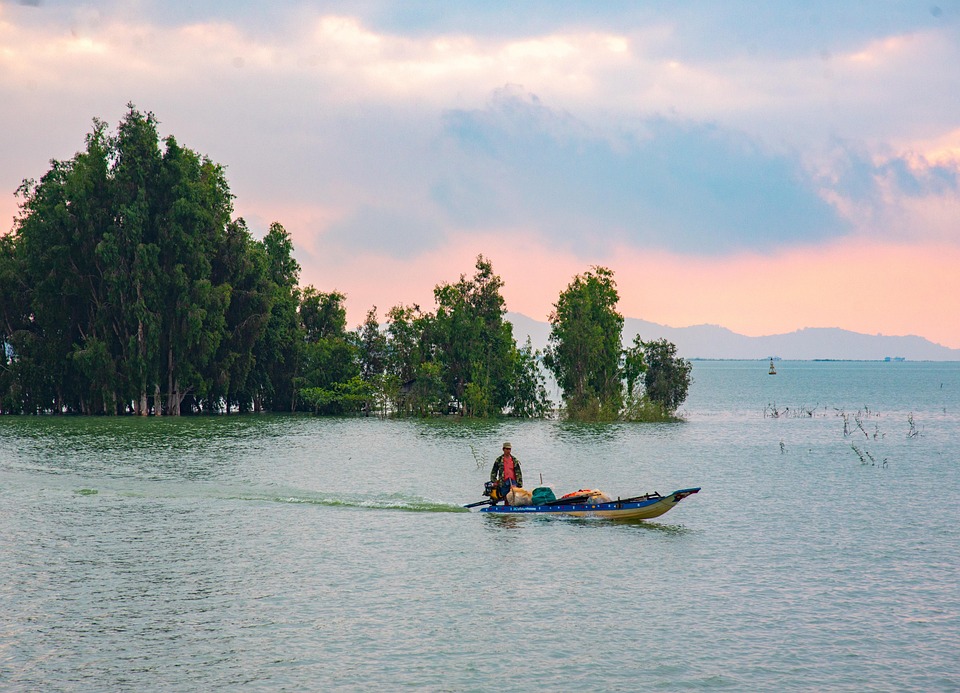
- Fallen Trees: The shade and structure provide hiding spots for predators.
- Weed Beds: Areas with abundant vegetation provide cover and attract baitfish.
- Drop-Offs: Steep edges where shallow water meets deep water often attract fish during feeding times.
Seasonal Patterns in Predator Fishing
The behavior of predator fish changes dramatically with the seasons. Understanding these patterns allows you to adapt your techniques accordingly:
Spring
As the ice melts, predators become more aggressive, permitting an active feeding spree. Baitfish begin to spawn, drawing in larger predators like bass and pike.
Summer
Fish often retreat to deeper waters during mid-day due to high temperatures. Targeting early mornings or late evenings is typically more effective when they venture to shallower water.
Fall
This is a prime time for predator fishing as fish bulk up for winter. Focus on the shallows where they hunt aggressively.
Winter
As the temperature drops, many anglers turn to ice fishing, which requires specialized techniques and gear, but successful catches in cold months are still possible with patience.
Conservation and Ethical Fishing Practices
As responsible anglers, practicing conservation is crucial for maintaining our freshwater ecosystems. Here are a few essential guidelines:
- Catch and Release: When targeting species that may be at risk, using barbless hooks can help ensure a higher survival rate.
- Respect Local Regulations: Always fish within the boundaries set by local authorities, adhering to size limits and season guidelines.
- Clean Up: Commit to leaving the fishing area cleaner than you found it, preserving it for future generations.
Conclusion
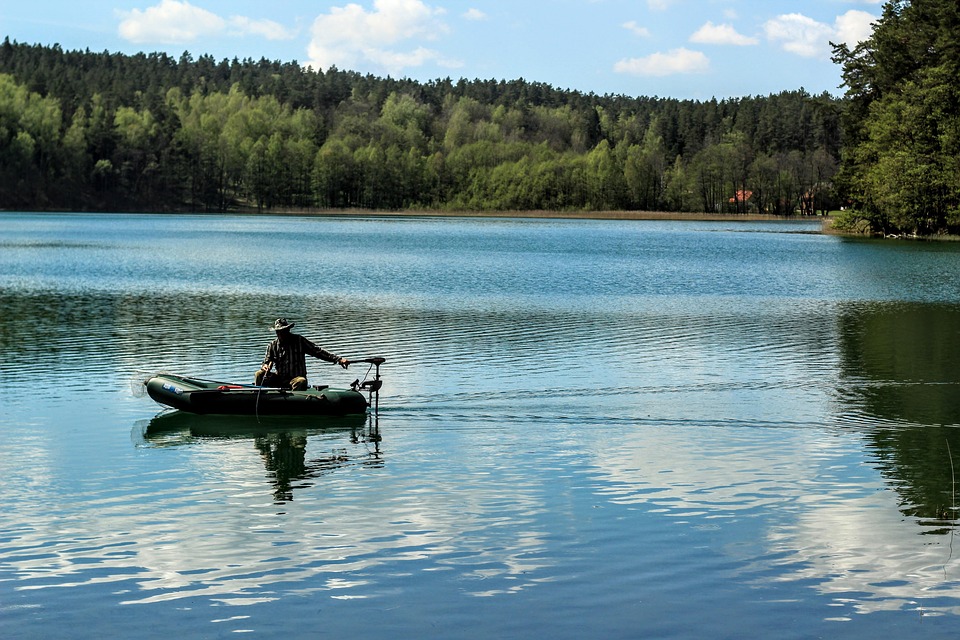
Mastering freshwater predator fishing techniques requires a blend of knowledge, skill, and an appreciation for ecological balance. Understanding the gear, techniques, and seasonal behaviors will equip you with the necessary tools to thrive on the water. Therefore, whether you are fishing from the bank or a boat, the thrill of pursuing these apex predators requires both patience and respect for nature’s intricacies. Happy fishing!
Frequently Asked Questions (FAQs)
What is the best time to fish for freshwater predators?
The best times typically are early mornings and late afternoons, as fish are more active during these periods.
Do I need a fishing license to fish for predator species?
Yes, a fishing license is required in most areas. Always check your local regulations.
How can I tell if a fish is biting?
Feel for any tugging or pecking on your line. It might also help to watch your bobber if you’re using one, as it will bob when a fish is nibbling.
What bait is most effective for predator fish?
Live bait such as minnows or worms can be effective, but lures like spinnerbaits and swimbaits are also popular and can attract attention.
Is it better to fish alone or with others?
Both have their merits. Fishing with others can provide camaraderie and shared experiences, while fishing alone allows for quiet reflection and concentration.
- advanced predator fishing
- aggressive fish fishing
- barracuda fishing
- barracuda lure fishing
- freshwater predator fishing
- large predator fishing
- muskie fishing
- muskie lure fishing
- pike fishing
- pike lure fishing
- predator angling
- predator fishing
- predator fishing baits
- predator fishing destinations
- predator fishing for beginners
- predator fishing gear
- predator fishing guides
- predator fishing lures
- predator fishing reels
- predator fishing rigs
- predator fishing rods
- predator fishing seasons
- predator fishing spots
- predator fishing tactics
- predator fishing techniques
- predator fishing tips
- predatory fish fishing
- saltwater predator fishing
- zander fishing
- zander jigging









Leave a comment