
















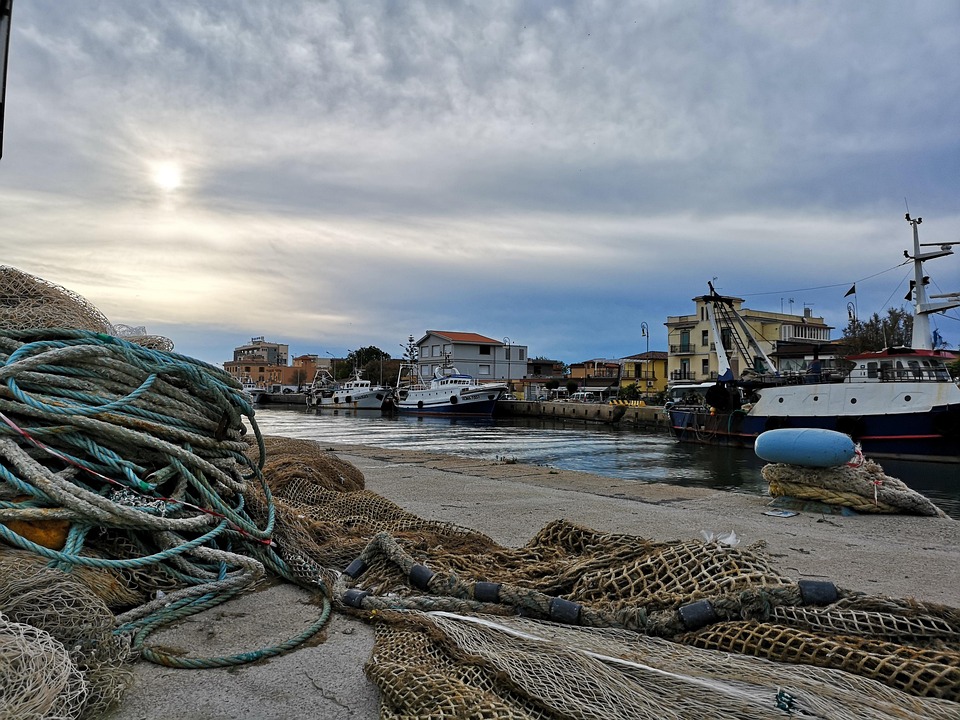
The muskie, often referred to as the “fish of 10,000 casts,” is one of North America’s most elusive game fish. With their large size and aggressive behavior, these apex predators have captivated the hearts of countless anglers. If you’re looking to land one of these majestic fish, you’ve come to the right place. In this guide, we will dive into the world of muskies, exploring their habits, preferred habitats, gear, techniques, and tips to help you get started on your muskie fishing journey.
Understanding the Muskies
Muskellunge (Esox masquinongy), often called “muskies,” are members of the pike family and can grow quite large—sometimes exceeding 50 inches in length. They’re known for their unique coloration, featuring dark vertical stripes on a light background. Habitat preferences vary, but they typically inhabit freshwater lakes and rivers, often in places with abundant vegetation, submerged structures, and rocky outcrops.
Geographic Distribution
- Primary locations include the Great Lakes region, Northern Wisconsin, Minnesota, and parts of Canada.
- Muskies are less commonly found in the southern USA, where they are often cultivated in farm ponds.
Behavior and Habits
Muskies are known for their ambush hunting techniques, often lurking near cover and striking at their prey with astonishing speed. Their diet primarily consists of smaller fish, such as perch, walleye, and even smaller muskies. Understanding their habits can significantly increase your chances of a successful catch.
Essential Gear for Muskie Fishing
Having the right gear can make all the difference when fishing for muskies. Here’s what you’ll need:
Rods and Reels
- Rod: A heavy-duty rod ranging from 7 to 10 feet long is typically recommended for muskie fishing. Look for something that can handle heavy lures.
- Reel: A high-quality baitcasting reel with a strong drag system is crucial. Choose one with a gear ratio of at least 5:1 to ensure you can quickly retrieve your line.
Fishing Line and Leaders
- Line: Use a braided line with a test weight of 65 to 100 pounds to handle the strength and size of a muskie.
- Leader: A steel or fluorocarbon leader is essential to prevent muskies from biting through your line.
Lures
- Topwater Lures: Ideal for early morning or late evening fishing.
- Spinnerbaits: Useful for covering large areas and attracting attention.
- Swimbaits and Jerkbaits: Mimic distressed prey and are effective at various depths.
Best Techniques for Catching Muskies
Here are some widely-used techniques that can elevate your muskie fishing game:
Cast and Retrieve
The most common technique involves casting lures and retrieving them at different speeds. Experimentation will teach you what works best in various conditions.
Trolling
If you prefer a more passive approach, trolling can be effective for covering vast areas of water. Use rigged lures or bait to attract a muskie.
Figure Eight Technique
When reeled in close to the boat, perform a figure-eight motion with your lure. This technique can trigger aggressive strikes from muskies hiding nearby.
Secrets to Success
While the hunt for muskies is often a challenging quest, there are some insider tips that can enhance your fishing experience:
Time of Year
Muskie activity levels fluctuate with the seasons. Early spring and late fall are typically the best times to target them, as they venture into shallower waters.
Weather Conditions
Take note of overcast days, as muskies often feed more actively during low-light conditions. Rain can also improve fishing success.
Location, Location, Location!
Focus on areas with underwater structures—submerged logs, rock piles, and vegetation can all serve as prime hunting grounds for muskies.
Safety and Regulations
Safety should always be a priority. Wear a life vest, carry a first-aid kit, and let someone know your planned route. Understanding local fishing regulations is also essential:
- Check local limits for size and bag restrictions.
- Be aware of seasonal closures to give fish populations a chance to thrive.
Conclusion
Catching a muskie is more than just a fishing trip; it’s a thrilling adventure filled with challenges and rewards. With the right gear, techniques, and a little patience, you can join the ranks of those who’ve wrangled the “fish of 10,000 casts.” Remember, every angler has a unique story, and your journey to capturing a muskie will be one of growth and learning. So gather your gear, hit the waters, and embrace the exhilarating chase—the muskie awaits!
Frequently Asked Questions (FAQs)
1. What is the best time of year to catch muskies?
Late spring and early fall are prime times as muskies are more active. Early mornings and late evenings also tend to yield better results.
2. What size lures should I use for muskies?
Lures typically range from 8 to 12 inches. However, larger lures may attract larger fish, so experimenting is key.
3. Is catch and release important for muskie fishing?
Yes! Catch and release practices are important for maintaining healthy fish populations, especially since muskies are vulnerable to overfishing.
4. Do I need a special fishing license to catch muskies?
Yes, you need a fishing license valid in the state or region you are fishing in, and often a special endorsement for targeting muskies.
5. Can I fish for muskies from the shore?
Yes, while many anglers prefer boats, fishing from the shore can also be successful, especially in locations with good access to deep waters.
- beginner bass fishing
- beginner carp fishing
- beginner catfish fishing
- beginner fishing advice
- beginner fishing baits
- beginner fishing gear
- beginner fishing guides
- beginner fishing guides online
- beginner fishing knots
- beginner fishing lures
- beginner fishing mistakes
- beginner fishing reels
- beginner fishing rods
- beginner fishing strategies
- beginner fishing techniques
- beginner fishing tips
- beginner fishing trips
- beginner fishing tutorials
- beginner fishing videos
- beginner fly fishing
- beginner freshwater fishing
- beginner muskie fishing
- beginner panfish fishing
- beginner pike fishing
- beginner saltwater fishing
- beginner trout fishing
- fishing basics
- fishing for beginners
- how to fish
- new anglers tips








Leave a comment