

















Introduction
Saltwater fishing is an exhilarating pastime enjoyed by millions. The thrill of reeling in a catch from the ocean provides a sense of adventure and relaxation that draws novice and seasoned anglers alike to the shore. Whether you are fishing from a boat or the coast, knowing the essentials can greatly enhance your experience. This guide will provide beginners with all the information necessary to get started in the salty waves.
The Basics of Saltwater Fishing
Unlike freshwater fishing, which predominantly takes place in lakes and rivers, saltwater fishing is conducted in the ocean and its estuaries. The key differences come down to the variety of fish available and the distinct techniques involved. Saltwater species tend to be larger and often require specialized gear.
Getting Started: Essential Gear and Equipment
Fishing Rod and Reel
Your first step is selecting appropriate gear. A rod and reel designed for saltwater fishing are essential. Look for:
- Reel Size: Choose a spinning reel that can hold enough line for long casts and heavy fish.
- Rod Length: A 7-8 foot rod is ideal for versatility and control.
- Durability: Ensure the materials can withstand salty conditions.
Fishing Line
Saltwater fishing demands stronger line. Monofilament and braided lines are popular choices:
- Monofilament: Easily managed but stretches under tension, making it suitable for beginners.
- Braid: Very strong and sensitive, but requires more skill to handle properly.
Hooks, Weights, and Lures
Each component plays a critical role in your fishing success. Saltwater hooks come in various styles. Choose sizes based on the targeted species:
- Circle Hooks: Prevent gut hooking and are often used in sport fishing.
- Offset Hooks: Great for larger bait.
Your weights should match your fishing style; heavier weights allow for deeper fishing. Finally, lures mimic prey. Consider:
- Topwater Lures: Ideal for species like Mackerel.
- Jigs: Versatile and effective for various fish types.
Choosing the Right Location
Selecting where to fish is crucial. Popular saltwater locations include:
- Beaches: Great for surf fishing.
- Piers: Accessible and often stocked with fish.
- Estuaries: Provide rich fishing environments where salt and freshwater mix.
Research the local laws and regulations as they can vary significantly by location. Many areas require fishing licenses, and some have specific restrictions on targeted species.
Understanding Tides and Weather
The best fishing occurs during specific tidal conditions. Tides are categorized into:
- High Tide: Fish tend to feed more actively.
- Low Tide: Fish may be less active but can be found in deeper waters.
Additionally, weather conditions affect fish behavior. Overcast days can lead to increased feeding activity, while bright, sunny conditions might push fish to deeper waters.
Techniques for Saltwater Fishing
Surf Fishing
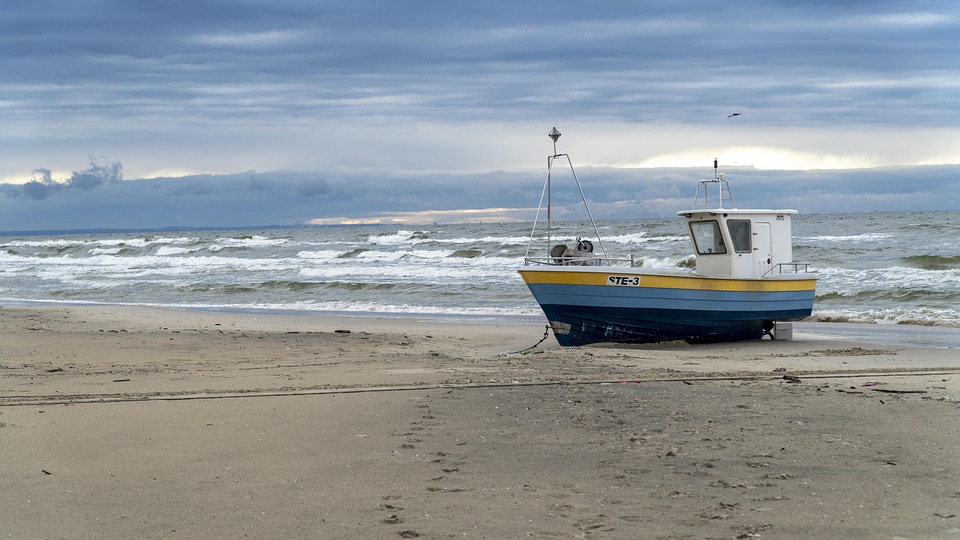
Surf fishing involves casting your line from the shore into the breaking waves. Key techniques include:
- Find a good spot where the waves crash, indicating fish presence.
- Cast your line where the waves break and retreat, as fish often feed in these areas.
Casting from a Boat
Fishing from a boat offers the chance to reach deeper waters. Popular techniques include:
- Drift Fishing: Allow your boat to drift with the current while you fish.
- Anchoring: Secure your position over a likely fishing spot and cast.
Catch and Release: Conservation Matters
As stewards of the ocean, anglers are encouraged to practice catch and release. Proper techniques ensure the survival of fish after being caught:
- Use barbless hooks when possible to minimize damage.
- Handle fish with wet hands to protect their slime coating.
Safety Considerations
Safety should always come first. Consider the following:
- Wear a life jacket, especially when on a boat.
- Learn about local wildlife, including potentially dangerous species.
- Check weather conditions before heading out.
Conclusion
Saltwater fishing is a fulfilling hobby that can connect you with nature and provide unforgettable experiences. With the right equipment, knowledge of technique, and respect for marine life, beginners can quickly find success on the salty waters.
As with any skill, practice and patience are essential. Embrace the learning curve, and soon you’ll be on your way to becoming a seasoned saltwater angler.
FAQs
What licenses are required for saltwater fishing?
Licenses vary by location, so it’s best to check your local regulations before fishing.
What is the best bait for saltwater fishing?
Live bait such as shrimp, mullet, and squid are popular choices. Artificial lures can also be effective.
How do I know when to fish?
The best fishing is often during dawn and dusk as fish are more active. Additionally, monitor tide cycles to optimize your trips.
Can I fish from the beach?
Absolutely! Surf fishing from the beach can yield exciting catches.
What should I do if I catch a fish?
Follow local regulations regarding size and bag limits. If practicing catch and release, handle the fish carefully and minimize out-of-water time.
- beginner bass fishing
- beginner carp fishing
- beginner catfish fishing
- beginner fishing advice
- beginner fishing baits
- beginner fishing gear
- beginner fishing guides
- beginner fishing guides online
- beginner fishing knots
- beginner fishing lures
- beginner fishing mistakes
- beginner fishing reels
- beginner fishing rods
- beginner fishing strategies
- beginner fishing techniques
- beginner fishing tips
- beginner fishing trips
- beginner fishing tutorials
- beginner fishing videos
- beginner fly fishing
- beginner freshwater fishing
- beginner muskie fishing
- beginner panfish fishing
- beginner pike fishing
- beginner saltwater fishing
- beginner trout fishing
- fishing basics
- fishing for beginners
- how to fish
- new anglers tips






Leave a comment