















Catfish fishing is more than just a hobby; it’s an expedition into the depths of serene waters, where patience meets strategy. The thrill of the catch lies in not just the size of the fish, but also in mastering the techniques that elevate a casual outing to an adventurous quest. This article delves into the top tactics for successful catfish fishing, offering insights into the various methods, equipment, and the psychology of fishing itself.
Understanding Catfish Behavior
Before casting your line, it’s crucial to understand the catfish’s habits, habitats, and preferences. Catfish are opportunistic feeders, thriving in various conditions across freshwater lakes, rivers, and ponds. They are most active during warm weather and tend to prefer deeper waters over shallow ones, particularly during daylight hours. Catfish are known for their excellent sense of smell and taste, which they rely upon to locate food.
- Species Awareness: Familiarize yourself with the types of catfish prevalent in your fishing area, such as the channel catfish, blue catfish, and flathead catfish. Each species has its unique behavior and preferred habitats.
- Feeding Patterns: Catfish feeding is typically nocturnal, making the evening hours prime time for fishing. Observing the water temperature and weather patterns can also enhance your fishing success, as catfish may feed heavily following warm rain showers.
- Seasonal Behavior: Different seasons affect catfish behavior significantly. Spring sees increased feeding as fish prepare for spawning, while fall is an excellent time for catching larger fish as they bulk up for winter.
Essential Equipment for Catfish Fishing
Your gear plays a pivotal role in your success as a catfish angler. Choosing the right equipment can make all the difference in your fishing experience.
Rods and Reels
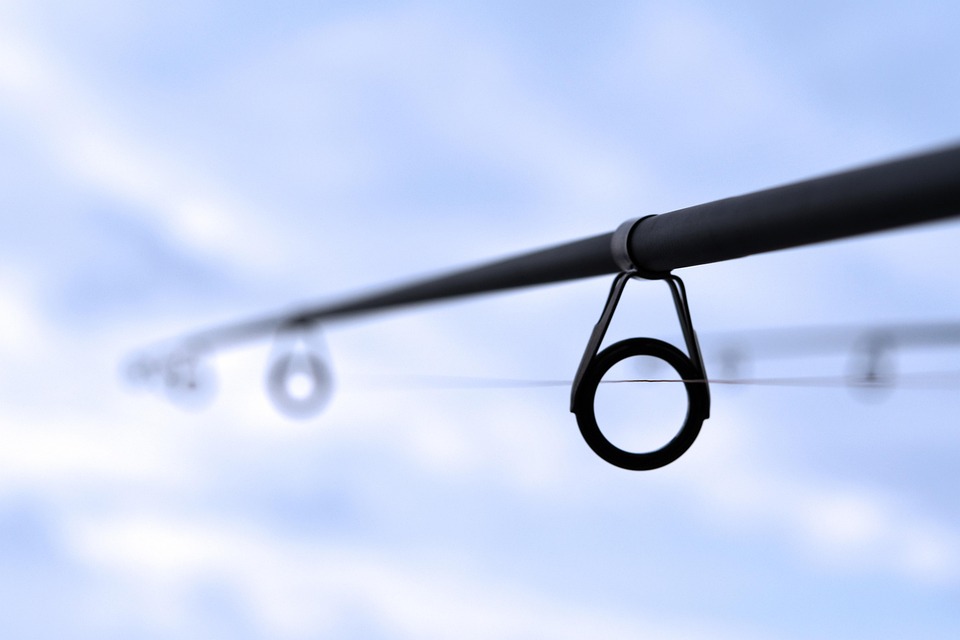
For catfish, a sturdy rod around 7-9 feet in length is ideal. A medium to heavy-action rod provides the strength needed to handle large fish. Pair it with a baitcasting or spinning reel designed for saltwater use for optimal durability and performance.
Fishing Line
Opt for a strong, quality fishing line, ideally a mono or braided line with a test strength of 20 to 50 pounds. Braided lines offer superior sensitivity and strength, while monofilament lines provide better visibility and stretch.
Hooks and Bait
Using the right hooks is crucial for hooking and landing catfish. Circle hooks in sizes 3/0 to 8/0 work best for catfish, allowing for a more secure catch. As for bait, catfish are not picky eaters; they will bite on a variety of baits, including:
- Live bait (e.g., shad, small bluegill)
- Cut bait (e.g., pieces of fish such as carp or chicken)
- Stink bait (commercially available options or homemade mixes)
Tactics for Success
Now that you have the right equipment let’s dive into effective tactics that enhance your fishing success.
Location, Location, Location
Finding the right spot is one of the most critical aspects of catfishing. Catfish often lurk near structure—rocks, fallen trees, or underwater vegetation—but also frequent deeper holes or channels in rivers.
- Seasonal Areas: In the spring, look for catfish in shallower waters, while during summer and fall, deeper waters or river bends become more productive.
- Using Electronics: Fish finders can be invaluable for locating catfish, especially in murky waters. They help identify underwater structures where catfish may hide.
Techniques to Land the Fish
Mastering the various techniques of catfish fishing can greatly increase your success rate. Here are some popular methods:
Bottom Fishing
One of the most effective methods for catfishing is bottom fishing, where you place bait on the bottom of the water body where catfish tend to forage. Use sinkers to keep your bait in place, ensuring it’s close to the bottom where catfish typically feed.
Float Fishing
Using a float or bobber can help present your bait at varying depths, which is particularly useful in waters where catfish are hanging out off the bottom. This method can also help attract bites from smaller catfish.
Trotlines and Jug Fishing
For anglers looking to capture several fish, trotlines and jug fishing offer excellent alternatives. Trotlines involve multiple hooks tied to a long line anchored at both ends, while jug fishing uses floating devices (jugs) to hold baited hooks. Both methods can yield high numbers of catches, especially in areas known for catfish concentrations.
The Importance of Patience and Mindset
Fishing often requires a philosophical approach, where patience and quiet mindfulness come into play. Maintaining a relaxed mindset while waiting for the fish to bite can significantly improve your overall enjoyment of the experience. Here are some psychological tips for staying focused and patient:
- Stay Calm: Fishing is as much about enjoying the environment as it is about catching fish. Take in the sights and sounds around you to ward off the impatience of waiting.
- Learning from Nature: Pay attention to the wildlife and environmental cues. If birds are diving into the water, it may indicate the presence of baitfish and, consequently, catfish.
- Experimentation: If you aren’t getting bites, don’t hesitate to change locations, bait, or tactics. Adaptation is key to successful fishing.
Conclusion
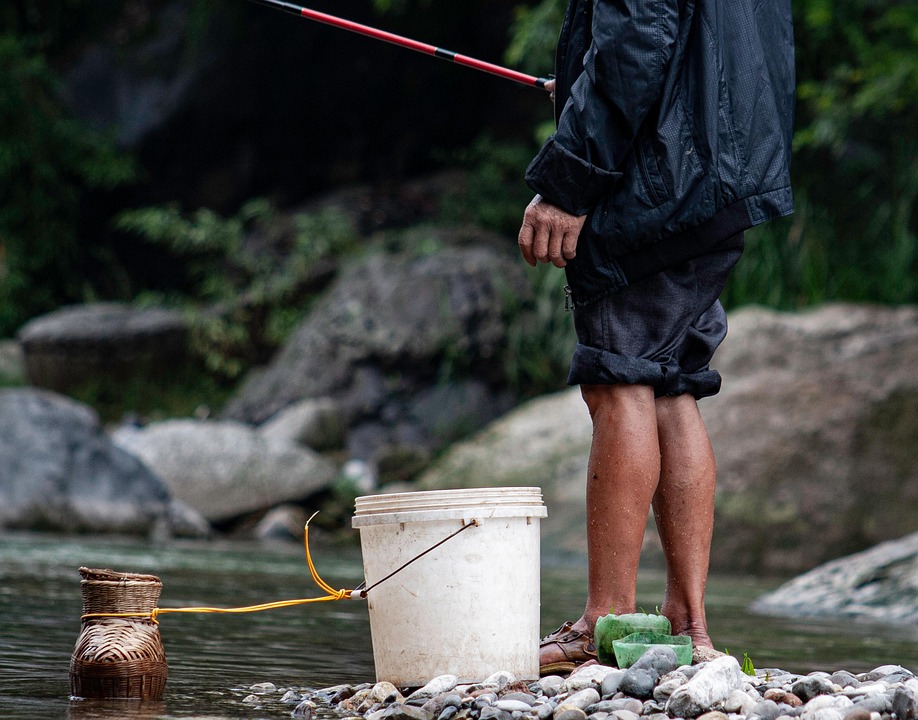
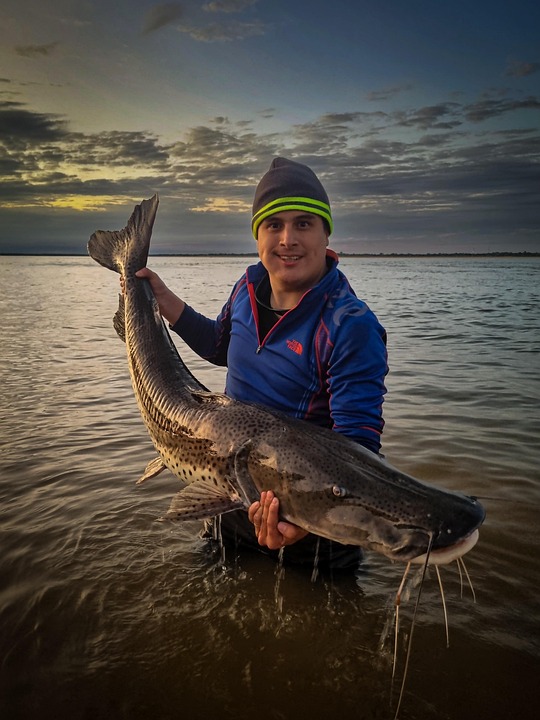
Mastering catfish fishing takes time, dedication, and a willingness to learn. From understanding catfish behavior to employing the right equipment and techniques, every facet plays a critical role in landing that trophy fish. Remember that patience is not just a virtue; it’s an essential component of successful fishing adventures. Whether you’re fishing on a borrowed boat or standing on the riverbank with a trusty rod, the quest for catfish will forever be a rewarding endeavor, offering not only the thrill of the chase but also moments of tranquility and connection with nature.
FAQs
What is the best time of day to go catfish fishing?
The best time to fish for catfish is usually during the evening and nighttime when they are most active and feeding aggressively.
What type of bait works best for catfish?
Catfish are attracted to various baits, including live bait like shad or bluegill, cut bait, and stink bait. Experimenting with different options can yield great results.
Are there specific fishing regulations for catfish?
Yes, catfish fishing is subject to specific regulations that vary by state and water body. Always check local regulations regarding size limits, bag limits, and specific fishing seasons before heading out.
Can catfish be caught during winter?
Yes, while catfish are less active in colder temperatures, they can still be caught during winter. Fish in deeper water and use slower presentations.
Is it necessary to use a fish finder for catfish fishing?
No, a fish finder is not essential but can be a helpful tool, especially in unfamiliar waters. Many successful anglers rely on their instincts and knowledge of fish behavior.
- advanced catfish fishing
- blue catfish fishing
- catfish angling
- catfish bait
- catfish fishing
- catfish fishing for beginners
- catfish fishing gear
- catfish fishing guides
- catfish fishing reels
- catfish fishing rods
- catfish fishing seasons
- catfish fishing spots
- catfish fishing tactics
- catfish fishing techniques
- catfish fishing tips
- catfish hooks
- catfish rigs
- catfish species
- channel catfish fishing
- cut bait catfish fishing
- deep water catfish fishing
- flathead catfish fishing
- lake catfish fishing
- live bait catfish fishing
- monster catfish fishing
- night catfish fishing
- river catfish fishing
- shallow water catfish fishing
- stink bait catfish fishing
- trophy catfish fishing















Leave a comment