











Fishing for predatory species, such as pike, bass, and muskie, can be an exhilarating experience that calls for the right gear and technique. The heart of your fishing setup is undoubtedly the fishing rod. Choosing the right predator fishing rod can mean the difference between a successful catch and an empty cooler. In this comprehensive guide, we’ll explore the significant factors to consider when selecting your rod, so you can master the waters and enhance your fishing adventures.
Understanding Predator Fishing
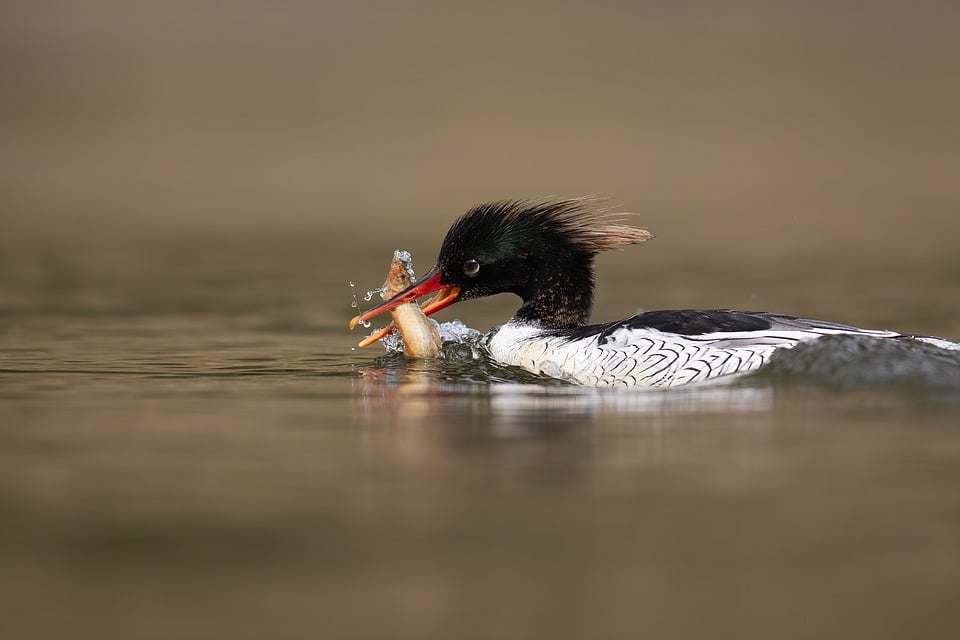
Predator fishing involves targeting fish that actively hunt and feed on other fish. These fish can be aggressive, requiring specific techniques and equipment tailored to their behaviors. Knowing the right tools can help you connect with these aquatic warriors more effectively.
Types of Predatory Fish
- Bass: Known for their fighting ability and intelligence.
- Pike: Renowned for their razor-sharp teeth and aggressive nature.
- Muskie: Often referred to as the “fish of 10,000 casts” due to their elusive nature.
- Catfish: Although not traditional predators, large species can be very challenging and fun to catch.
Key Factors to Consider When Choosing Predator Fishing Rods
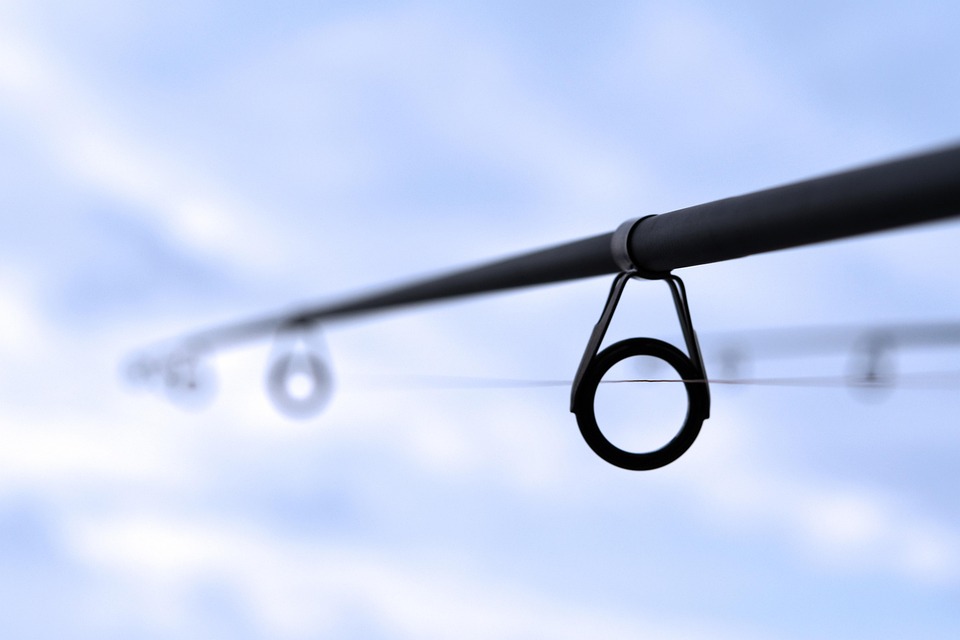
Choosing a predator fishing rod involves several considerations, from rod length to material, action, power, and more.
1. Rod Length
Rod length typically ranges from 6 to 10 feet. The choice largely depends on the type of fishing and location:
- Shorter Rods (6-7 feet): Ideal for casting in tight areas like riverbanks or dense weed beds.
- Medium Rods (7-8 feet): Versatile for both casting and trolling.
- Longer Rods (8-10 feet): Useful for distance casting and covering broader areas.
2. Rod Power
Power refers to the rod’s ability to withstand various weights. For predator fishing, your choices typically range from light to heavy:
- Light to Medium Light: Good for smaller species like panfish.
- Medium to Medium Heavy: Ideal for bass and pike, capable of handling larger lures.
- Heavy: Necessary for larger species like muskies and catfish.
3. Rod Action
Rod action describes how much of the rod bends during casting:
- Fast Action: Bends at the tip; great for quick hook sets and targeting aggressive species.
- Medium Action: Offers a balance, covering various techniques from topwater to jigging.
- Slow Action: Bends through most of the rod length; better suited for specific techniques like live bait fishing.
4. Material
The material of your fishing rod plays a significant role in its performance:
- Graphite: Lightweight and sensitive, making it ideal for feeling bites.
- Fiberglass: Less sensitive but more durable, good for beginners.
- Composite: A blend of materials that provide sensitivity and strength.
5. Reel Compatibility
Ensure that your rod matches your reel style. For instance:
- Baitcasting Reels: Often paired with heavier, fast action rods.
- Spinning Reels: Commonly matched with lighter or medium action rods.
6. Handle Length and Material
The handle is crucial for comfort and control during long fishing excursions:
- Regular Length: Suitable for most fishing styles.
- Long Handles: Beneficial for specialized techniques, like flipping or pitching lures.
Popular Brands and Models
When it comes to predator fishing rods, several brands stand out for their quality and performance. Here are some popular options:
- St. Croix: Known for their premium craftsmanship and durability. Look for their Bass X and Legend tournament series.
- Daiwa: Offers a variety of rods designed for different predatory species, including their Tatula line.
- Shimano: Renowned for reliability and technology, their baitcasting and spinning rods are top choices.
- Fenwick: A long-time player in the game, with their HMX and Eagle series offering great value.
Techniques and Tips for Successful Predator Fishing
Mastering your rod is only part of the equation. Here are some tips for more effective fishing:
- Know Your Water: Different species frequent different depths and areas. Research local hotspots.
- Use Appropriate Lures: Match your lure sizes and types to the species. For more aggressive species, consider topwater lures or jerkbaits.
- Adjust Your Technique Based on Conditions: Be flexible with your retrieve speed and rhythm, especially in varying weather.
- Practice Catch and Release: Many predator species are threatened; practicing responsible fishing ensures their survival for future generations.
Conclusion
Choosing the right predator fishing rod is vital to improving your fishing experience and increasing your chances of success. By considering the various factors—length, power, action, material, and compatibility—you can select a rod that meets your specific needs. With the right rod and techniques, you can master the waters and enjoy the thrill of landing predatory fish.
FAQs
1. What is the best length for a predator fishing rod?
The best length depends on your fishing environment. A 7-8 foot rod is versatile for various situations, while shorter rods work better in tight spots.
2. How do I know which power rating to choose?
The power you choose should correspond to the species you target. For example, use medium power for bass and medium-heavy for pike.
3. Can I use a spinning rod for predator fishing?
Yes, spinning rods are suitable for many types of predator fishing, especially when targeting lighter species or using specific techniques.
4. What type of line should I pair with my predator fishing rod?
Braided line is a popular choice for predator fishing because of its strength and sensitivity. However, fluorocarbon is also a good option for its invisibility underwater.
5. How do I maintain my fishing rod?
After each fishing trip, rinse your rod with fresh water to remove salt and dirt. Checking for damages and storing it properly enhances longevity.
- advanced predator fishing
- aggressive fish fishing
- barracuda fishing
- barracuda lure fishing
- freshwater predator fishing
- large predator fishing
- muskie fishing
- muskie lure fishing
- pike fishing
- pike lure fishing
- predator angling
- predator fishing
- predator fishing baits
- predator fishing destinations
- predator fishing for beginners
- predator fishing gear
- predator fishing guides
- predator fishing lures
- predator fishing reels
- predator fishing rigs
- predator fishing rods
- predator fishing seasons
- predator fishing spots
- predator fishing tactics
- predator fishing techniques
- predator fishing tips
- predatory fish fishing
- saltwater predator fishing
- zander fishing
- zander jigging












Leave a comment