












Fishing is not just a pastime; it is an intricate dance with nature—particularly when targeting predator fish. These fierce fighters are as cunning as they are powerful, making the hunt far from straightforward. From understanding their behavior patterns to employing the latest in fishing technology, mastering the art of catching predator fish demands skill, strategy, and a keen understanding of aquatic ecosystems. This extensive guide delves into proven tactics that will gear you up for a successful fishing adventure.
The Nature of Predator Fish
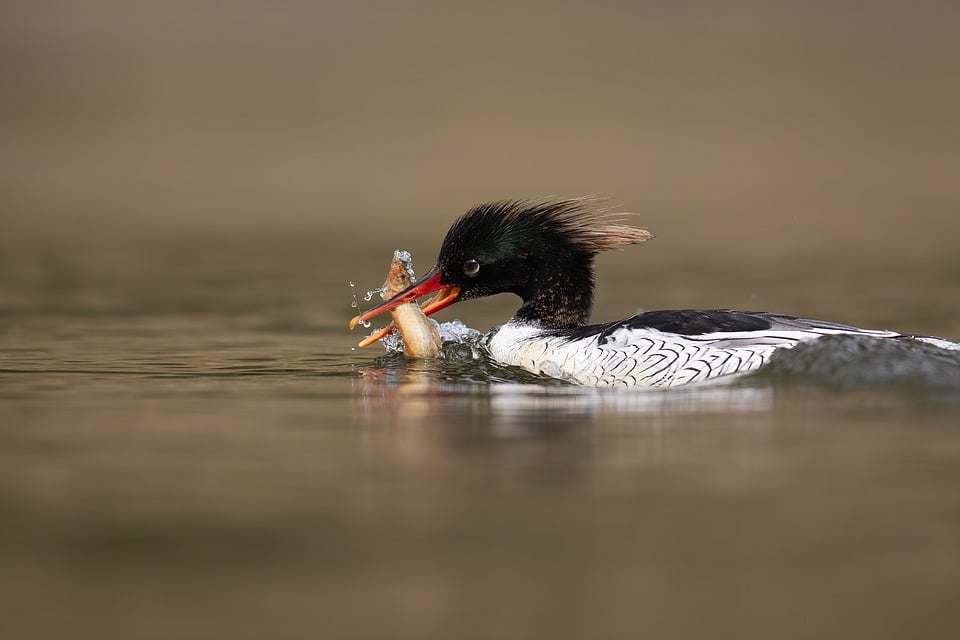
To effectively target predator fish such as bass, pike, walleye, and catfish, it’s essential first to grasp what defines these species. Predator fish are characterized by their hunt for smaller fish and other creatures, which serve as their primary food source. With keen eyesight, acute senses, and speedy abilities, they are formidable opponents for anglers.
Understanding Behavior Patterns
Fish behavior varies based on factors like water temperature, time of day, and seasonal changes. Predator fish tend to be more active during dawn and dusk when prey is abundant. Additionally, temperature influences feeding; warmer waters typically increase metabolism and hunting activity. Understanding these patterns allows anglers to target them more effectively.
Essential Gear for Targeting Predator Fish
Having the right equipment can make all the difference. Here’s what you’ll need:
Rods and Reels
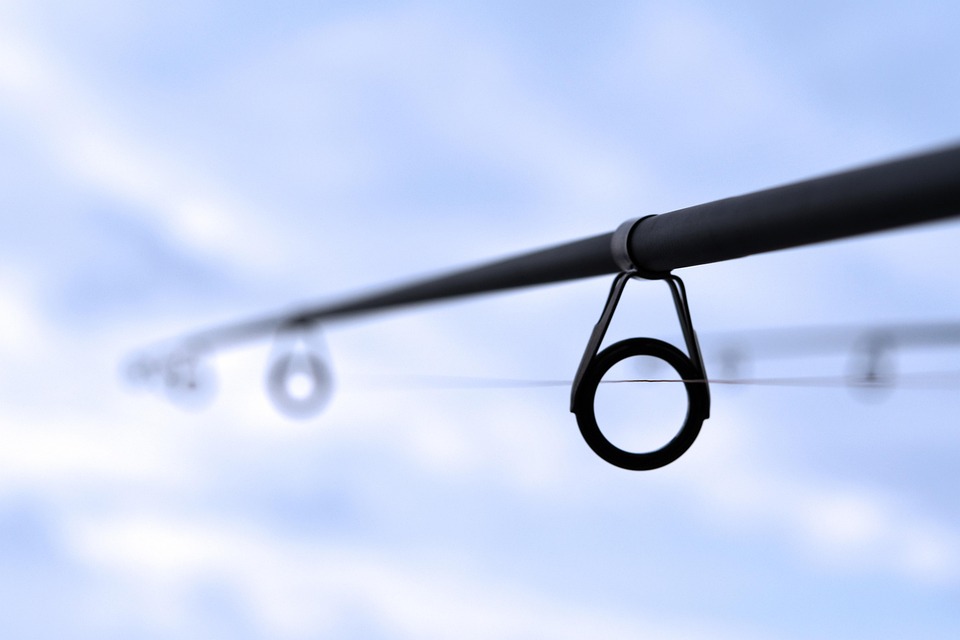
Selecting the appropriate rod and reel is crucial. A medium to heavy rod is ideal for handling larger predator fish, while a sturdy, high-speed reel can help reel them in efficiently. Look for gear that provides a good balance between sensitivity for detecting bites and the power to manage hefty catches.
Baits and Lures
Using the right bait is equally important. Live bait, like minnows, often works best, but innovative anglers know that artificial lures can also entice predator fish. Spinnerbaits, crankbaits, and jigs mimic the movements of prey, catching the attention of these fierce hunters. Color combinations that stand out in murky water can also make a significant difference.
Location, Location, Location
Finding the right spot is key to successful predator fishing. Here are some vital locations to consider:
Structures and Cover
Predator fish often inhabit areas with natural structure—such as submerged logs, rock piles, and aquatic vegetation—that provide them with hiding places to ambush prey. Cast around these structures for optimal results.
Depth Changes
Changes in depth can create feeding zones. Predator fish often hang around drop-offs where they can exploit currents to catch smaller fish. Understanding contour maps can help you identify these areas before you even cast your line.
Techniques for Successful Fishing
Now that you have equipped yourself with knowledge about the fish, gear, and location, let’s discuss some proven techniques to maximize your fishing experience:
Slow Rolling
One effective technique is slow rolling a spinnerbait. This method involves reeling in at a low speed which allows the bait to stay near the bottom and resemble wounded fish, attracting predators looking for an easy meal.
Topwater Action
On calm mornings or evenings, topwater lures can create a thrilling fishing experience. The explosive strikes of predator fish as they breach the surface can be exhilarating. It’s crucial, however, to keep the lure moving to entice a bite.
Jigging
Jigging can be an outstanding method, especially in deeper waters. This involves lifting and dropping the bait sharply to mimic injured prey. Adjust your speed and detouring path until you find what works for the specific species you’re targeting.
Fishing Etiquette and Conservation
While pursuing predator fish can be thrilling, anglers must also respect the environment and practice sustainable fishing. Follow local regulations by adhering to size and bag limits, and be sure to release unwanted catches responsibly. Responsible fishing helps to preserve fish populations and aquatic ecosystems for future generations.
Conclusion
Mastering the hunt for predator fish is a rewarding endeavor that melds patience, strategy, and environmental awareness. With the right gear, a solid understanding of predator fish behavior, and careful attention to your surroundings, you can significantly improve your chances of landing that trophy catch. Fishing is not merely about the catch; it is also about connecting with nature and honing your skills as an angler. The thrill of the chase, the peacefulness of the water, and the joy of sharing your experiences with fellow enthusiasts make every fishing trip memorable.
FAQs
1. What time of day is best for fishing predator fish?
Generally, dawn and dusk are optimal times, as predator fish are most active during these periods.
2. What is the best bait for catching bass?
Live bait such as minnows is effective, but bass also respond well to spinnerbaits and crankbaits.
3. Should I fish in shallow or deep water for predator fish?
This often depends on the time of year and the specific species you are targeting. Generally, predator fish will move between shallow and deep waters based on the season and temperature.
4. Is catch-and-release fishing recommended?
Yes, catch-and-release is encouraged, particularly for species that may be threatened or have specific regulations in place.
5. What gear should I invest in for predator fishing?
Invest in a medium to heavy rod, a high-speed reel, and a selection of both live and artificial baits tailored for the type of predator fish you want to catch.
- advanced predator fishing
- aggressive fish fishing
- barracuda fishing
- barracuda lure fishing
- freshwater predator fishing
- large predator fishing
- muskie fishing
- muskie lure fishing
- pike fishing
- pike lure fishing
- predator angling
- predator fishing
- predator fishing baits
- predator fishing destinations
- predator fishing for beginners
- predator fishing gear
- predator fishing guides
- predator fishing lures
- predator fishing reels
- predator fishing rigs
- predator fishing rods
- predator fishing seasons
- predator fishing spots
- predator fishing tactics
- predator fishing techniques
- predator fishing tips
- predatory fish fishing
- saltwater predator fishing
- zander fishing
- zander jigging







Leave a comment