


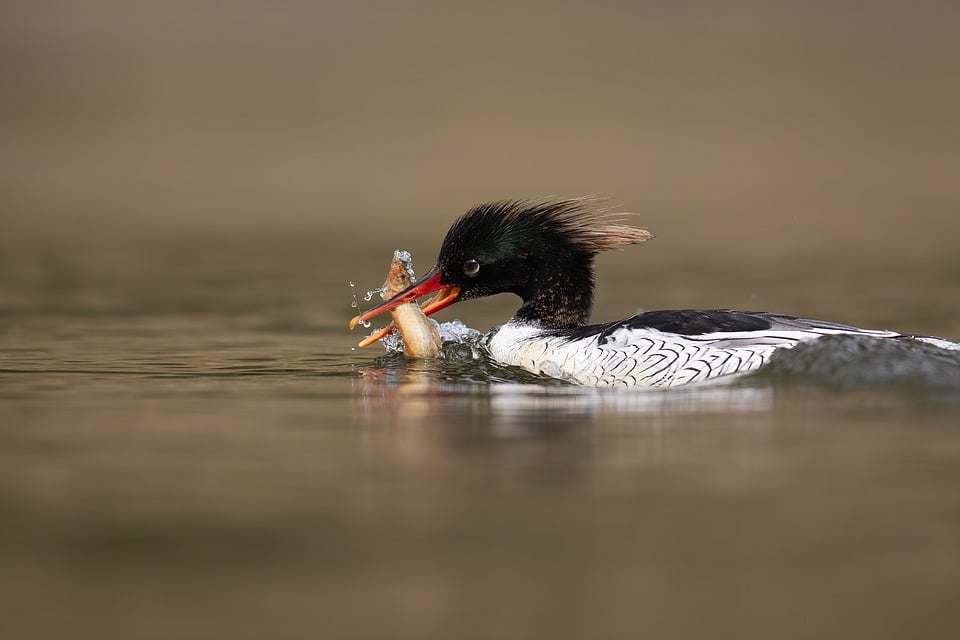


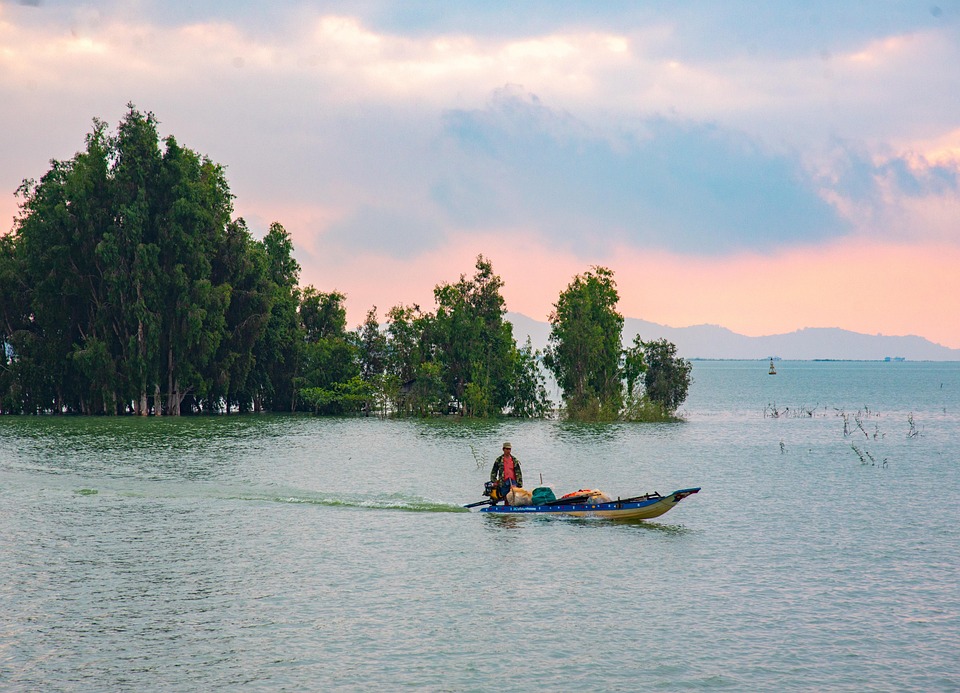
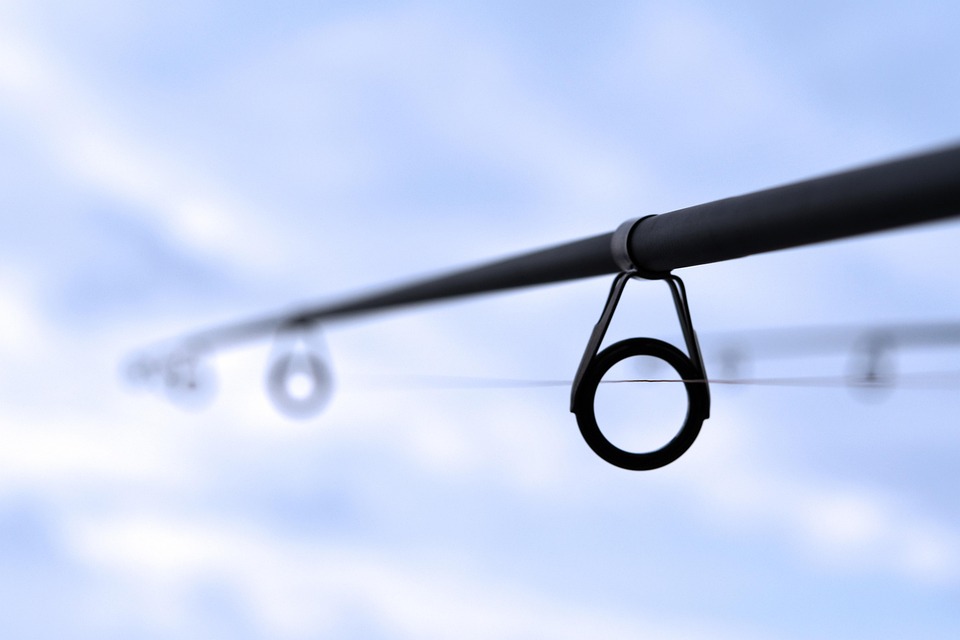









Fishing has long been a beloved pastime for millions around the globe, but among its diverse forms, few pursuits spark as much excitement and adrenaline as predatory fish fishing. Whether casting a line for the mighty shark in the open sea or enticing a ferocious northern pike lurking in serene freshwater lakes, angling enthusiasts are drawn to these thrilling experiences. This article dives deep into the fascinating world of predatory fish fishing, exploring the types of predatory fish, techniques used to catch them, the ecological implications, and the community that thrives around this thrilling sport.
The World of Predatory Fish
Predatory fish are those that primarily feed on other fish or aquatic animals. Some of the most sought-after species among anglers include:
- Sharks: Species like the great white, tiger, and hammerhead are famous for their size and power, drawing experienced sea anglers to target them.
- Pike: With sharp teeth and an aggressive feeding behavior, northern pike are a freshwater favorite among anglers.
- Musky: Often dubbed the “fish of 10,000 casts,” muskellunge offers a unique challenge with its elusive nature.
- Bass: Largemouth and smallmouth bass are popular targets that combine both sport and strategy, making them favorites in tournaments.
- Tuna: Bluefin and yellowfin tuna are at the top of many anglers’ lists due to their size and the challenge they pose.
The Techniques: A Game of Strategy
Catching predatory fish requires skill and knowledge, and various techniques have evolved to maximize success. Here are some of the most popular methods employed by anglers:
1. Casting and Trolling
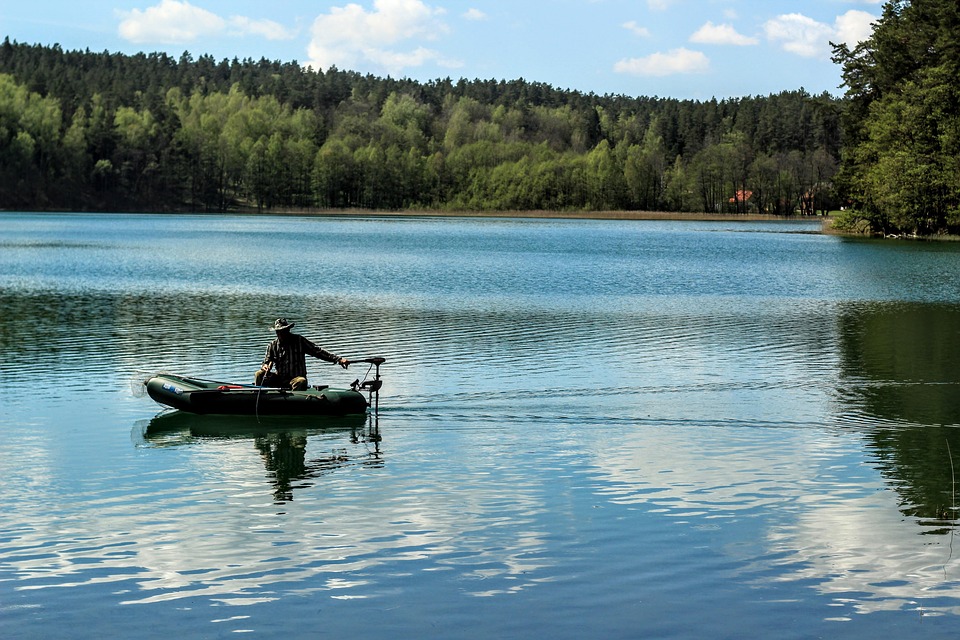
Casting involves throwing a lure or bait into the desired area, while trolling entails slowly moving a boat with baited lines in the water. Both techniques can be effective for species like pike and bass, especially when targeting specific structures such as submerged trees or weed beds.
2. Fly Fishing
The art of fly fishing can also be applied to predatory fish, particularly when targeting species such as bass or trout. Anglers often use top-water flies to imitate the movements of smaller prey, enticing strikes from larger fish.
3. Bottom Fishing
For species like sharks and grouper, bottom fishing is a popular method. Anglers drop weighted lines to the ocean floor, using strong bait to attract larger predators that lurk below.
4. Using Lures vs. Bait
Deciding between lures and natural bait can impact success. Lures are often favored for their ability to mimic prey, while live or dead bait tends to yield better results in specific circumstances, especially when targeting larger species.
The Thrill of the Chase
The true excitement of predatory fish fishing lies in the chase. Many anglers describe the adrenaline rush when a large fish strikes, the battle that follows, and the sense of accomplishment when landing a trophy catch. These moments often become lifelong memories, and they foster a deep connection between the angler and nature.
Conservation and ethical fishing practices have become increasingly important in recent years, as the thrill of the hunt must be balanced with the responsibility of preserving fish populations and ecosystems. Many organizations work diligently to promote sustainable practices and educate anglers about responsible fishing.
The Community and Culture of Angling
Fishing has a rich cultural significance in many societies. Communities of anglers often gather, sharing techniques, locations, and stories, fostering a sense of camaraderie. Tournaments and competitions provide opportunities for both amateur and professional anglers to showcase their skills while celebrating the sport.
Events and Tournaments
Throughout the year, various fishing tournaments block off weekends for passionate enthusiasts. Events like the Bassmaster Classic or the IGFA World Record Tournament attract participants and spectators alike, creating a vibrant atmosphere around the sport. These gatherings not only highlight individual prowess but promote community support and conservation awareness.
Education and Advocacy
Organizations like the Recreational Boating & Fishing Foundation (RBFF) work ardently to introduce more individuals to fishing. Their efforts include educational programs, youth fishing camps, and resources for family fishing. They foster a new generation of anglers educated about ethical practices while ensuring the sport continues to thrive.
Ecological Implications
While predatory fish fishing is thrilling, it comes with responsibilities. Overfishing and habitat destruction have significantly impacted fish populations. It’s vital for anglers to adhere to local regulations, practice catch and release, and support conservation efforts aimed at sustaining aquatic ecosystems. This not only ensures the survival of predatory fish species but enhances the overall health of our waterways, benefiting both wildlife and future generations of anglers.
The Future of Predatory Fish Fishing
As climate change and pollution continue to affect our aquatic ecosystems, the future of predatory fish fishing hinges on collective action and responsible practices. The community of anglers is at the forefront of advocating for sustainable fishing and conservation techniques, which are essential for keeping the thrill of the hunt alive. Innovations, such as advancements in fishing gear and the deployment of conservation-focused technology, are steering the future toward welcoming new generations into this exhilarating sport.
Conclusion
The world of predatory fish fishing is a realm filled with excitement, challenge, and camaraderie. It invites individuals to experience nature’s beauty while participating in a long-standing tradition. As we continue to explore our waterways and the predators within them, it is imperative to prioritize sustainable fishing practices and conservation efforts. By doing so, we can ensure that the thrill of the hunt remains accessible for generations to come, allowing future anglers to share in the adventures that have captivated so many before them.
Frequently Asked Questions (FAQs)
What is the best time of year to fish for predatory fish?
The best time varies by species, but generally, spring and fall are ideal for many predatory species, as they are actively feeding during these seasons, preparing for spawning and winter.
Do I need a fishing license to catch predatory fish?
Yes, in most jurisdictions, a fishing license is required. Always check local regulations to ensure compliance with fishing laws concerning species, sizes, and quotas.
What are some effective lures for predatory fish?
Some effective lures include spinnerbaits, crankbaits, and top water lures for species like bass and pike. For saltwater fish like tuna and sharks, large jigs or trolling lures work well.
How can I practice catch and release effectively?
To practice catch and release, use barbless hooks, handle fish carefully, minimize air exposure, and keep them in water as much as possible. Follow local guidelines for specific species to ensure their survival post-release.
Are there safety precautions I should take while fishing for large predatory fish?
Yes, always wear a life jacket, be aware of your surroundings, and understand the species you’re targeting. Large fish can be dangerous, so use proper gear and techniques to handle them safely.
- advanced predator fishing
- aggressive fish fishing
- barracuda fishing
- barracuda lure fishing
- freshwater predator fishing
- large predator fishing
- muskie fishing
- muskie lure fishing
- pike fishing
- pike lure fishing
- predator angling
- predator fishing
- predator fishing baits
- predator fishing destinations
- predator fishing for beginners
- predator fishing gear
- predator fishing guides
- predator fishing lures
- predator fishing reels
- predator fishing rigs
- predator fishing rods
- predator fishing seasons
- predator fishing spots
- predator fishing tactics
- predator fishing techniques
- predator fishing tips
- predatory fish fishing
- saltwater predator fishing
- zander fishing
- zander jigging
















Leave a comment