











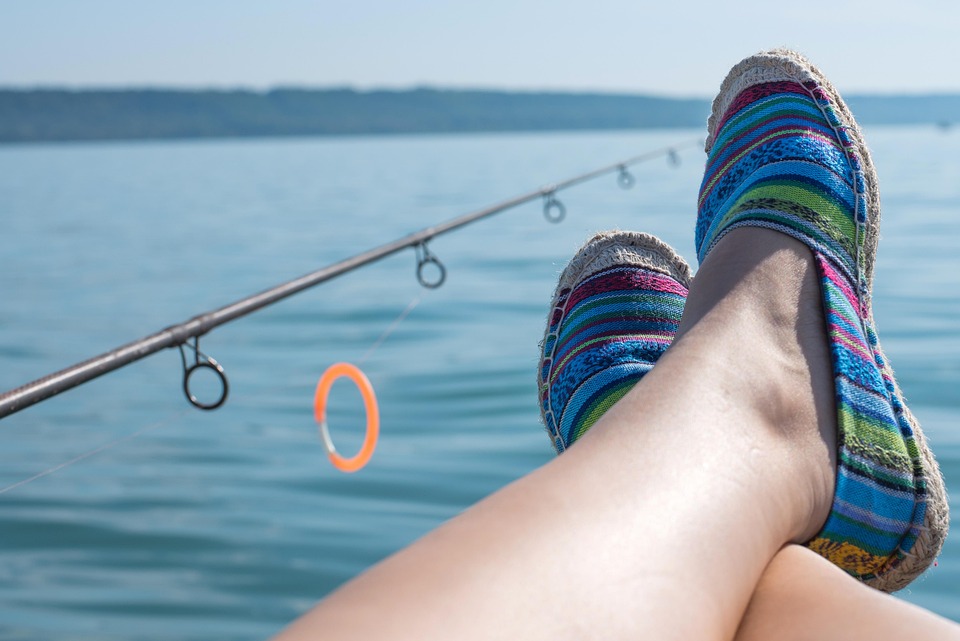


Catfish fishing has become a beloved pastime for anglers across the United States. With over 20 species of catfish inhabiting various waters, catching these bottom-dwelling fish can be both challenging and rewarding. Whether you’re fishing in a local pond, a river, or a large lake, the right gear can make all the difference. In this article, we’ll explore the essential catfish fishing gear designed for every angler, whether you are a novice or a seasoned pro.
The Rod: Your First Line of Defense
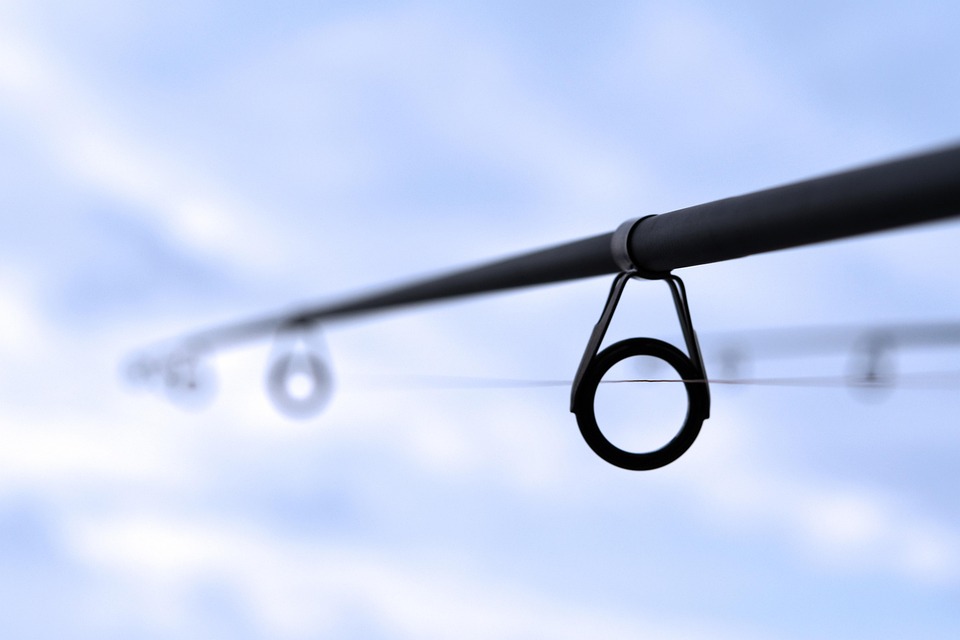
The foundation of any fishing setup, the rod is crucial for feeling bites, casting lures, and controlling your catch. When it comes to catfish fishing, look for a rod that is both strong and flexible.
Types of Rods
- Spinning Rods: Great for beginners. These rods allow for easy casting and controlling baits.
- Baitcasting Rods: Offer more power and better accuracy. These are preferred by seasoned anglers targeting larger catfish.
- Surf Rods: Ideal for shore fishing, capable of casting long distances to reach deep waters.
Choose rods rated for at least medium to heavy action, with lengths ranging from 7 to 10 feet, which provide better leverage when fighting larger catfish.
The Reel: The Heart of Your Setup
Your reel is just as critical as your rod. It should be sturdy, reliable, and easy to operate. Here, we will look at the two main types of reels used in catfish fishing.
Types of Reels
- Spinning Reels: These are user-friendly and versatile, making them suitable for various techniques like drifting and bottom fishing.
- Baitcasting Reels: More complex but preferred for serious catfish anglers. They provide better casting distances and control, particularly when targeting larger species.
Both types of reels should have a reliable drag system to manage strong pulls from large catfish and should be rated to hold significant line capacity.
The Line: Choose Wisely
Choosing the right fishing line is essential for success. Catfish are known for their power, and using the right line will help combat their strength.
Types of Fishing Lines
- Monofilament: Easy to handle and knot, this line has some stretch, making it forgiving for inexperienced anglers.
- Braid: Known for its strength and sensitivity, braid has little stretch, allowing for better hook-setting capabilities.
- Fluorocarbon: Nearly invisible underwater, it offers low stretch and high sensitivity, ideal for bottom-feeding catfish.
Opt for a line with a test strength between 20 to 50 pounds, providing you with the robustness you need for larger fish.
Hooks: The Critical Connection
The hook is perhaps the most overlooked component of a fishing setup. For catfish, the style and size of the hook can significantly affect your catch rate.
Types of Hooks
- Cirlce Hooks: Designed to hook the fish in the corner of the mouth, reducing injury and increasing survival rates.
- J Hooks: These are versatile but require more technique for successful hooking.
- Treble Hooks: Great for holding bait securely but are less common for catfishing.
Hook sizes generally range from 1/0 to 8/0, depending on the size of the bait and target catfish species.
Bait: What’s on the Menu?
The bait you choose plays a significant role in attracting catfish. Different species and different locations can dictate the best bait to use.
Types of Bait
- Live Bait: Options like minnows, shad, or worms are particularly effective for enticing catfish.
- Cut Bait: Slices of fish like shad or bluegill work well, especially for larger catfish.
- Stinky Bait: Prepared baits with scents, cured cheese, or blood are popular for attracting catfish.
Experimenting with different baits depending on the time of year and water conditions can be a game changer.
Additional Gear for Comfort and Success
While the essentials are critical, accessories can enhance your catfishing experience. Consider the following:
- Fishing Tackle Box: A durable tackle box will keep your gear organized and easily accessible.
- Fish Finder: Using technology can help you locate catfish more easily and ensure you’re fishing in the right spots.
- Comfort Gear: Polarized sunglasses, sun protection gear, and a comfortable chair are underrated yet essential for long fishing sessions.
Conclusion
Catching catfish can be an immensely enjoyable and fulfilling experience. Having the right equipment can significantly impact your fishing success. As you gear up for your next fishing adventure, consider your individual needs and preferences, what species you are targeting, and where you will be fishing. Whether you opt for a spinning reel or a baitcasting setup, remember that using quality gear tailored for catfishing can help you reel in the big ones and create unforgettable memories on the water.
FAQs
1. What is the best time to catch catfish?
Catfish are most active during warmer months (spring and summer), particularly at night or during overcast days. Early mornings and late evenings are prime times for fishing.
2. What size rod should I use for catfishing?
A rod length between 7 and 10 feet with a medium to heavy action is recommended, as it gives you better leverage for battling larger catfish.
3. Do I need a special fishing license for catfishing?
Yes, fishing regulations vary by state, and you may need a fishing license specific to the water body where you are fishing. Always check local regulations before heading out.
4. Can I catch catfish during winter?
Yes, catfish can be caught during winter, but they are less active. Fishing in deeper waters and using slow-moving baits can increase your chances.
- advanced catfish fishing
- blue catfish fishing
- catfish angling
- catfish bait
- catfish fishing
- catfish fishing for beginners
- catfish fishing gear
- catfish fishing guides
- catfish fishing reels
- catfish fishing rods
- catfish fishing seasons
- catfish fishing spots
- catfish fishing tactics
- catfish fishing techniques
- catfish fishing tips
- catfish hooks
- catfish rigs
- catfish species
- channel catfish fishing
- cut bait catfish fishing
- deep water catfish fishing
- flathead catfish fishing
- lake catfish fishing
- live bait catfish fishing
- monster catfish fishing
- night catfish fishing
- river catfish fishing
- shallow water catfish fishing
- stink bait catfish fishing
- trophy catfish fishing










Leave a comment