







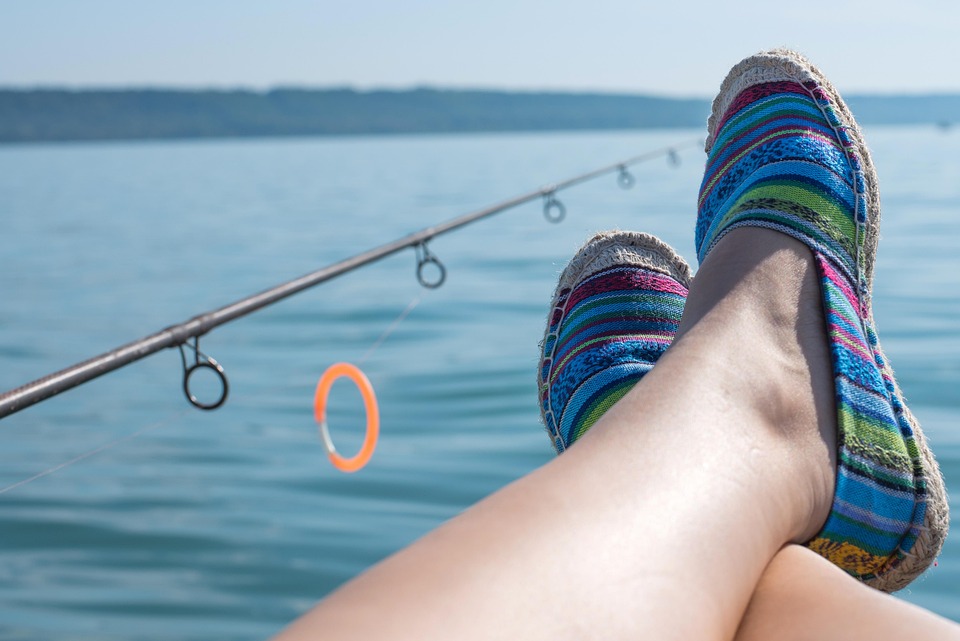


Fishing is not just an activity; it’s a way to connect with nature, unwind, and perhaps even find some dinner. If you’re a beginner, the array of fishing gear, techniques, and spots can feel overwhelming. But fear not! This guide is crafted to help you successfully reel in your first catch, packed with practical tips, insights, and advice. Whether you’re heading out to your local lake or venturing into the deep sea, this guide will set you on the right path.
Understanding Fishing Basics
Before you cast your line, it’s essential to understand the basics of fishing. At its core, fishing is about enticing fish to bite using bait or lures. The fundamental types of fishing include:
- Freshwater Fishing: This type occurs in rivers, lakes, or ponds and targets species like bass, trout, and catfish.
- Saltwater Fishing: Conducted in oceans or seas, this targets larger fish such as tuna, marlin, and snapper.
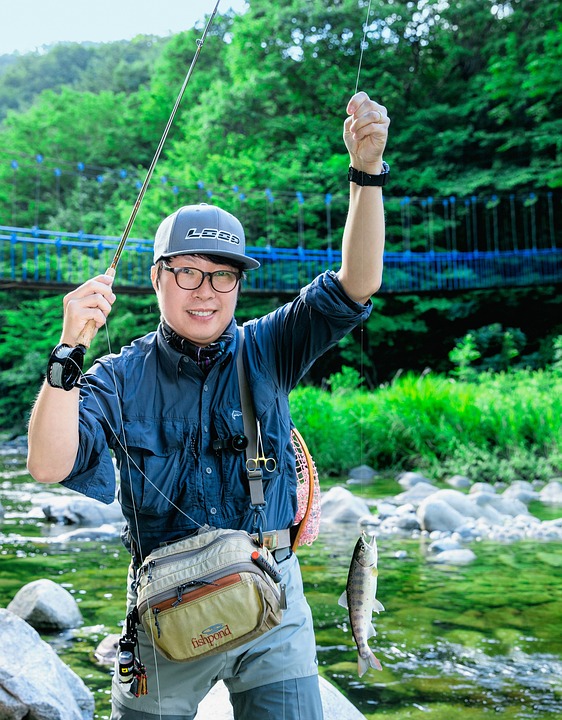
- Fly Fishing: A specialized technique that uses lightweight lures, known as flies, to catch fish, primarily in freshwater.
Essential Gear for Beginners
Your success on the water starts with having the right gear. Here’s a list of essential items for a beginner angler:
1. Fishing Rod and Reel
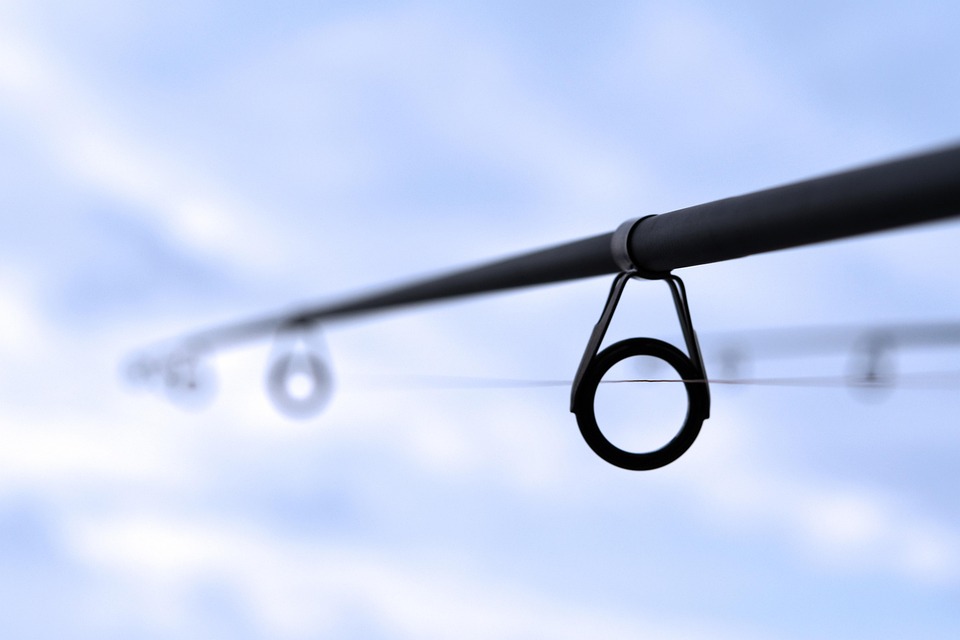
Choosing the right rod and reel combination is crucial. For beginners, a spinning rod and reel are generally the easiest to use. Aim for a medium-action rod that is flexible yet strong enough to handle different fish sizes.
2. Fishing Line
Select a fishing line that suits your target species. Monofilament lines are user-friendly and versatile, making them a great choice for beginners. Consider a 6-10 lb line for freshwater fishing.
3. Bait and Lures
Live bait, such as worms or minnows, can be very effective for beginners. If you’re interested in using lures, start with a few versatile options like spinners, jigs, or spoons.
4. Hooks and Weights
Choosing the right hook size is essential. A size 6 to 10 hook is a good starting point. Split-shot weights can help you sink your line to the desired depth.
5. Tackle Box
A tackle box will help you keep your gear organized. You might also want to include nail clippers, pliers, and a first-aid kit for safety.
Learning Fishing Techniques
Once you have your gear ready, it’s time to learn some fundamental fishing techniques:
1. Casting
Perfecting your casting technique is key. Hold the rod with one hand and press the reel’s button with the other. Pull the rod back, then swiftly move it forward, releasing the button at the peak of your forward motion to send your bait out.
2. Baiting the Hook
When using live bait, thread the worm onto the hook, ensuring it stays on during the cast. For lures, attach them to the line using a snap swivel for easy changes.
3. Setting the Hook
Watch for subtle bites; when you feel a tug, quickly jerk the rod upward to set the hook into the fish’s mouth.
Choosing the Right Fishing Spot
A critical element for successful fishing is selecting the right location. Consider the following tips:
1. Research Local Water Bodies
Find local lakes, rivers, or streams that have good fish populations. Local fishing reports can provide insights into what species to expect and when.
2. Time of Day
Fish are more active during early morning or late evening. Try to plan your trips around these peak times for better chances of success.
3. Weather Conditions
Weather can greatly influence fish behavior. Overcast days can lead to more active fish, while sunny days might make them more lethargic.
Practicing Patience
Fishing is often about patience and perseverance. Not every trip will yield a catch, and some days may be more productive than others. Embrace the experience, enjoy the tranquility of nature, and take the time to learn from each outing.
The Importance of Conservation
Being responsible while fishing is essential for preserving nature’s resources. Follow these conservation practices:
- Catch and Release: If you’re not planning to eat your catch, practice catch and release to help maintain fish populations.
- Follow Local Regulations: Familiarize yourself with local fishing laws, including size limits and fishing seasons.
- Avoid Pollution: Pick up after yourself and avoid littering on the shorelines to maintain a clean environment.
Conclusion
As you prepare for your first fishing trip, remember that the journey is just as important as the destination. Fishing can provide a sense of adventure and relaxation, allowing you to unwind and connect with nature. By understanding the basics, gearing up, and practicing patience, you’ll increase your chances of reeling in your first catch. With each trip, you’ll gain new skills, learn more about the environment, and perhaps even make lasting memories. So grab your gear, pick a good spot, and enjoy the thrill of the catch!
Frequently Asked Questions (FAQs)
1. Do I need a fishing license?
Yes, most regions require a fishing license. Check your local regulations for specific requirements.
2. What’s the best time of year to fish?
The best time to fish often depends on the species. Generally, spring and fall are productive seasons for many freshwater fish.
3. How do I know if I caught a fish?
You’ll feel a tug on your line, and the rod may bend. Pay attention to any movements or shakes.
4. What do I do if I catch a fish?
Reel it in carefully while maintaining tension on the line. Once you land it, decide whether to keep or release it.
5. Can I fish from shore?
Absolutely! Many successful anglers fish from shore, especially in lakes and rivers with accessible bank areas.
- beginner bass fishing
- beginner carp fishing
- beginner catfish fishing
- beginner fishing advice
- beginner fishing baits
- beginner fishing gear
- beginner fishing guides
- beginner fishing guides online
- beginner fishing knots
- beginner fishing lures
- beginner fishing mistakes
- beginner fishing reels
- beginner fishing rods
- beginner fishing strategies
- beginner fishing techniques
- beginner fishing tips
- beginner fishing trips
- beginner fishing tutorials
- beginner fishing videos
- beginner fly fishing
- beginner freshwater fishing
- beginner muskie fishing
- beginner panfish fishing
- beginner pike fishing
- beginner saltwater fishing
- beginner trout fishing
- fishing basics
- fishing for beginners
- how to fish
- new anglers tips








Leave a comment