














Fishing is an age-old pastime that evokes both thrill and tranquility, especially when it comes to catfishing. With their formidable size and tenacity, catfish present an exciting challenge, making them a favorite among anglers. If you’re a beginner looking to cast your line, this article is tailored for you. Here, we’ll delve into the essentials of catfishing, from understanding types of catfish to choosing the right gear and techniques.
Understanding Catfish
Catfish are unique due to their lack of scales, whisker-like barbels, and their ability to thrive in various freshwater environments. There are several species to be aware of:
- Channel Catfish: Commonly found in rivers and lakes; identifiable by their forked tail and deeply forked tail. They can weigh up to 50 lbs.
- Flathead Catfish: Recognizable by their flattened heads; these are known for their aggressive feeding habits. They prefer deeper waters and can reach weights over 100 lbs.
- Blue Catfish: Known for their bluish hue, they are the largest North American catfish species, often exceeding 100 lbs. They inhabit rivers and reservoirs.
Essential Gear for Catfishing
Your success as a beginner catfish angler largely depends on the equipment you choose. Here’s a rundown of essential gear:
Rod and Reel
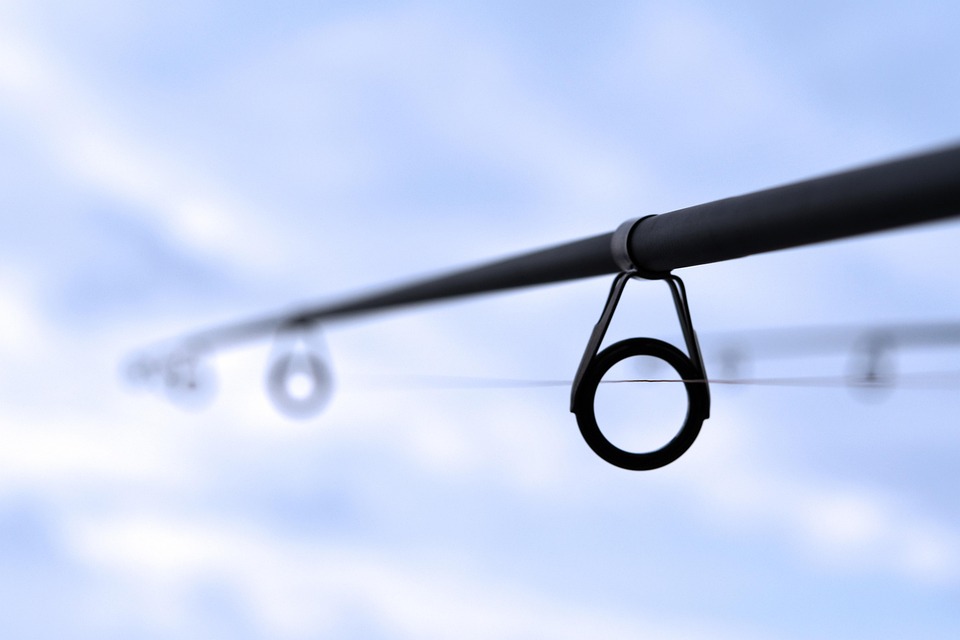
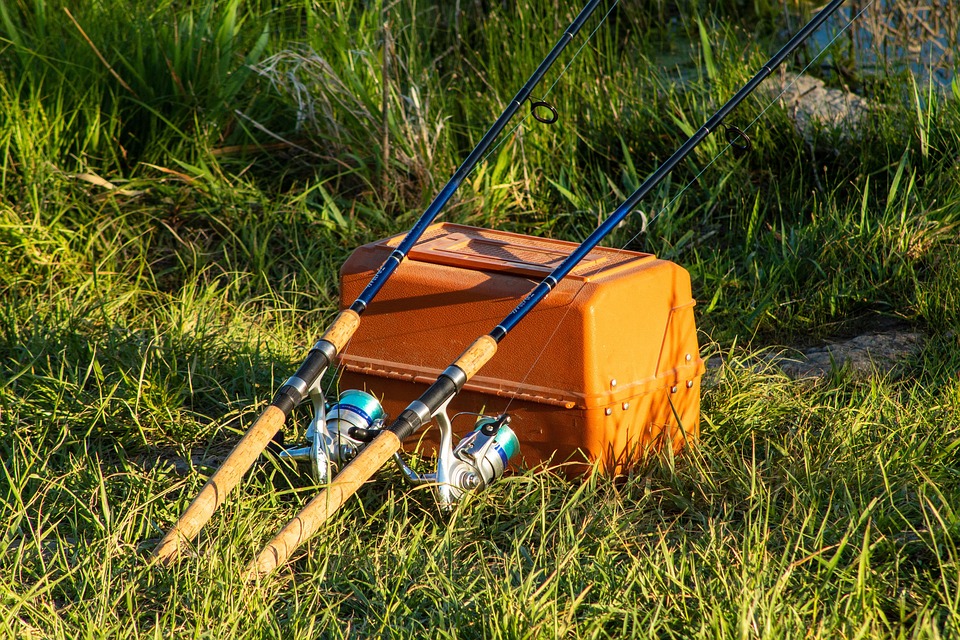
For beginners, a medium to heavy-action rod paired with a durable spinning reel is advisable. This combination offers the flexibility and strength needed for catfishing. Look for rods between 6-9 feet long to efficiently cast and control larger catfish.
Line
Opt for a braided line with a test strength of at least 30-50 lbs. Braided lines offer superior sensitivity and abrasion resistance, important for battling large fish.
Hooks
Circle hooks in sizes 5/0 to 10/0 are ideal for catfish. These hooks are designed to catch fish in the corner of the mouth, making them easier to reel in and less likely to be swallowed.
Bait
Catfish are opportunistic feeders and will bite on a variety of baits. Some popular choices include:
- Live Bait: Small fish like shad or minnows.
- Cut Bait: Pieces of fish cut into chunks, particularly effective for larger species.
- Stink Bait: Commercially available baits infused with strong scents, designed to attract catfish.
Location, Location, Location
Understanding where to fish is just as crucial as choosing the right gear. Catfish tend to inhabit areas where they can find food and shelter. Keep these tips in mind:
Where to Find Catfish
Look for catfish in the following areas:
- Deep Holes: Catfish often rest in deeper waters during the day and come to shallow areas at night.
- Structures: Sunken trees, rocks, and bridges provide hiding spots and ambush points for catfish.
- Slow-moving Currents: Fish near eddies and slack water where catfish ambush prey.
Techniques for Catfishing
Once you’ve got your gear and chosen a location, understanding the techniques to catch catfish is essential. Here are some popular methods:
Bait Fishing
Simply cast your baited hook into the water and wait. Keep your line taut to feel any bites. Be patient, as catfish may take time to find your bait.
Jug Fishing
This method involves using floating devices (jugs) to suspend baited hooks at varying depths. It’s particularly effective for locating catfish across large areas.
Bank Fishing
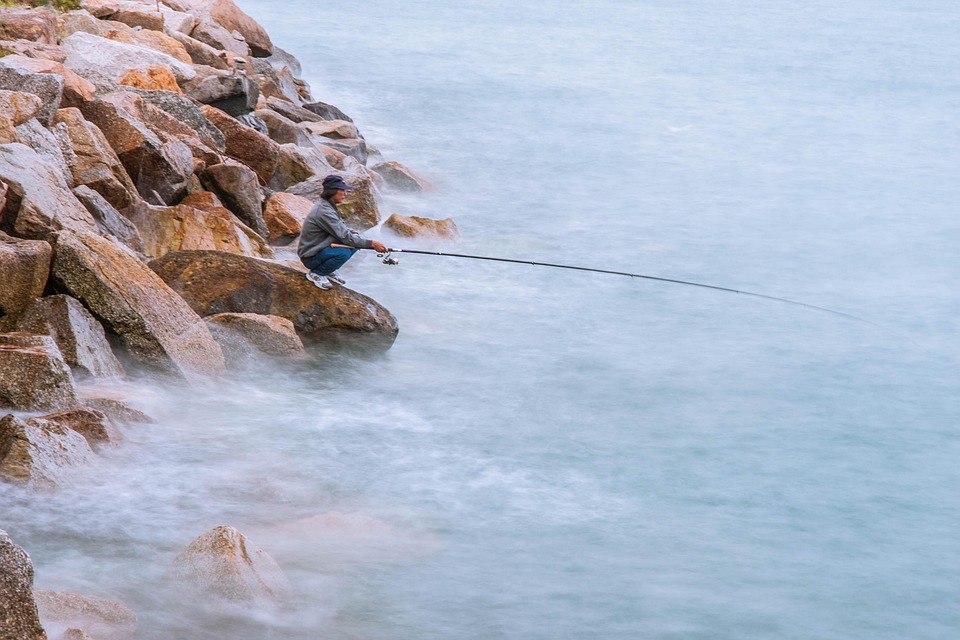
Fishing from the shore can be effective near structures and deep holes. Use a sturdy rod holder and ensure your bait is visible underwater.
Night Fishing
Many anglers prefer night fishing for catfish, as these fish are more active after dark. Use bright lights to attract smaller fish and create a feeding frenzy.
Common Mistakes to Avoid
As a beginner catfish angler, avoiding common pitfalls can enhance your fishing experience. Here are some mistakes to be mindful of:
- Using Too Light Tackle: Ensure your gear is designed for heavyweight catfish to prevent break-offs.
- Ignoring Water Conditions: Research water temperature and clarity, as these factors significantly impact fish behavior.
- Not Maintaining Patience: Fishing requires time and patience. Don’t get discouraged if you don’t catch anything immediately.
Conservation and Ethics in Catfishing
As you embark on your catfishing journey, it’s essential to be mindful of conservation practices. Always follow local regulations and consider catch-and-release methods for larger catfish to sustain their populations.
Moreover, keep your fishing area clean. Dispose of trash responsibly and respect the natural environments you enjoy.
Conclusion
Catfishing can be a rewarding and exhilarating experience for beginners. By understanding the types of catfish, choosing the appropriate gear, learning effective techniques, and being mindful of conservation practices, you can enhance your chances of a successful fishing trip. Enjoy the peacefulness of nature, the thrill of the catch, and, most importantly, have fun as you embark on your angling adventure.
FAQs
A: Early morning and late evening are generally the best times, as catfish are more active during these hours. Nighttime is also popular among many anglers.
A: Yes, most states require a fishing license regardless of the species you are targeting. Always check local regulations.
A: Look for brisk tension on your line and feel for powerful pulls. Catfish bites can be subtle at times, so maintaining tension is important.
A: Yes, during warmer months, live bait tends to work better, while stink baits and cut baits can be more effective in colder seasons.
A: Use wet hands or a wet towel to hold the fish to prevent skin damage. When releasing, minimize air exposure, and ensure the fish is revived properly before letting it go.
- beginner bass fishing
- beginner carp fishing
- beginner catfish fishing
- beginner fishing advice
- beginner fishing baits
- beginner fishing gear
- beginner fishing guides
- beginner fishing guides online
- beginner fishing knots
- beginner fishing lures
- beginner fishing mistakes
- beginner fishing reels
- beginner fishing rods
- beginner fishing strategies
- beginner fishing techniques
- beginner fishing tips
- beginner fishing trips
- beginner fishing tutorials
- beginner fishing videos
- beginner fly fishing
- beginner freshwater fishing
- beginner muskie fishing
- beginner panfish fishing
- beginner pike fishing
- beginner saltwater fishing
- beginner trout fishing
- fishing basics
- fishing for beginners
- how to fish
- new anglers tips











Leave a comment