









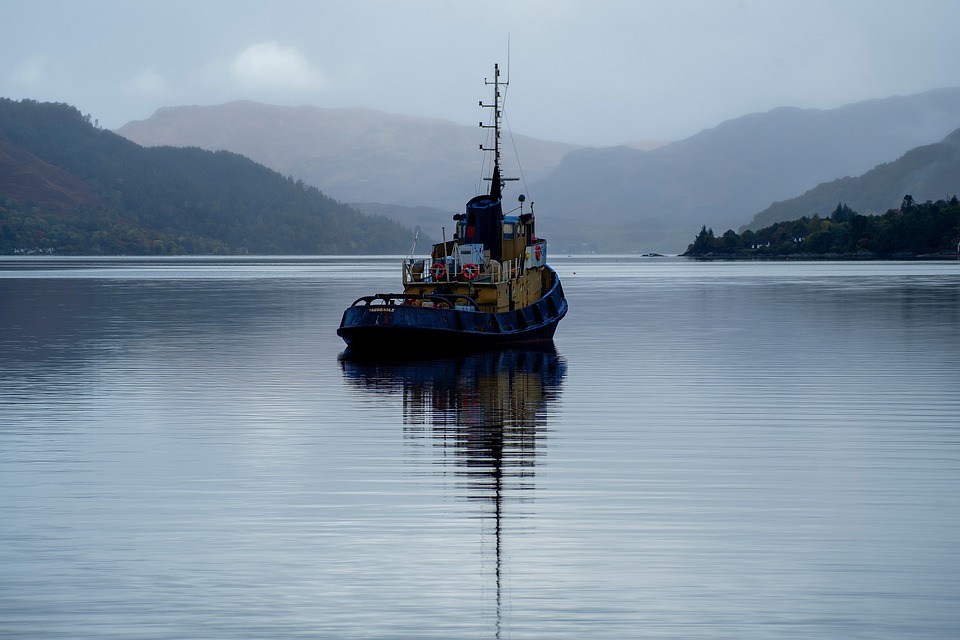








If you’ve ever gazed at the sun shimmering on a tranquil lake or a flowing river and felt a pull to engage with the water, fly fishing might just be your next great adventure. This sport combines the art of fishing with the beauty of nature, creating an experience that is not just about catching fish but also about engaging with the environment and finding peace in the rhythm of casting. As a novice, the world of fly fishing can seem overwhelming with its specialized gear, techniques, and terminology. However, it doesn’t have to be. Let’s explore what you need to know to take your first steps into this captivating outdoor activity.
The Allure of Fly Fishing
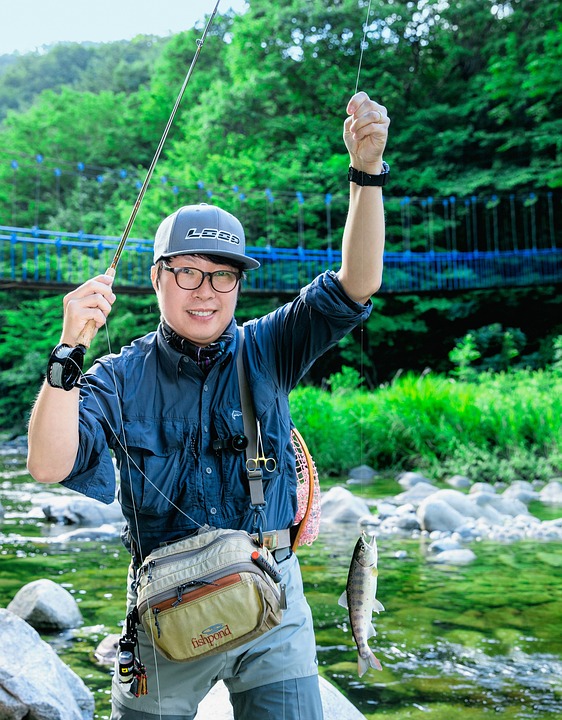
Fly fishing is more than just a way to catch fish; it’s an immersive outdoor experience that often promotes deep connections with nature. Fish species like trout and bass are often the targets, but the thrill of the chase and the serenity of the surroundings make fly fishing appealing beyond mere sport.
Many anglers become enamored with fly fishing due to the skill involved in casting and the fly presentation, artfully imitating the insects and other food the fish prefer. The intimate connection with the environment allows for mindfulness, often leading to a meditative state as one tunes in to the sounds of nature and the flowing water.
Community and Camaraderie
An additional charm of fly fishing lies in its community. Many find camaraderie among fellow anglers, sharing tips and stories, enhancing the experience even further. Local fly fishing clubs offer a great way to meet others interested in the same hobby, participate in group outings, and learn from more experienced fishermen.
Your Essential Gear
Embarking on your fly fishing adventure requires some gear, and while it may seem daunting, it’s simpler than it appears. Here’s a breakdown of the essential equipment you’ll need:
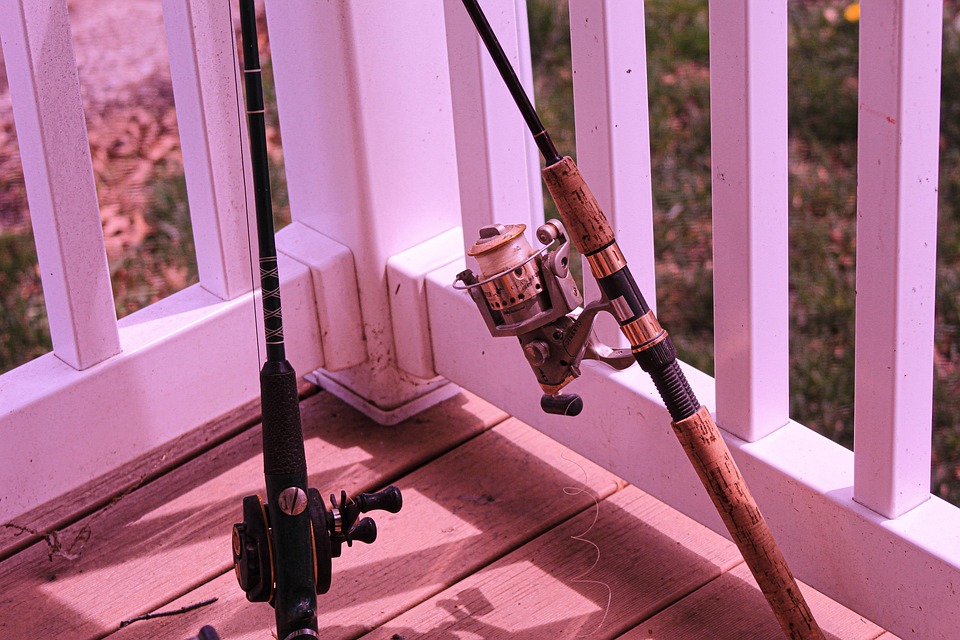
- Fly Rod: A long, flexible rod is crucial. For beginners, a 9-foot rod with a weight of 5 or 6 is a great starting point.
- Fly Reel: This holds the fishing line and allows you to retrieve it. Ensure your reel matches your rod’s weight.
- Fly Line: Different types exist for various fishing conditions. A floating line is best for most beginners.
- Leader and Tippet: Tippets help connect the fly to the line; choose a 5X tippet for nymphs and dry flies.
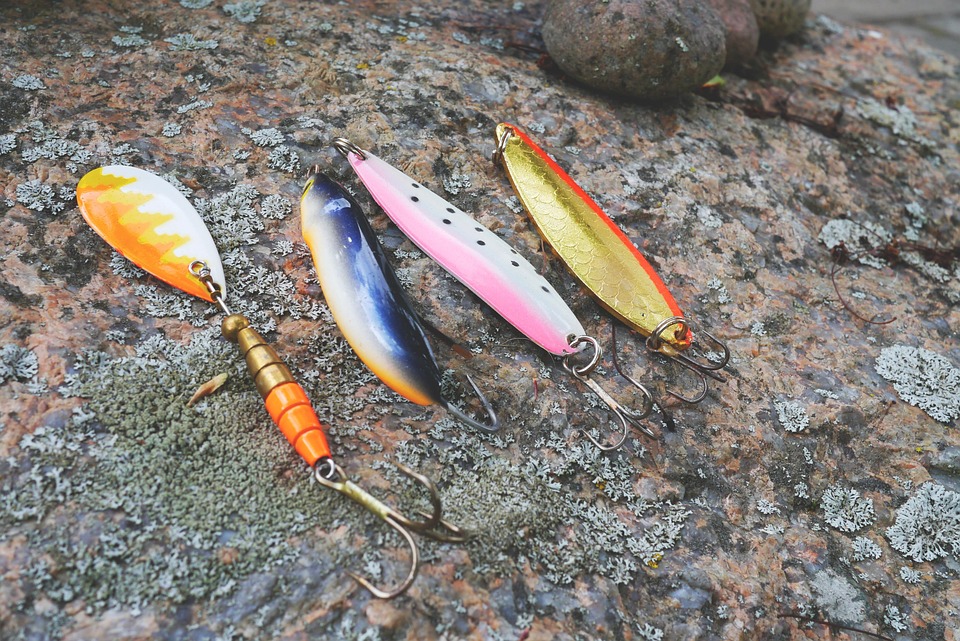
- Flies: These are artificial flies that mimic insects. Start with a few basic patterns such as Adams or Woolly Bugger.
- Waders: If you plan to fish in deeper waters, waders will keep you dry and comfortable.
- Miscellaneous Tools: Don’t forget forceps, a line cutter, and a fishing net for landing your catch.
Learning the Basics
Now that you have your gear, it’s time to familiarize yourself with the basics of fly fishing. Here are some fundamental techniques to get you started:
Casting Techniques
Mastering casting is key to successful fly fishing. The primary casting technique you’ll need to learn is the overhead cast:
- Begin by raising your rod to a 10 o’clock position, allowing the line to flow behind you.
- Swiftly bring the rod forward to a 2 o’clock position, allowing the line to unfurl in front.
- Finally, let your wrist create a flicking motion at the end of your cast to ensure accuracy and distance.
Understanding Fish Behavior
To catch fish, it helps to understand their behavior. Different fish species have varying feeding patterns, often impacted by time of day and water temperature. Research local fish species and talk to local anglers to determine what flies may be most effective based on these factors.
Choosing Your Fishing Location
Where you choose to fish can dramatically affect your experience. Some ideal locations for beginners include:
- Local Lakes: Many have designated fishing areas with easy access.
- Rivers: Look for slower-moving sections where fish may be resting.
- Stocked Ponds: These often contain a variety of fish and are easily accessible.
Familiarize yourself with local regulations and obtain a fishing license as required. Being aware of any seasonal restrictions or specific rules for catch and release is crucial.
Joining a Community
Diving into the world of fly fishing is made easier with community support. Seek local fly fishing clubs or forums online where you can ask questions, share experiences, and find fishing partners. You might also want to attend workshops or classes designed for beginners. Learning from seasoned anglers can save you time and hassle while dramatically improving your skills.
Conservation and Responsibility
As you embark on your fly fishing journey, it’s important to consider the impact you have on the surrounding environment. Practicing catch and release not only allows for sustainable fishing but also helps preserve the aquatic ecosystem. Dispose of waste responsibly, respect other anglers, and always follow local conservation regulations.
Conclusion
Fly fishing is a journey of discovery, blending skill, patience, and the thrill of the catch with the tranquility of the outdoors. As a beginner, the pathway may seem complicated, but with the right gear, knowledge, and support, you’ll find yourself hooked in no time. Embrace the adventure; every cast is a new opportunity, and the world of fly fishing awaits you with open arms. Dive in, immerse yourself in the experience, and enjoy every moment that nature offers.
FAQs
1. What is the best time of year to start fly fishing?
The best time to start fly fishing often depends on your location. Spring and fall are generally great seasons as fish are more active, but many regions offer good fishing year-round.
2. Do I need a fishing license to fly fish?
Yes, most places require a fishing license. Be sure to check local regulations before heading out.
3. Can I fly fish in saltwater?
Absolutely! While many beginners start with freshwater fly fishing, saltwater fly fishing is also an exciting option. The techniques are similar, but the gear will differ.
4. How can I ensure I’m fishing ethically?
Always practice catch and release, clean up after yourself, and respect the local fishing regulations. Educating yourself on conservation practices will also help you fish sustainably.
5. What’s the hardest part of learning to fly fish?
Many beginners find mastering the casting technique to be the most challenging aspect. However, with practice, it becomes more natural over time.
- beginner bass fishing
- beginner carp fishing
- beginner catfish fishing
- beginner fishing advice
- beginner fishing baits
- beginner fishing gear
- beginner fishing guides
- beginner fishing guides online
- beginner fishing knots
- beginner fishing lures
- beginner fishing mistakes
- beginner fishing reels
- beginner fishing rods
- beginner fishing strategies
- beginner fishing techniques
- beginner fishing tips
- beginner fishing trips
- beginner fishing tutorials
- beginner fishing videos
- beginner fly fishing
- beginner freshwater fishing
- beginner muskie fishing
- beginner panfish fishing
- beginner pike fishing
- beginner saltwater fishing
- beginner trout fishing
- fishing basics
- fishing for beginners
- how to fish
- new anglers tips










Leave a comment