













The sun rises slowly over the lake, casting a warm orange glow across calm waters. A sense of anticipation fills the air, especially for die-hard anglers like you who chase the elusive muskellunge, or muskie, known for its size and tenacity. As the waters warm and summer approaches, your chances of hooking one of these predators increase significantly.
Muskie fishing can be both exhilarating and challenging. To help you gear up for a successful season, this article delves into expert tips, essential gear, techniques, and common mistakes to avoid, ensuring that you maximize your efforts on the water this year.
The Allure of Muskies
The muskie, often referred to as the “fish of 10,000 casts,” is revered for its incredible strength and agility. Found primarily in North America, these apex predators grow up to 60 inches long and can weigh over 50 pounds. Their reputation as a “bucket-list fish” draws anglers from near and far, eager for the thrill of the catch.
Understanding Muskie Habitats
To improve your chances of success, you need to understand where to find muskies. They prefer waters with structures such as weed beds, submerged logs, and rocky outcrops, where they can hide and ambush prey. Here’s how to identify prime muskie habitats:
- Weed Beds: Muskies often hunt in and around dense vegetation, making these areas prime fishing spots.
- Submerged Structures: Logs, boulders, and other underwater structures provide excellent ambush points.
- Points and Islands: Look for points that extend into the water or islands that disrupt currents; they attract baitfish.
- Open Water: At times, muskies roam open waters, especially during summer when chasing schools of baitfish.
Essential Gear for Muskie Fishing
Having the right equipment is crucial when targeting muskies; the gear must withstand their powerful runs and aggressive bites.
Rods and Reels
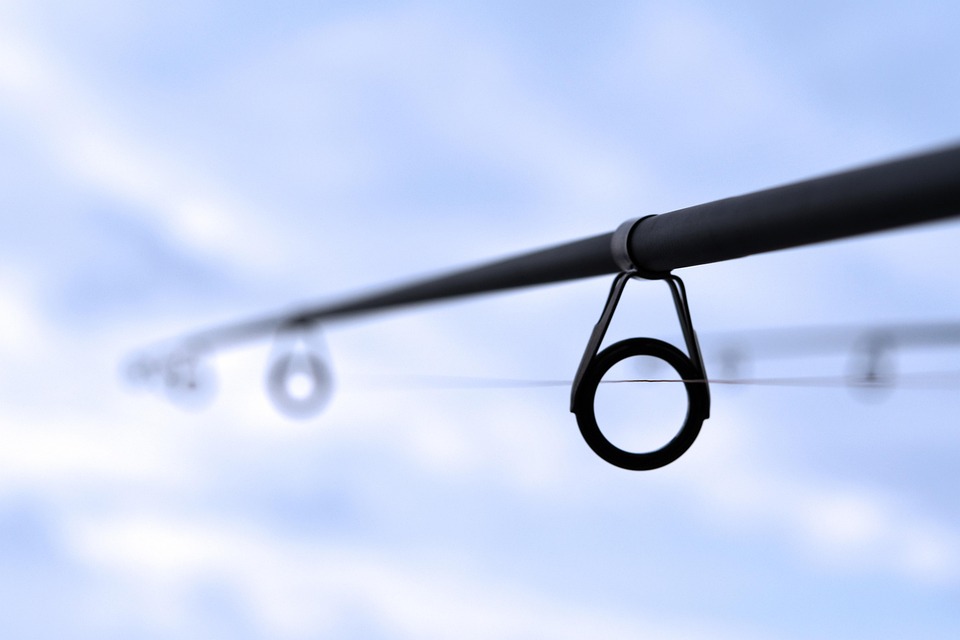
Choose a sturdy rod (8-10 feet) that offers good backbone and strength to handle the weight of large lures and aggressive fish. Pair your rod with a high-quality, low-profile baitcasting reel capable of handling heavy lines.
Line and Leaders
Use a braided line of at least 65-pound test for the main line, coupled with a heavy fluorocarbon leader (100-pound test) to prevent bite-offs from the muskie’s sharp teeth.
Lures
Muskies can be quite picky, so it’s essential to have a diverse lure selection, including:
- Topwater Lures: Great for summer evenings when muskies are cruising.
- Crankbaits: Ideal for covering large areas quickly.
- Swimbaits: Mimic the natural movement of fish, increasing your chances of a strike.
- Spinnerbaits: Effective in murky waters with their flash and vibration.
Techniques for Success
Now that you’re well-equipped, let’s discuss techniques that can enhance your fishing experience:
Perfecting Your Cast
Accurate casting is vital. Practice your casting skills to ensure you can reach the target areas near cover where muskies lurk. Aim for precision rather than distance, focusing on landing your lure silently in high-traffic zones.
Retrieve Techniques
Adjust your retrieve speed and technique based on water temperature and weather conditions. Try a slow, steady retrieve to entice curiosity or a rapid retrieve to trigger aggressive strikes. Experiment with stops or jerks to mimic wounded prey.
Timing is Key
Muskies are more active during certain times of the day, particularly during dawn and dusk. Plan your outings during these peak feeding times for the best results.
Seasonal Strategies
Understanding seasonal patterns can help you target muskies effectively:
- Spring: Focus on shallow, warmer waters as muskies transition from winter.
- Summer: Fish deep structures and cooler areas during the day; explore shallows in early morning and late evening.
- Fall: Muskies begin feeding considerably; targets include shallow weeds and points.
- Winter: Ice fishing can be productive; focus on deep channels and drop-offs.
Avoiding Common Mistakes
Even experienced anglers can make mistakes that lead to fewer catches. Here are some pitfalls to avoid:
Ignoring Water Temperature
Muskies are sensitive to temperature changes. Monitor local water temperatures and adjust your fishing strategies accordingly, as muskies will be less active in colder conditions.
Overly Aggressive Hook Sets
A common mistake is reacting too quickly when you feel a bite. Muskies have hard mouths, so a firm yet controlled hook set is crucial to ensure the hook penetrates effectively.
Poor Fish Handling
Take care when handling muskies to ensure their survival. Use a landing net to minimize stress and avoid removing them from the water for too long. If you plan to release, be sure to follow proper catch-and-release techniques.
Building a Muskie Community
The joys of muskie fishing extend beyond the chase; they also encompass the camaraderie found in the muskie community. Joining local fishing clubs or online forums can enhance your fishing knowledge and provide valuable insights from seasoned anglers.
When fishing in groups, share tips, techniques, and gear recommendations to ensure everyone has a successful outing. The bonds formed through shared experiences can make your fishing season not only more productive but also more enjoyable.
Conclusion
As the season approaches, your excitement builds with dreams of battling that trophy muskie. Armed with the right knowledge, gear, and techniques, you can unveil the mysteries of muskie fishing and increase your chances of success.
Remember that patience and persistence are key virtues in the world of angling. Each cast brings new opportunities and the thrill of pursuing one of the most sought-after game fish can lead to unforgettable experiences. Whether you’re a seasoned pro or a novice, the allure of muskie madness awaits you. So grab your gear, hit the water, and embrace the adventure that lies ahead.
FAQs about Muskie Fishing
What is the best time of year to fish for muskies?
The best times to fish for muskies are typically during spring and fall, as they are more aggressive and actively feeding during these seasons. Summer evenings and mornings can also provide productive fishing opportunities.
What are the best lures for muskie fishing?
Some of the best lures for muskie fishing include topwater lures, crankbaits, swimbaits, and spinnerbaits. Having a variety of lures will help you adapt to muskie behavior and water conditions.
How can I safely catch and release a muskie?
To safely release a muskie, use a landing net to minimize stress, avoid handling them too much, and remove the hook gently. Hold the fish horizontally to support its weight and revive it in the water until it swims away.
Do muskies bite year-round?
Muskies do bite year-round, but their feeding activity can vary greatly with water temperatures. They are less active during the cold winter months but can still be targeted through ice fishing techniques.
How can I improve my chances of catching a muskie?
Improving your chances involves understanding their habitats, having the right gear, practicing various techniques, and timing your fishing trips during peak activity hours. Patience and persistence are also essential.
- bait fishing seasons
- bass fishing seasons
- best fishing times
- bluegill fishing seasons
- carp fishing seasons
- catfish fishing seasons
- crappie fishing seasons
- fishing seasons
- fly fishing seasons
- inshore fishing seasons
- jigging seasons
- marlin fishing seasons
- muskie fishing seasons
- offshore fishing seasons
- panfish fishing seasons
- pike fishing seasons
- popping seasons
- sailfish fishing seasons
- salmon fishing seasons
- seasonal fishing for beginners
- seasonal fishing guides
- seasonal fishing guides worldwide
- seasonal fishing strategies
- seasonal fishing tips
- shark fishing seasons
- spinning fishing seasons
- trolling seasons
- trout fishing seasons
- tuna fishing seasons
- walleye fishing seasons
- zander fishing seasons













Leave a comment