

















When it comes to fishing, nothing generates more excitement than the chase for predatory fish. Anglers worldwide engage in the art of catching species like bass, pike, and musky, employing a variety of tactics and tools. One of the most crucial components for success in this endeavor is the selection of fishing lures, specifically designed to attract these predatory fish. But what makes a fishing lure effective? Let’s dive into the science behind predator fishing lures and explore the nuances that make them so successful.
The Role of Predator Fish in Ecosystems
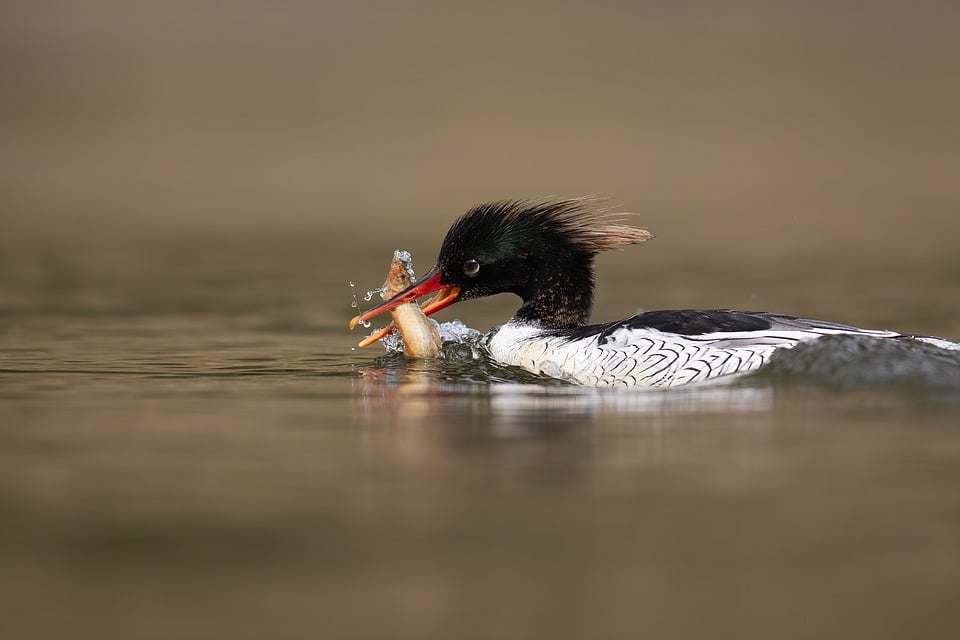
Before we can understand lures, it’s essential to grasp the importance of predator fish within aquatic ecosystems. Predator fish, such as bass and pike, help maintain balance in their habitats by controlling populations of smaller fish, thereby contributing to the overall health of the ecosystem. Understanding their behavior, feeding patterns, and the environments they inhabit is critical for developing effective lures.
Feeding Behavior of Predator Fish
Predatory fish are opportunistic feeders. Their preference for specific prey shifts based on several factors, including food availability, water temperature, and seasonal changes. For example, during spring and summer months, these fish often target juvenile fish and insects. As the water cools in the fall, they might gravitate towards larger and more abundant prey. This feeding behavior informs the design and selection of fishing lures.
The Science of Lure Design
The design of predator fishing lures involves a multidisciplinary approach encompassing biology, hydrodynamics, and even psychology. Each design element contributes to creating a lure that can provoke a predatory strike. Let’s explore three pivotal aspects of lure design: color, movement, and sound.
Color Psychology in Lure Selection
Color plays a significant role in attracting predator fish. Bright, vibrant colors like chartreuse or fire tiger can be highly effective in low-visibility water, where they offer high contrast against the murky background. Conversely, natural colors like greens and browns mimic the appearance of baitfish and are particularly effective in clear water conditions.
Movement Dynamics
The action or movement of a lure is crucial. When a lure mimics the erratic movement of injured prey, it triggers a predatory behavior called “the impulse to strike”. Lures designed with specific actions, such as wobbles, jerks, or rolls, can effectively imitate the natural movements of prey fish. For instance, crankbaits create vibrations and changes in water pressure that signal nearby fish.
The Sound Factor
Sound also plays a critical role in attracting fish. Many lures are designed with rattles or noise-generating components that create vibrations in the water, mimicking the distress signals of prey. Studies have shown that certain frequencies and sound patterns can elicit a feeding response from predatory fish, making sound an integral component of lure design.
Types of Predator Fishing Lures
Various types of lures are specifically developed to target predatory fish. Each type offers unique features designed to elicit a strike. Here’s a look at some popular types:
1. Crankbaits
Crankbaits are hard-bodied lures designed to dive to specific depths based on their bill shape. They often have a wide wobbling action that mimics the movement of injured fish.
2. Spinnerbaits
Spinnerbaits feature one or more spinning blades, which create flash and vibrations in the water. These lures are great for covering large areas quickly and can be fished in various water conditions.
3. Jerkbaits
Jerkbaits are designed to mimic fleeing prey. Anglers impart action through a series of jerks and pauses, creating a lifelike movement that can be irresistible to predators.
4. Topwater Lures
These lures float on the water’s surface and generate loud splashes or movements that attract fish. Topwater fishing often provides exhilarating visual strikes as fish break through the surface to capture their prey.
The Evolution of Fishing Lures: Technology and Tradition
Fishing lures have come a long way since their inception. Traditional lures made from wood have evolved significantly, thanks to technological advancements. Modern lures often incorporate high-quality plastics, metal components, and advanced hydrodynamic designs that enhance their effectiveness.
Smart Technology
The introduction of smart fishing technologies, such as digital lures equipped with sensors and app connectivity, has revolutionized predator fishing. These lures can adapt their action, color, and even emit sounds based on real-time environmental changes, enhancing their attractiveness to fish.
Environmental Considerations in Lure Selection
As anglers, it’s crucial to consider the environmental impact of our fishing practices. Many modern lures are designed with sustainability in mind. Whether through the use of biodegradable materials or innovative manufacturing processes that reduce waste, the fishing industry is increasingly aware of its ecological footprint.
Conclusion
Understanding the science behind predator fishing lures not only enhances the fishing experience but also equips anglers with the knowledge needed to make informed choices. By considering factors such as color, movement, and sound design, coupled with an awareness of environmental impacts, we can appreciate the art—and science—of luring in the big ones.
FAQs
1. What types of lures are best for freshwater predator fishing?
Common types of lures for freshwater predator fishing include crankbaits, spinnerbaits, jerkbaits, and topwater lures. Each type has specific characteristics tailored to different fishing conditions and species.
2. How do I choose the right color for my fishing lure?
The right color choice often depends on water clarity and light conditions. Bright colors work well in murky waters, while more subdued, natural colors are effective in clearer waters.
3. Are expensive fishing lures worth the investment?
While higher-priced lures may offer advanced technology and better construction, effectiveness often depends on how well they mimic the local prey species. Value can also be found in durable lures that last longer.
4. Can I use the same lures in saltwater fishing?
While some lures can be effective in both freshwater and saltwater, it’s crucial to select materials designed for saltwater conditions to prevent corrosion and damage.
5. What is the best time of year for predator fishing?
Spring and fall are often considered the best times for predator fishing, as fish tend to feed more aggressively during these seasons. However, local conditions and species behavior can also dictate the ideal fishing times.
- advanced predator fishing
- aggressive fish fishing
- barracuda fishing
- barracuda lure fishing
- freshwater predator fishing
- large predator fishing
- muskie fishing
- muskie lure fishing
- pike fishing
- pike lure fishing
- predator angling
- predator fishing
- predator fishing baits
- predator fishing destinations
- predator fishing for beginners
- predator fishing gear
- predator fishing guides
- predator fishing lures
- predator fishing reels
- predator fishing rigs
- predator fishing rods
- predator fishing seasons
- predator fishing spots
- predator fishing tactics
- predator fishing techniques
- predator fishing tips
- predatory fish fishing
- saltwater predator fishing
- zander fishing
- zander jigging














Leave a comment