


















Channel Catfish: An Overview
The channel catfish, known scientifically as Ictalurus punctatus, is a freshwater fish native to North America, celebrated for its resilience, adaptability, and significantly tasty flesh. These fish are known to thrive in a variety of habitats—from rivers and lakes to reservoirs and ponds—ensuring that anglers across the country have numerous opportunities to catch the “king of the river.”
Physical Characteristics
Channel catfish are easily identifiable due to their unique features. They possess a long, slender body that can grow up to 58 inches and weigh as much as 58 pounds, although most caught are typically smaller, averaging around 3 to 20 pounds. Their bodies are covered in smooth, bluish or greenish skin, dotted with scattered black spots, which is where they get their name. They also have long, sensitive whiskers, or barbels, that aid in detecting food in murky waters.
Habitat and Distribution
Channel catfish are widely distributed across North America, inhabiting virtually all freshwater environments. They prefer habitats with ample cover, such as submerged logs, overhanging banks, and deep pools. During the day, these fish often hide in deeper waters or under structures, becoming more active during dusk and dawn.
Best Seasons for Fishing
The best times to catch channel catfish are typically during the warmer months, particularly late spring through early autumn. As the water temperature rises, catfish become more active and hungry, making this the prime time for anglers. Notably, the pre-spawning period, usually from late April to early June, can yield exceptional catches as catfish feed heavily to prepare for reproduction.
Tackle and Gear
When it comes to fishing gear for channel catfish, a few factors should be considered:
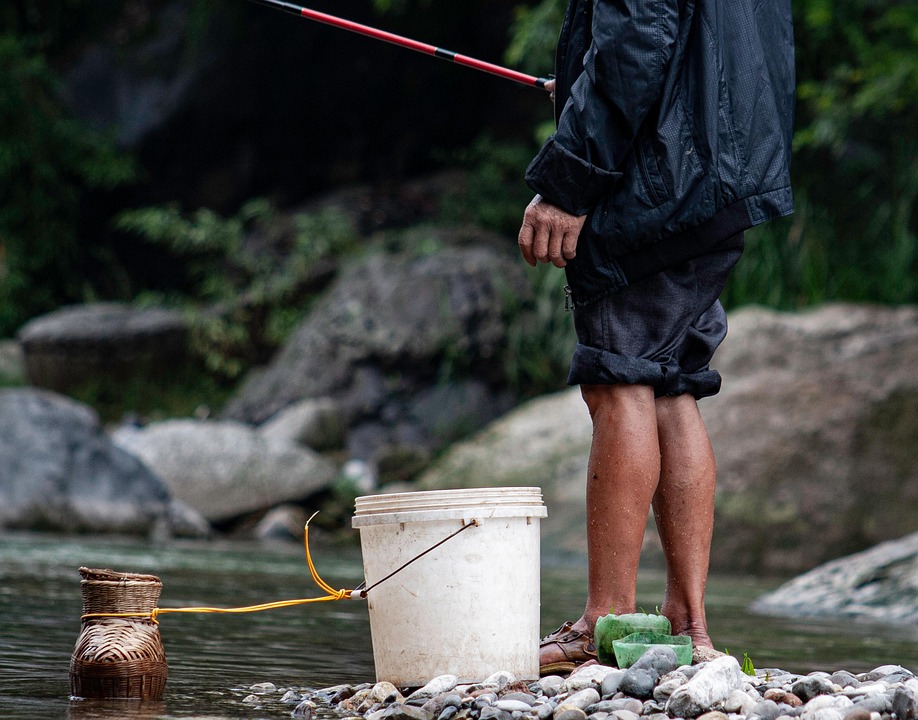
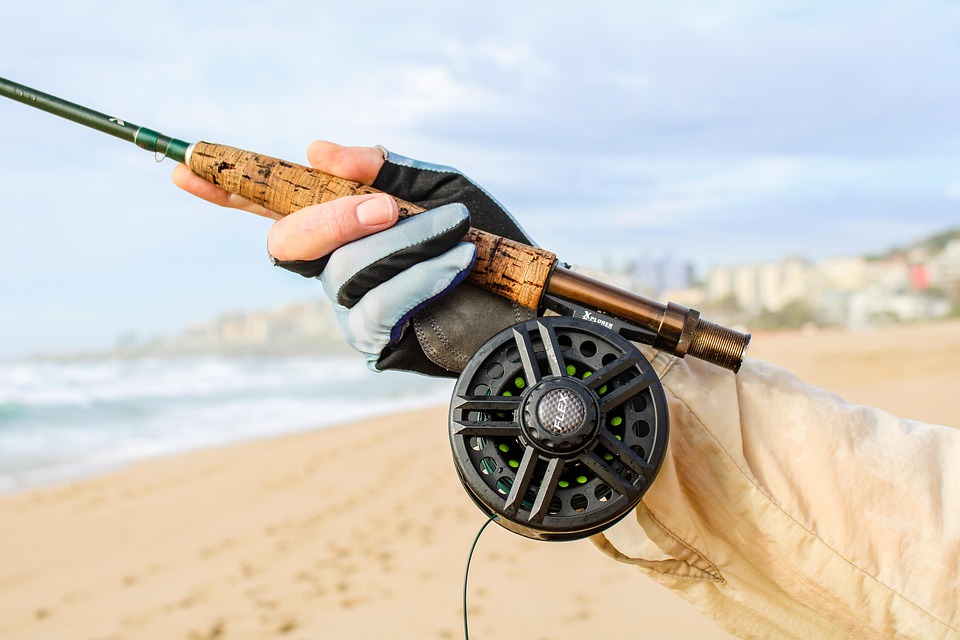
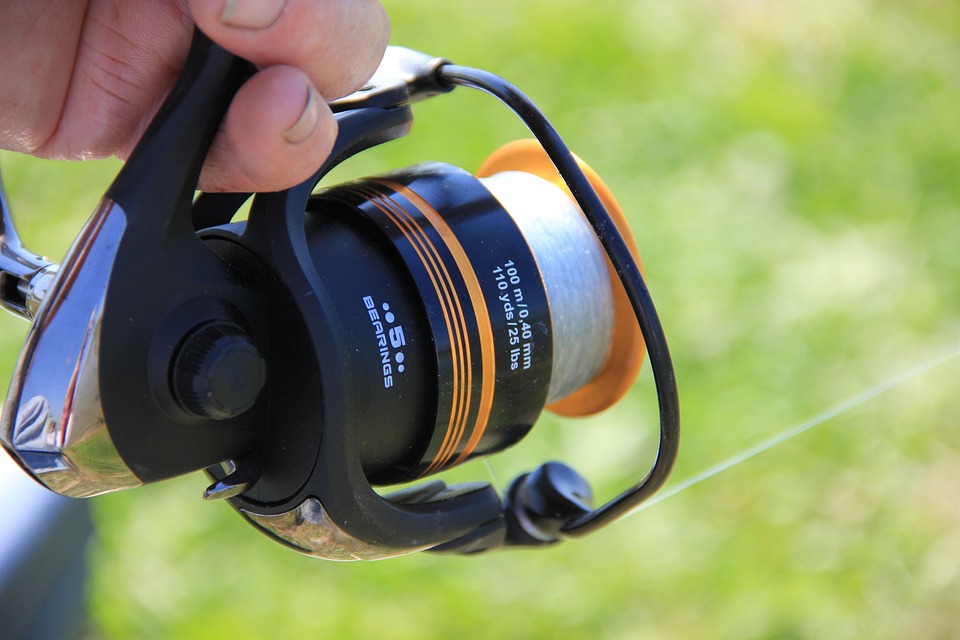
- Rod and Reel: A medium to heavy spinning or baitcasting rod is ideal, typically ranging from 6 to 9 feet in length to offer the necessary leverage.
- Line: Use a strong monofilament or braided line with a test strength of anywhere from 15 to 30 pounds, depending on the habitat.
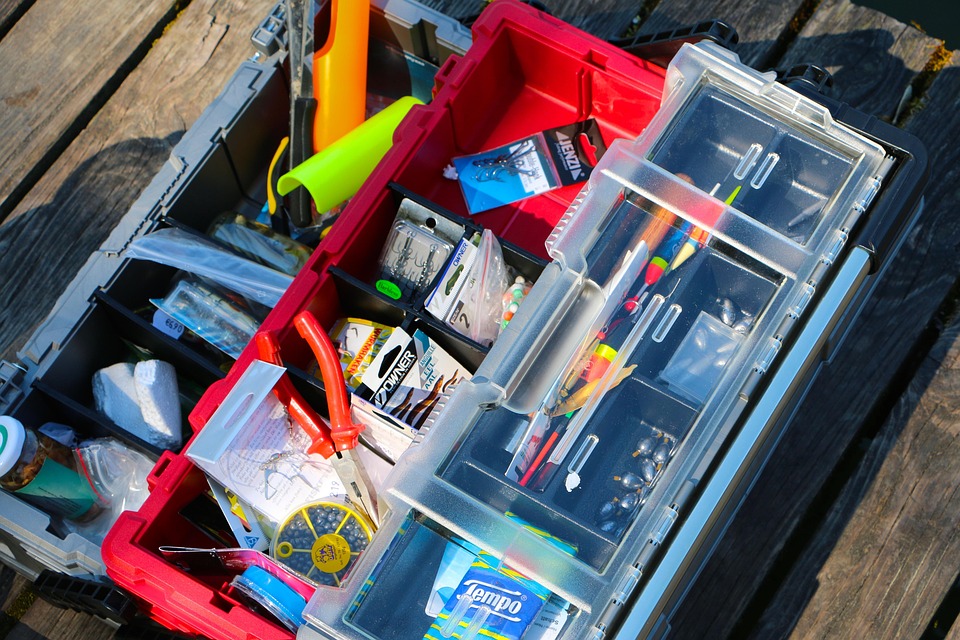
- Hooks: Selection of hooks varies based on bait; circle hooks are commonly recommended for catfishing.
Baits and Lures
The type of bait you choose can greatly influence your success in catching channel catfish. Popular bait options include:
- Cut Bait: Fresh or frozen fish (like shad or sardines) is a preferred choice due to its potent scent.
- Stink Bait: A smelly concoction made from cheese, dough, or other strong-smelling materials to attract catfish from a distance.
- Live Bait: Worms, minnows, or other small fish can also be effective, especially in warmer weather.
Fishing Techniques
While there are various techniques for catching channel catfish, two of the most effective methods include:
1. Bottom Fishing
This technique involves placing your bait near the bottom of the water body, where catfish typically scour for food. Use a sinker to ensure your bait stays close to the bottom and consider periodically checking your bait to ensure it hasn’t been stripped away by smaller fish.
2. Float Fishing
Using a bobber or float, anglers can present their bait at different depths. This can be particularly effective when targeting catfish that are actively feeding in the upper water column during feeding times.
Understanding Behavior and Feeding Patterns
Channel catfish are primarily nocturnal feeders, which means dusk and dawn are the best times to catch them. However, they can also be found during the day, especially in low-light conditions. They rely on their sensitive barbels to detect food, so fishing near structures typically yields better results. It’s crucial to understand their behavior, as temperature, time of day, and seasonal changes affect their feeding habits.
Regulations and Conservation
Before heading out, it’s vital to familiarize yourself with local fishing regulations, which can vary significantly by region. Regulations around size and bag limits help sustain channel catfish populations and prevent overfishing. Many areas encourage catch-and-release practices for larger fish to ensure future generations of anglers can enjoy this activity.
Safety and Environmental Considerations
When fishing, safety should always be a priority. Ensure that you have the proper safety gear, including a life jacket if on a boat. Moreover, always respect the environment by practicing “Leave No Trace” principles. Proper disposal of fishing line and waste is crucial in conserving aquatic ecosystems.
Conclusion
Channel catfish fishing offers an exciting and rewarding experience for anglers of all skill levels. With the right gear, techniques, and knowledge about their behavior, catching these fish can become a favored pastime. Whether you are fishing in a local river or a vast lake, understanding where to find them and what to use can significantly increase your chances of a successful catch. Remember to respect local regulations and conserve the precious habitats where these magnificent fish reside. Happy fishing!
FAQs
- What are the best times of day to catch channel catfish?
The best times are typically early morning, late afternoon, and evening. - What size rod should I use?
A medium to heavy rod, ideally between 6 and 9 feet long, is recommended. - Can I catch channel catfish in the winter?
Yes, it can be done, but they are less active and often found in deeper waters during colder months. - What bait works best?
Cut bait, stink bait, and live bait like worms or minnows are excellent choices. - Are there any age restrictions for fishing licenses?
It varies by state; many places offer special licenses for youth or often allow minors to fish without a license. - How do I clean and prepare channel catfish?
Cleaning involves gutting and filleting the fish; it’s recommended to do this as soon as possible after catching.
- advanced catfish fishing
- blue catfish fishing
- catfish angling
- catfish bait
- catfish fishing
- catfish fishing for beginners
- catfish fishing gear
- catfish fishing guides
- catfish fishing reels
- catfish fishing rods
- catfish fishing seasons
- catfish fishing spots
- catfish fishing tactics
- catfish fishing techniques
- catfish fishing tips
- catfish hooks
- catfish rigs
- catfish species
- channel catfish fishing
- cut bait catfish fishing
- deep water catfish fishing
- flathead catfish fishing
- lake catfish fishing
- live bait catfish fishing
- monster catfish fishing
- night catfish fishing
- river catfish fishing
- shallow water catfish fishing
- stink bait catfish fishing
- trophy catfish fishing














Leave a comment