









Introduction to Wahoo Fishing
Wahoo fishing represents more than just a sport; it captures a way of life rooted in adventure, excitement, and a passion for the open sea. Found primarily in tropical and subtropical waters, Wahoo (Acanthocybium solandri) are revered for their incredible speed and powerful fighting capabilities, making them a prized catch for anglers. The thrill of chasing these elusive fish often leads fishing enthusiasts to seek out wahoo fishing adventures that promise not only a catch, but an unforgettable experience.
The Thrill of the Chase
Wahoo are notorious for their blistering speed, often reaching over 60 miles per hour in short bursts. This speed, combined with their agility, makes them challenging adversaries for fishermen. Anglers often describe the initial hook as a wild rush, where the sheer power of the Wahoo tries to escape, resulting in intense line peeling. Each catch requires skill and strategy to outsmart these smart predators.
Seasons and Locations for Wahoo Fishing
The ideal conditions for targeting wahoo often occur in warmer months, typically from late spring through early fall. Wahoo are frequently found in deep offshore waters, where currents and water temperatures converge to create perfect hunting grounds. Popular destinations for wahoo fishing include:
- The Bahamas: Renowned for its rich marine life, the islands provide excellent wahoo fishing opportunities, especially around the blue holes and reefs.
- Florida Keys: The surrounding Atlantic waters host numerous fishing charters that target wahoo.
- Hawaii: Known for its deep-sea fishing, the Hawaiian islands are frequented by wahoo enthusiasts, especially around underwater structures and ledges.
- Mexico’s Pacific Coast: Areas such as Cabo San Lucas are famous for wahoo populations, especially during migratory periods.
Preparation for a Wahoo Fishing Adventure
Planning a successful wahoo fishing trip requires careful preparation and selection of gear. Key elements include:
1. Gear Selection
Wahoo fishing demands durable, high-quality gear. Recommended equipment includes:
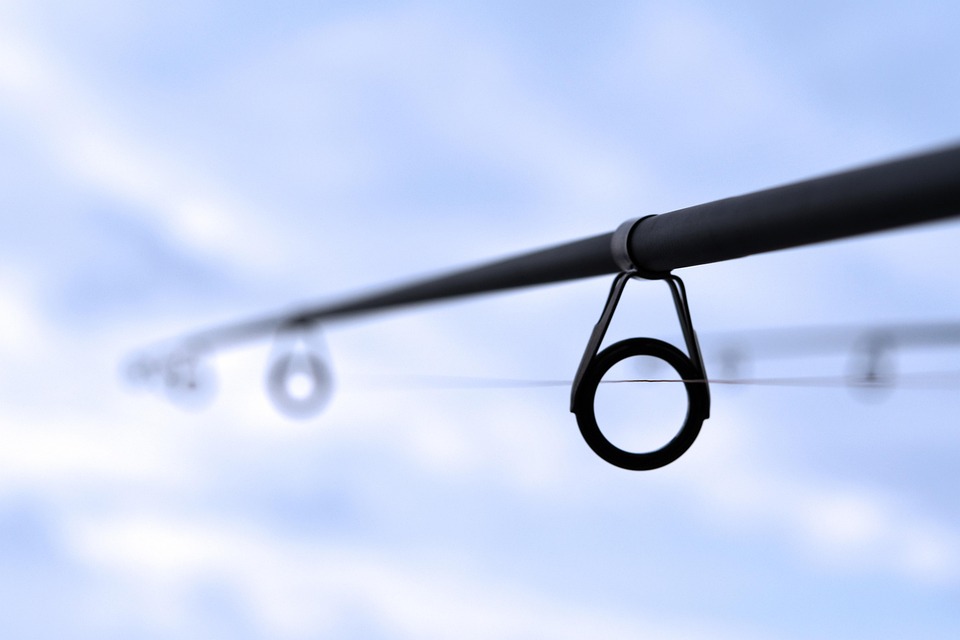
- Rod and Reel: Opt for a medium to heavy-action rod paired with a high-speed reel that can handle heavy lines and high drag settings.
- Line and Leader: Use braided lines (30-80 lb test) for strength and sensitivity, coupled with a solid fluorocarbon or wire leader to withstand sharp teeth.
- Baits and Lures: Wahoo are often attracted to both live and artificial baits. The use of trolling lures, such as high-speed skirts or diving plugs, proves effective.
2. Research and Knowledge
Understanding the Wahoo’s behavior, feeding patterns, and migratory routes can drastically increase your chances of a successful catch. Anglers should pay attention to water temperatures, currents, and the moon phases, all of which influence wahoo activity.
3. Safety and Comfort
A successful fishing trip also involves being prepared for the elements. Ensure you have proper safety gear, sun protection, and plenty of water. Familiarize yourself with the boat’s safety features and protocols. Adopting a reliable fishing charter with knowledgeable guides can also augment the experience significantly.
The Fishing Experience
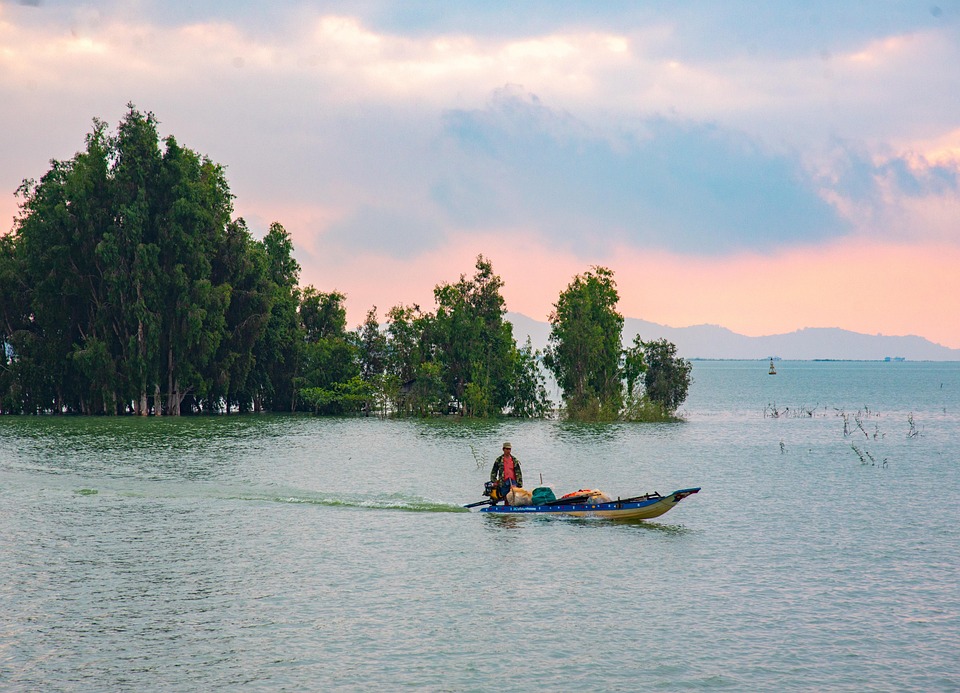
Once you’re out on the water, the experience of wahoo fishing is electric. The anticipation builds as the boat motors into deeper waters, searching for optimal conditions. Fishing techniques vary by region but most experienced anglers utilize a combination of trolling and deep-drop techniques. The thrill begins when the first strike occurs, often resulting in a chaotic scene as fishermen scramble to adjust lines, reels whirring as the fish makes its powerful escape.
Conservation and Ethical Fishing
Wahoo populations, like many species, are affected by overfishing and environmental changes. Responsible anglers must prioritize sustainable fishing practices to ensure the longevity of wahoo in our oceans. This includes:
- Adhering to local fishing regulations and size limits.
- Promoting catch and release where possible, especially with juvenile fish.
- Supporting conservation initiatives that protect marine ecosystems.
Wahoo Fishing Stories
Many fishermen have their own tales of epic battles with Wahoo. Whether it’s a massive catch or a fish that got away, each story paints a vivid picture of the excitement and unpredictability inherent in fishing. For instance, stories from the Bahamas often recount days when schools of wahoo invade the waters, turning a fishing trip into an adrenaline-filled competition.
Conclusion
Wahoo fishing is not simply about the thrill of catching these remarkable fish; it encompasses the entire adventure of being out on the water, surrounded by stunning landscapes and the excitement of chasing one of the ocean’s fastest predators. Whether you’re a seasoned angler or a newcomer to the sport, the experiences gained during a Wahoo fishing adventure are bound to be unforgettable. The joy of community, stories shared with fellow fishermen, and the sustainable practices learned along the way contribute to a richer understanding of the marine ecosystems. In chasing speed, we discover joy, camaraderie, and a renewed respect for nature’s wonders.
Frequently Asked Questions (FAQs)
1. What is the best time of year for wahoo fishing?
The peak season for wahoo fishing varies depending on the region but generally falls from late spring to early fall in tropical and subtropical waters.
2. What are the best baits for wahoo fishing?
Commonly used baits include live fish (such as mackerel), as well as trolling lures like high-speed skirts or diving plugs.
3. Are there any special safety precautions I should take when fishing for wahoo?
Yes, it’s important to have safety gear on board, protect yourself from the sun, and stay hydrated. Understanding the boat’s safety features and protocols is also crucial.
4. What type of fishing gear is recommended for wahoo?
A medium to heavy-action rod with a high-speed reel, braided line, and a fluorocarbon or wire leader is recommended for targeting wahoo.
5. How can I contribute to wahoo conservation?
Engage in sustainable fishing practices, adhere to local regulations, and support conservation initiatives aimed at protecting marine life.
- big game angling
- big game fishing
- big game fishing baits
- big game fishing destinations
- big game fishing gear
- big game fishing guides
- big game fishing lures
- big game fishing reels
- big game fishing rods
- big game fishing tactics
- big game fishing techniques
- big game fishing trips
- bluewater fishing
- deep ocean fishing
- deep sea fishing
- giant trevally fishing
- kingfish fishing
- mahi mahi fishing
- marlin fishing
- monster fish fishing
- offshore fishing
- offshore trolling
- pelagic fishing
- sailfish fishing
- shark fishing
- sportfishing offshore
- swordfish fishing
- trophy fishing
- tuna fishing
- wahoo fishing








Leave a comment