











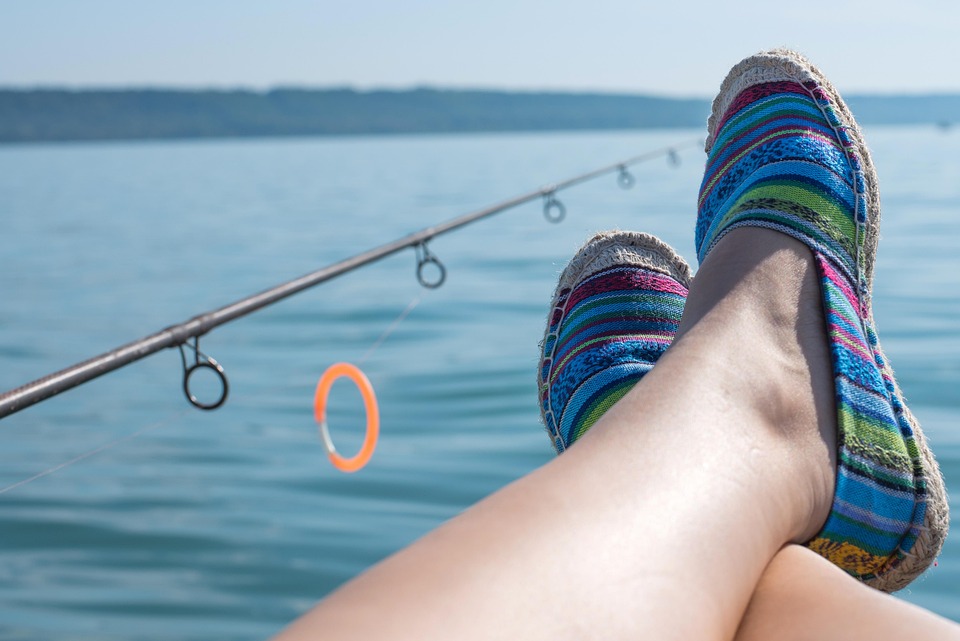


Perch fishing is not just a sport; it’s a way of life for many anglers. Known for their striking colors and feisty behavior, perch can be both a thrilling and rewarding catch. However, catching these elusive fish requires an understanding of the right techniques, bait choices, and most importantly, their preferred locations.
The Allure of Perch
Perch, particularly the European perch and the yellow perch, are popular targets for anglers due to their prevalence in freshwater bodies, including lakes, rivers, and reservoirs. They are relatively easy to catch, making them ideal for novice anglers while still providing a challenge for the more experienced. Their voracious appetite and willingness to bite make them an exciting species to pursue.
Understanding Perch Behavior
To successfully catch perch, it is essential to understand their behavior. Perch are schooling fish, often found in groups, especially during feeding times. They prefer shallow waters with vegetation, where they can find cover and prey. Typically, they are more active during early mornings and late evenings, making these times optimal for fishing.
Bait Choices: What Works Best
1. Live Bait
One of the most effective ways to catch perch is by using live bait. Common choices include:
- Worms: Nightcrawlers and red wigglers are classic options that are hard for perch to resist. They are available at most tackle shops and can be easily presented on a hook.
- Small Minnows: Live minnows can be incredibly appealing to perch. They mimic the natural prey of the fish and can often entice larger specimens.
- Crayfish: In areas where crayfish are abundant, using them as bait can yield impressive results.
2. Artificial Lures
For those who prefer a more active approach, artificial lures can be just as effective. Popular choices include:
- Jigs: Small jigs in vibrant colors can mimic the movements of distressed prey, making them attractive to perch.
- Spinnerbaits: The flash and vibration of spinnerbaits can attract perch from a distance, especially in murky waters.
- Soft Plastics: Grubs and minnow imitations can be fished on jig heads to resemble smaller fish.
Location Secrets: Where to Find Perch
Location is crucial when fishing for perch. The right spot can make all the difference in your success rate. Here are some location secrets that can help you land the big one:
1. Vegetation Cover
Perch are often found near weed beds, lily pads, and submerged structures. These areas provide shelter and hunting grounds, making them effective fishing spots. Look for areas where there is a mix of deep and shallow water.
2. Drop-offs and Points
Underwater structures like drop-offs, points, and sunken islands are prime locations for perch. These areas often hold baitfish, drawing perch in for a meal. Using a fish finder can help identify these features quickly.
3. Seasonal Changes
As the seasons change, so do the habits of perch. In spring, they move to shallow waters to spawn, while in summer, they may retreat to deeper cooler waters during the day and return to shallower areas at dusk. Understanding these seasonal movements is critical for successful perch fishing.
4. Weather Conditions
Weather plays a significant role in fishing conditions. Overcast days often lead to increased feeding activity, while bright, sunny days can make perch more cautious. A light rain could trigger a feeding frenzy. Time your outings around these conditions for optimal success.
Fishing Techniques: Tips for Success
While bait and location are vital, employing the right fishing techniques can enhance your success. Here are some tips to consider:
1. Tackle Selection
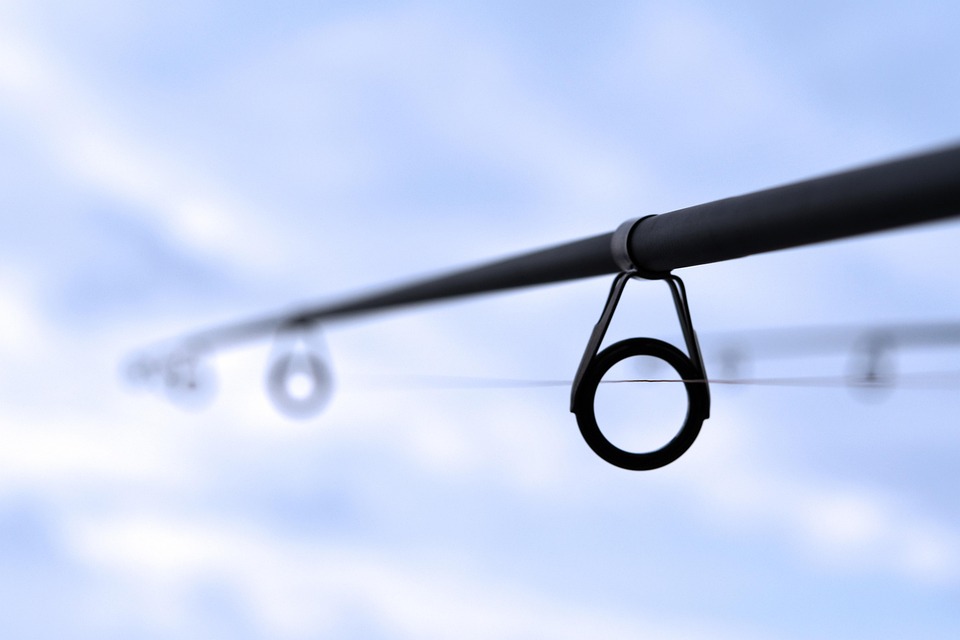
Choosing the right tackle is essential. A medium-light fishing rod with a sensitivity to feel bites works best for perch fishing. Use a reel with a smooth drag system to handle the fight when a perch strikes. Opt for a line of around 4 to 8 lbs for better sensitivity and reduced visibility.
2. Presentation
The way you present your bait can be just as important as the bait itself. When using live bait, allow it to move naturally in the water. For lures, try varying your retrieve speed; sometimes, a slow, steady retrieve works best, while other times, a faster, erratic motion can trigger a bite.
3. Patience is Key
Perch fishing often requires patience. If you’re not getting bites immediately, don’t rush to change spots. Give each location time, and don’t hesitate to adjust your bait, lure, or technique based on your observations.
Conclusion
Perch fishing can be an immensely rewarding experience, combining the thrill of the chase with the satisfaction of understanding nature’s intricacies. By perfecting your bait choices, scouting potential hotspots, and employing effective techniques, you can significantly improve your chances of a successful day on the water. Remember, the world of perch fishing is as rich as it is varied; always stay adaptable and open to learning.
FAQs
1. What is the best time of day to fish for perch?
Early morning and late evening are the most productive times to fish for perch, as they are more active during these hours.
2. Is live bait better than artificial lures?
Both have their advantages. Live bait often works best but using artificial lures can be more engaging and allow for a greater range of presentation styles.
3. What depth should I fish for perch?
Perch can be found at varying depths depending on the season. Generally, in the spring, they will be in shallower waters, while in summer, they may move to deeper areas during the day.
4. What type of line should I use?
A 4 to 8 lbs test line is typically recommended for perch fishing to maintain sensitivity and minimize visibility.
5. How do I know if I have a perch on the line?
Perch typically exhibit subtle bites, so pay attention to light taps or a sudden change in tension on your line. Be prepared to set the hook quickly!
- bass fishing
- Bluegill Fishing
- carp fishing
- catfish fishing
- Crappie Fishing
- freshwater angling
- freshwater bait fishing
- freshwater fishing
- freshwater fishing gear
- freshwater fishing guides
- freshwater fishing species
- freshwater fishing techniques
- freshwater fishing tips
- freshwater fly fishing
- freshwater spinning fishing
- inland fishing
- lake fishing
- lakes fishing
- largemouth bass fishing
- muskie fishing
- panfish fishing
- Perch Fishing
- pike fishing
- pond fishing
- reservoir fishing
- reservoirs fishing
- river fishing
- rivers fishing
- Salmon Fishing
- smallmouth bass fishing
- stream fishing
- Tilapia Fishing
- Trout Fishing
- Walleye Fishing











Leave a comment