











Fishing transcends mere sport; it’s a tradition, a way to connect with nature, and often a pathway to food. The art and science of freshwater fishing are encapsulated in the enlightening pages of the “Freshwater Fisherman’s Handbook.” Geared towards enthusiasts ranging from beginners to seasoned anglers, this comprehensive guide delves deep into the tools, techniques, and tactics that define effective freshwater fishing. Here, we will explore the important elements that make this handbook an essential read for anyone looking to enhance their fishing experience.
Essential Tools for Freshwater Fishing
The right tools can make all the difference in a fishing expedition. The “Freshwater Fisherman’s Handbook” outlines a variety of essential equipment, including:
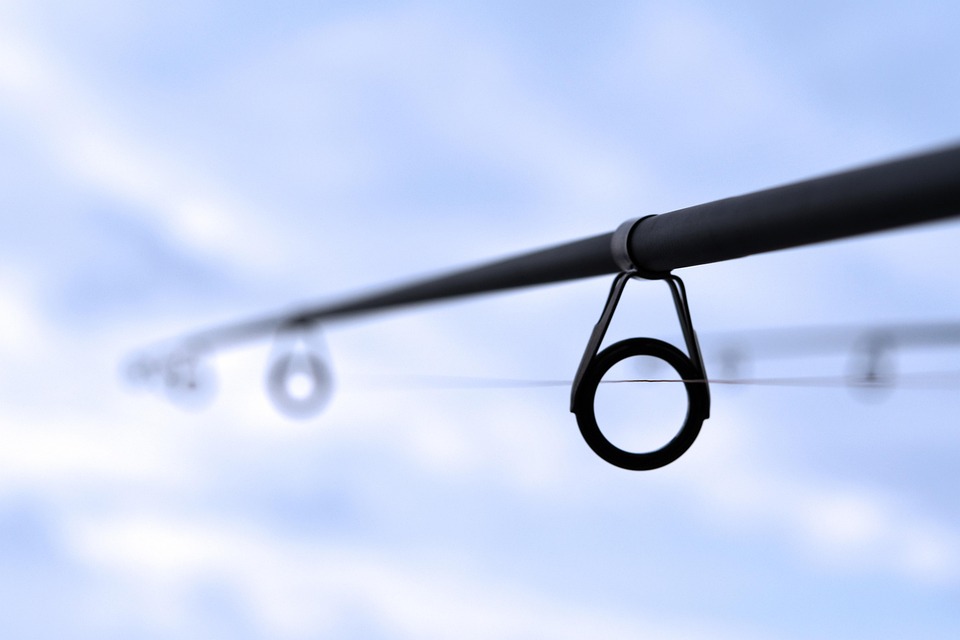
- Rod and Reel: Choosing the appropriate rod and reel is crucial. The book explains various types, including spinning, baitcasting, and fly rods, elaborating on their specific uses and advantages.
- Lines: Different fishing lines, such as monofilament, fluorocarbon, and braided lines, each have unique properties suited for particular types of fish and water environments. The handbook provides insights into selecting the right line strength and type.
- Hooks and Baits: There is a plethora of hooks and baits available, and understanding how to match the bait with target species enhances catch rates. The guide features a section on live bait versus artificial lures and how to use them effectively.
- Fishing Accessories: Items such as tackle boxes, fish finders, and coolers are discussed, emphasizing their roles in organizing gear and ensuring a successful outing.
Fundamental Techniques
Beyond the tools, the “Freshwater Fisherman’s Handbook” highlights various fundamental techniques that every angler should master. Each technique is accompanied by tips and common practices for improvement:
- Casting: Proper casting techniques, including overhand and sidearm casts, are critical for placing your lure accurately. The handbook offers drills to help refine this skill.
- Reeling: The speed and technique of reeling can significantly impact the success of a catch. The book provides advice on adjusting speed based on species behavior and water conditions.
- Setting the Hook: Mastering the art of hook setting is crucial to prevent losing fish. This section teaches beginners the timing of a hook set, particularly after feeling a tug.
- Fish Fighting: Techniques for fighting and landing a fish are elaborated upon, ensuring that anglers can manage their catches effectively without breaking lines.
Understanding Fish Behavior
One of the unique aspects highlighted in the “Freshwater Fisherman’s Handbook” is the attention to fish behavior. Knowledge of different species, their habitats, feeding patterns, and spawning cycles can greatly improve fishing outcomes. The book provides profiles of popular species such as bass, trout, catfish, and panfish. Here’s how the handbook categorizes fish behavior:
- Habitat: Understanding whether fish prefer shallow, weedy waters or deeper, cooler spots can dictate where to cast.
- Feeding Patterns: Awareness of peak feeding times, often at dawn and dusk, can determine when to plan fishing trips.
- Weather Influence: The effects of weather conditions—such as cloud cover, wind, and water temperature—are thoroughly discussed, providing anglers with a tactical advantage.
Fishing Tactics for Success
Tactics can vary dramatically depending on the targeted species, location, and time of year. The “Freshwater Fisherman’s Handbook” offers tactical wisdom tailored to freshwater fishing. Some of the notable tactics include:
- Drift Fishing: This method allows bait or lures to move naturally with the current, getting fish to strike in their natural foraging behavior.
- Still Fishing: Perfect for larger species, this tactic involves placing bait in a preferred fishing location and remaining still.
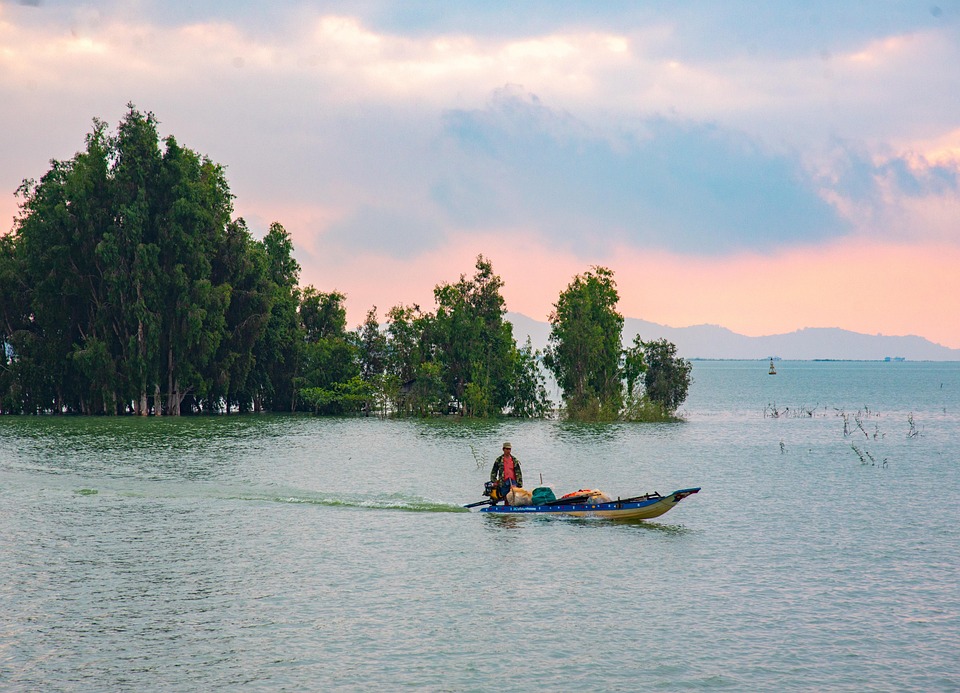
- Trolling: A technique commonly used when fishing from a boat, where lures are dragged behind to entice species like trout and pike during their seasonal migrations.
- Float Fishing: The use of a float allows anglers to keep bait suspended at specific depths, making it easier to target fish that feed at various water levels.
Ethics and Conservation in Freshwater Fishing
Today, more than ever, the responsibility of preserving aquatic ecosystems is critical. “The Freshwater Fisherman’s Handbook” stresses the importance of ethical fishing practices, including:
- Catch and Release: Techniques for safely releasing fish back into the water to ensure their survival, promoting sustainability.
- Respecting Regulations: Anglers are encouraged to stay informed on local fishing regulations, including size and creel limits, to protect fish populations.
- Minimizing Environmental Impact: Best practices are outlined for reducing litter and preserving natural habitats while fishing.
Conclusion
The “Freshwater Fisherman’s Handbook” serves as more than just a manual; it is a comprehensive guide that offers deep insights into the world of freshwater fishing. By mastering the tools, techniques, and tactics presented within its pages, both novice and experienced anglers can enhance their fishing skills while ensuring the sustainability of wild fish populations. Through a combination of practical advice and ethical considerations, the handbook fosters a greater appreciation for nature and the enjoyment that comes with fishing. Whether you’re seeking a quiet afternoon by the bank or aiming for that record-breaking catch, this handbook equips you with the knowledge necessary for success, ultimately transforming your fishing expeditions into cherished memories.
FAQs
What is the best time of year for freshwater fishing?
The best time for freshwater fishing can vary by species, but generally, spring and fall are considered optimal due to increased fish activity. Early mornings and late afternoons are also ideal times, regardless of the season.
What type of bait should I use for bass fishing?
Popular baits for bass fishing include plastic worms, jigs, and crankbaits. Live bait such as minnows or shad can also be effective, especially in warmer months.
Do I need a fishing license to fish in freshwater?
Yes, most states require anglers to possess a fishing license. It’s essential to check local regulations regarding licensing and specific fishing rules applicable in your area.
What is catch and release fishing?
Catch and release fishing involves catching fish and returning them to the water unharmed. This practice helps maintain fish populations and promotes sustainable fishing.
How can I ensure my fishing tackle lasts?
Regular cleaning and maintenance of your tackle are crucial. Rinse your rods, reels, and tackle with fresh water after fishing, especially after saltwater trips, to prevent corrosion and wear.
- bass fishing
- Bluegill Fishing
- carp fishing
- catfish fishing
- Crappie Fishing
- freshwater angling
- freshwater bait fishing
- freshwater fishing
- freshwater fishing gear
- freshwater fishing guides
- freshwater fishing species
- freshwater fishing techniques
- freshwater fishing tips
- freshwater fly fishing
- freshwater spinning fishing
- inland fishing
- lake fishing
- lakes fishing
- largemouth bass fishing
- muskie fishing
- panfish fishing
- Perch Fishing
- pike fishing
- pond fishing
- reservoir fishing
- reservoirs fishing
- river fishing
- rivers fishing
- Salmon Fishing
- smallmouth bass fishing
- stream fishing
- Tilapia Fishing
- Trout Fishing
- Walleye Fishing








Leave a comment