










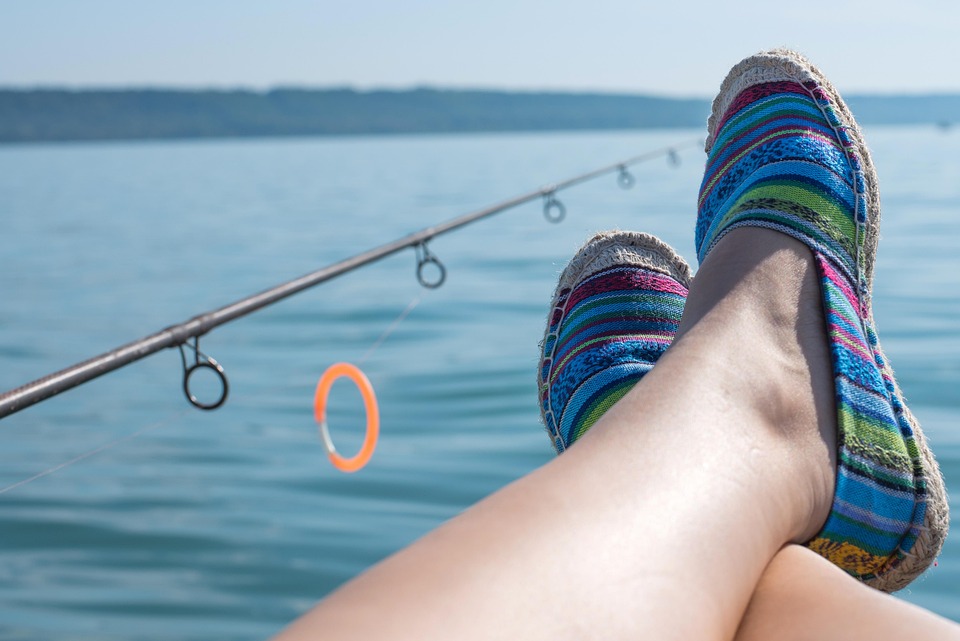


Introduction to Shore Fishing
Shore fishing is a captivating way to experience the thrill of angling without the complexities of boat fishing. It opens up vast opportunities for anglers of all skill levels to connect with nature, unwind by the water, and perhaps reel in the catch of a lifetime. Whether you’re standing on a rocky coastline, a sandy beach, or even a pier, shore fishing can deliver a satisfying and fulfilling experience.
Understanding the Basics
The Equipment You Need
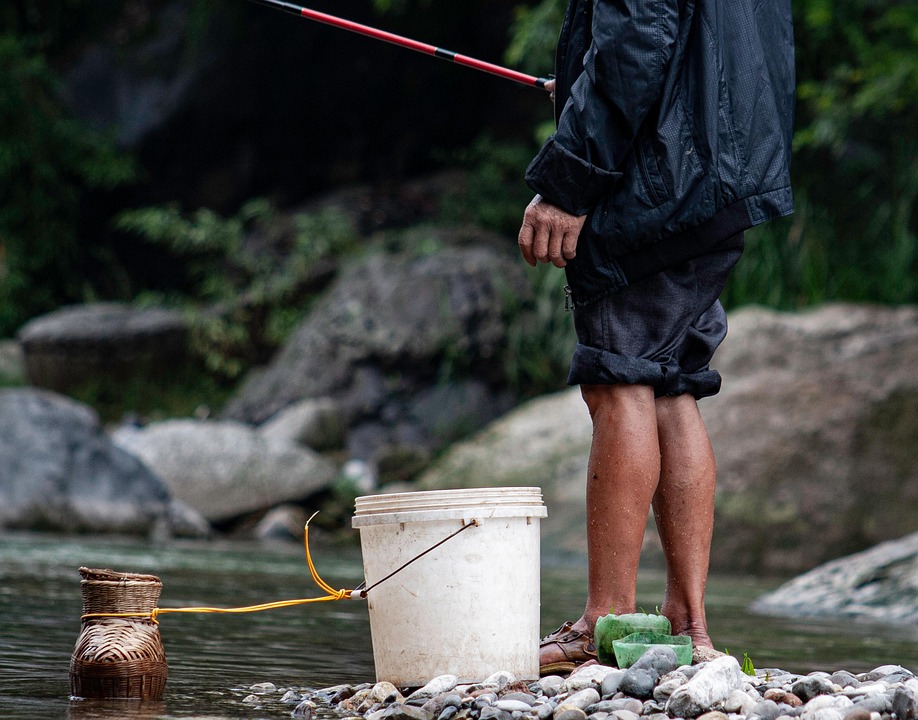
Having the right gear is essential for successful shore fishing. Here are the fundamental components:
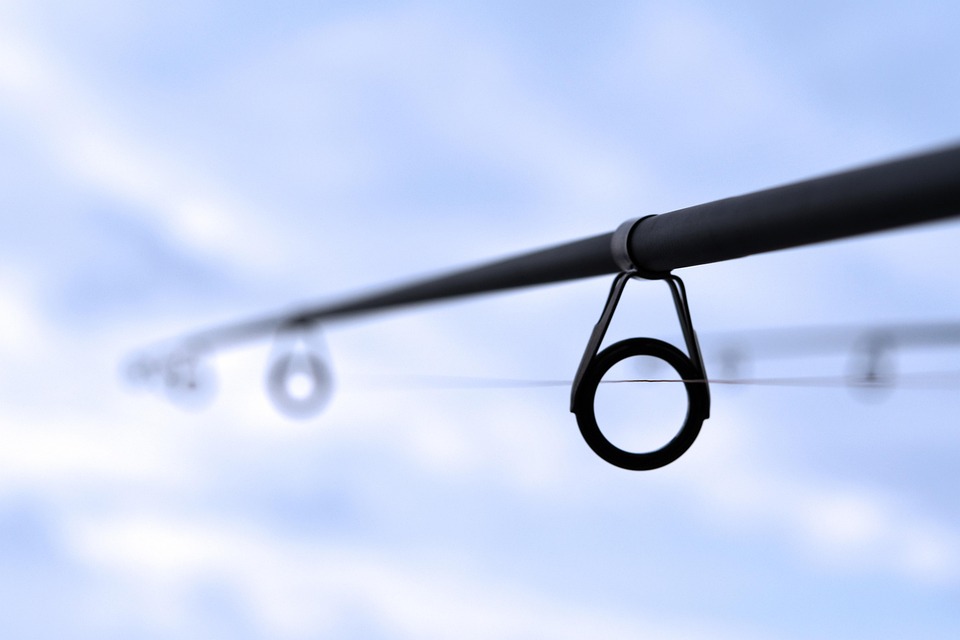
- Rod and Reel: A medium to medium-heavy spinning rod, typically between 6-8 feet, provides versatility. Pair it with a quality spinning reel matched to your line weight.
- Fishing Line: Monofilament or braided line is best. A breaking strength of 10-20 lbs generally suffices for most species.
- Hooks and Lures: Depending on your target species, you will need a variety of hooks (sizes 1-4) and lures, which can range from soft plastics to spoons and jigs.
- Terminal Tackle: Bobbers, sinkers, and tackle boxes to store your gear effectively.
- Safety Gear: Always include a first-aid kit, sunscreen, and appropriate clothing for environmental conditions.
Choosing the Right Location
The location you choose can significantly impact your success rate. Here are some popular shore fishing spots:
- Beaches: These often provide access to fish such as surf perch and striped bass.
- Rocky Shores: Casting from rocky outcrops can yield catches like wrasse and mackerel.
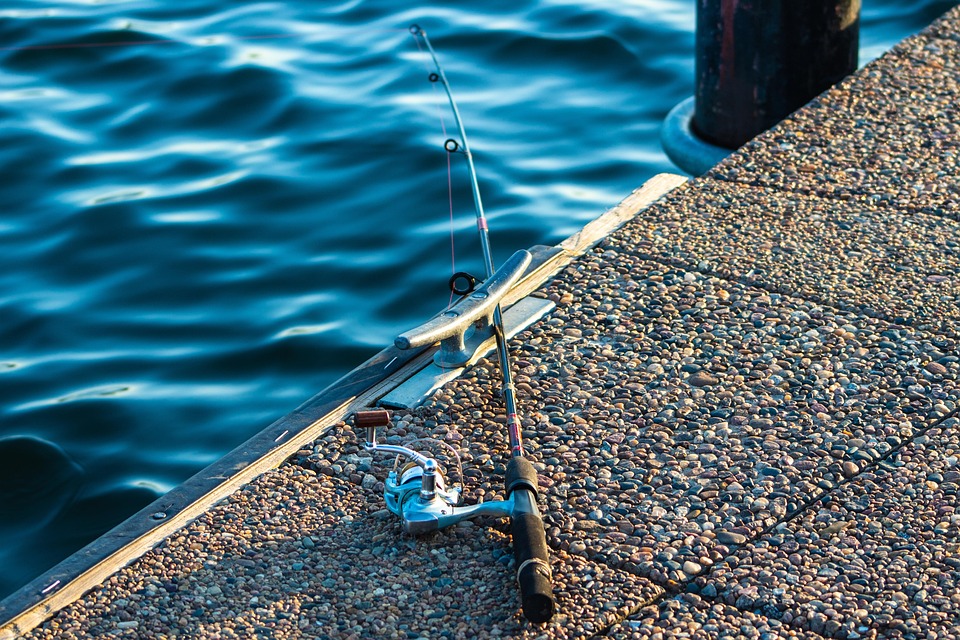
- Piers and Jetties: These structures tend to attract fish looking for shelter and can be hotspots for various species.
- Estuaries: The mix of salt and fresh water draws in a variety of fish, such as flounder and redfish.
Timing is Everything
Successful shore fishing hinges on understanding the tides and the time of day when fish are most active.
The Influence of Tides
Fishing during the incoming tide or slack tide can enhance your chances of a catch. As water levels rise, fish become more active, making their way into shallower waters to hunt for food.
Best Times of Day
Early morning and late afternoon are typically the most fruitful times for shore fishing. During these hours, fish are actively feeding, and your chances of hooking up increase dramatically.
Techniques for Success
Bait Fishing
Live or cut bait is excellent for attracting a variety of species. Options include:
- Shrimp: Especially effective in warmer months.
- Sand Fleas: Ideal for catching surf fish.
- Squid: Attracts a wide range of predatory fish.
Using a simple egg sinker rig can help keep your bait at the right depth, while avoiding tangles with underwater structures.
Spin Fishing
This technique uses lures to mimic the movement of baitfish. Effective lures include:
- Soft Plastics: Versatile and can be rigged in various ways.
- Topwater Lures: Create surface disturbance that attracts predatory fish.
- Jigs: Heavy jigs work well in deeper waters or strong currents.
Catch and Release Practices
For sustainable fishing, adhering to catch and release practices is paramount. Here are some tips:
- Handle fish gently and wet your hands before touching them.
- Use barbless hooks to minimize injury.
- Avoid prolonged air exposure; attempt to get the fish back into the water as quickly as possible.
Local Regulations and Conservation
Before you head out, it’s vital to understand local fishing regulations, as these can vary widely by location. Make sure to check:
- Licensing requirements
- Size and bag limits for different species
- Seasonal restrictions or protected areas where fishing is not allowed
Being a responsible angler includes following these guidelines and promoting conservation efforts to maintain healthy fish populations.
Conclusion
Shore fishing offers an accessible gateway into the world of angling, rewarding enthusiasts with not only the thrill of the catch but also the serenity of nature. With the right equipment, techniques, and respect for the environment, you can make lifelong memories along sandy beaches, rocky shores, and bustling piers. As you embark on your shore fishing journey, remember that patience and practice are your greatest allies. Enjoy the process, respect nature, and may your next cast lead you to a fantastic catch!
FAQs
What fish can I catch while shore fishing?
The species you can catch varies by region, but common shore fishing targets include bass, snapper, mackerel, and flounder.
Do I need a fishing license for shore fishing?
Yes, most regions require anglers to have a fishing license. Check your local regulations for specific requirements.
What is the best bait for shore fishing?
Live bait such as shrimp or sand fleas and lures like soft plastics are generally effective choices for shore fishing.
When is the best time to go shore fishing?
Early morning and late afternoon during incoming tides are typically the most productive times for shore fishing.
How can I practice catch and release?
To practice catch and release, handle fish gently, minimize air exposure, and use barbless hooks to reduce injury. Make sure to wet your hands before touching the fish.
- barracuda fishing
- beach fishing
- big game fishing
- bluewater fishing
- boat fishing
- coastal fishing
- deep ocean fishing
- deep sea fishing
- drift fishing
- grouper fishing
- jigging fishing
- kingfish fishing
- mahi mahi fishing
- marlin fishing
- ocean fishing
- offshore fishing
- pier fishing
- reef fishing
- sailfish fishing
- saltwater angling
- saltwater fishing
- saltwater fishing guides
- shark fishing
- shore fishing
- snapper fishing
- sport fishing
- surf fishing
- trolling fishing
- tuna fishing











Leave a comment