








As the crisp air of early spring begins to settle in, avid anglers are already gearing up for one of the most anticipated events of the year: salmon fishing season. This cherished tradition not only serves as a chance for leisure and relaxation but also offers an opportunity to connect with nature and showcase fishing skills. With the season about to kick off, let’s delve into what you need to know to prepare properly and optimize your salmon fishing experience.
The Ecological Importance of Salmon
Before we dive into fishing techniques and gear, it’s crucial to understand the ecological significance of salmon. Salmon are keystone species in many aquatic ecosystems, playing an essential role in nutrient cycling from ocean to freshwater. Their life cycle—spawning in freshwater, migrating to the ocean, and returning to their birth streams—contributes nutrients to both marine and terrestrial ecosystems.
Furthermore, salmon serve as a critical food source for numerous wildlife, including bears, eagles, and human communities. The health of salmon populations can indicate the overall health of aquatic ecosystems, making their conservation a priority.
The Optimal Timing for Salmon Fishing
Understanding when to go fishing is key to a successful season. Salmon generally follow seasonal migrations, with their movements largely influenced by water temperature, river flows, and spawning behavior. Here’s a brief timeline of the salmon fishing season:
- Spring (April – June): This period marks the beginning of the fishing season for many species, including Chinook and Coho salmon. As they migrate upstream, anglers have opportunities to catch them in rivers and estuaries.
- Summer (July – August): This is typically the peak fishing season. Salmon are abundant and actively seeking food, making them more accessible to anglers.
- Fall (September – November): This is peak spawning season, with rivers filled with salmon. Anglers should be mindful of conservation practices during this time to protect spawning populations.
Essential Salmon Fishing Gear
Equipping yourself with the right gear is essential for a successful fishing expedition. Here’s a breakdown of must-have fishing equipment:
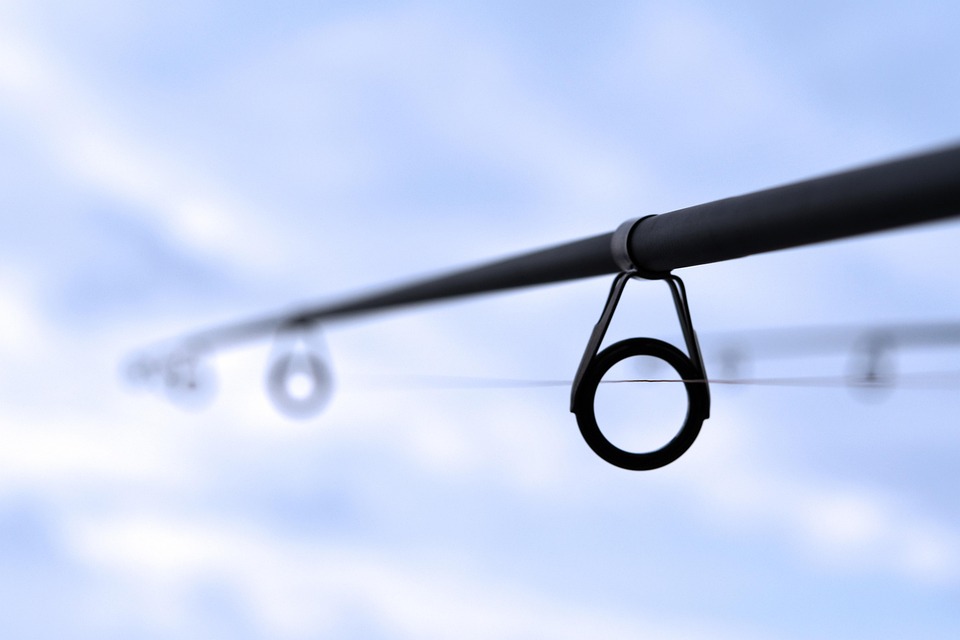
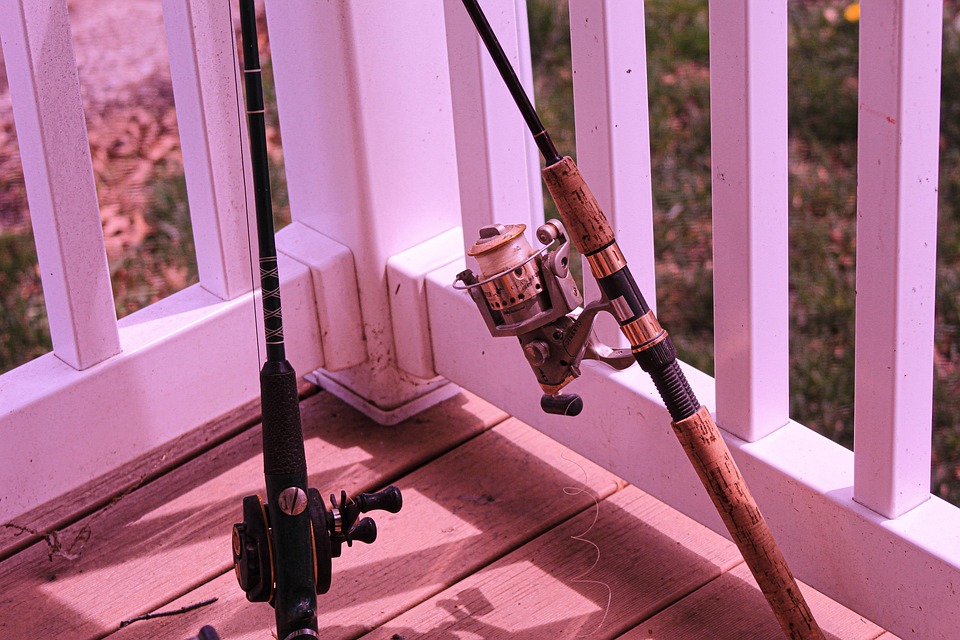
- Rods and Reels: A medium to heavy action rod is ideal for salmon fishing. Pair it with a sturdy reel that has a smooth drag system, capable of managing the powerful runs of salmon.
- Line: Use a high-quality monofilament or braided line with a test strength of at least 20-30 pounds. Braided line is favored for its sensitivity and strength.
- Baits and Lures: Common choices include salmon eggs, spinners, spoons, and jigs. Live bait is often most effective, while lures can entice salmon actively feeding.
Smart tackle choices can be the difference between reeling in a trophy fish or going home empty-handed.
Techniques for Success
Now that you have the right gear, mastering different fishing techniques can considerably enhance your chances of landing that prize catch. Here are a few popular methods:
- Drift Fishing: This technique involves letting your bait drift downstream along the current, mimicking natural food sources. It is most effective in rivers and streams during the spring as salmon are migrating.
- Trolling: Often used in deeper waters, trolling involves pulling lures or natural bait behind a moving boat. This method is particularly effective during summer when salmon are feeding at various depths.
- Fly Fishing: A favorite among purists, fly fishing requires skill and finesse. Using small flies that resemble salmon fry or adult salmon can attract fish effectively.
Conservation and Regulations
As responsible anglers, it is our duty to ensure the sustainability of salmon populations. Familiarizing yourself with local regulations is crucial. This includes:
- Understanding the seasons, size limits, and daily catch limits specific to each region.
- Practicing catch and release, especially during spawning season, to protect fragile populations.
- Using barbless hooks to minimize injury to fish that are caught and released.
Your efforts can contribute significantly to the health of salmon populations and their habitats.
Weather Patterns and Their Impact
The weather plays a pivotal role in fishing success. Changes in barometric pressure can influence fish activity; many anglers believe that salmon are more active during the rise of a barometric pressure system.
In addition, water temperature is critical. Salmon prefer cooler water, around 55 to 60 degrees Fahrenheit. Warmer weather can drive them to deeper waters, making them harder to catch. Monitoring local weather forecasts can help you plan your fishing trips effectively.
Where to Fish
Choosing the right location is essential. Here are some popular destinations known for excellent salmon fishing:
- Pacific Northwest: Oregon and Washington boast some of the best salmon fisheries in the country.
- Alaska: Known for its pristine wilderness, Alaska offers a range of fishing opportunities, especially for large Chinook salmon.
- California: Coastal waters and inland rivers in California are home to various salmon species.
Researching specific waterways can give you a competitive edge as you select your fishing spots.
Preparing for Your Fishing Trip
Finally, preparation is everything. Here are a few tips for a successful outing:
- Check Your Gear: Before heading out, ensure that your fishing gear is in top condition. Inspect rods, reels, lines, and tackle.
- Pack Smart: Bring snacks, hydration, proper clothing, sun protection, and first-aid supplies. Being prepared for the elements can enhance your overall experience.
- Practice Patience: Fishing is as much about patience as it is about skill. Enjoying the surroundings and taking your time is part of the adventure.
Conclusion
The upcoming salmon fishing season promises excitement and adventure for seasoned anglers and novice fishers alike. With proper preparation, an understanding of the ecological importance of salmon, and adherence to local regulations, you can enjoy a rewarding experience that is both fun and responsible. So, grab your gear, head to the nearest river or ocean, and get ready to cast your line into the waters teeming with life. Remember, the journey is just as important as the catch, and the memories you create will last a lifetime.
FAQs
What is the best time of day for salmon fishing?
The early morning and late evening are often considered the best times to fish for salmon, as these are when they are most active and feeding.
Do I need a fishing license for salmon fishing?
Yes, a fishing license is generally required to fish for salmon in most regions. Check local regulations for specific requirements.
What are the different species of salmon I might catch?
The most common species include Chinook, Coho, Sockeye, Pink, and Atlantic salmon. Each species has different habitats and migration patterns.
Can I use live bait for salmon fishing?
Yes, live bait such as shrimp or small fish can be very effective for salmon fishing, though regulations may vary by location.
How can I ensure the conservation of salmon while fishing?
Practicing catch and release, following local fishing regulations, and using barbless hooks are all effective ways to ensure the conservation of salmon populations.
- bait fishing seasons
- bass fishing seasons
- best fishing times
- bluegill fishing seasons
- carp fishing seasons
- catfish fishing seasons
- crappie fishing seasons
- fishing seasons
- fly fishing seasons
- inshore fishing seasons
- jigging seasons
- marlin fishing seasons
- muskie fishing seasons
- offshore fishing seasons
- panfish fishing seasons
- pike fishing seasons
- popping seasons
- sailfish fishing seasons
- salmon fishing seasons
- seasonal fishing for beginners
- seasonal fishing guides
- seasonal fishing guides worldwide
- seasonal fishing strategies
- seasonal fishing tips
- shark fishing seasons
- spinning fishing seasons
- trolling seasons
- trout fishing seasons
- tuna fishing seasons
- walleye fishing seasons
- zander fishing seasons





Leave a comment