











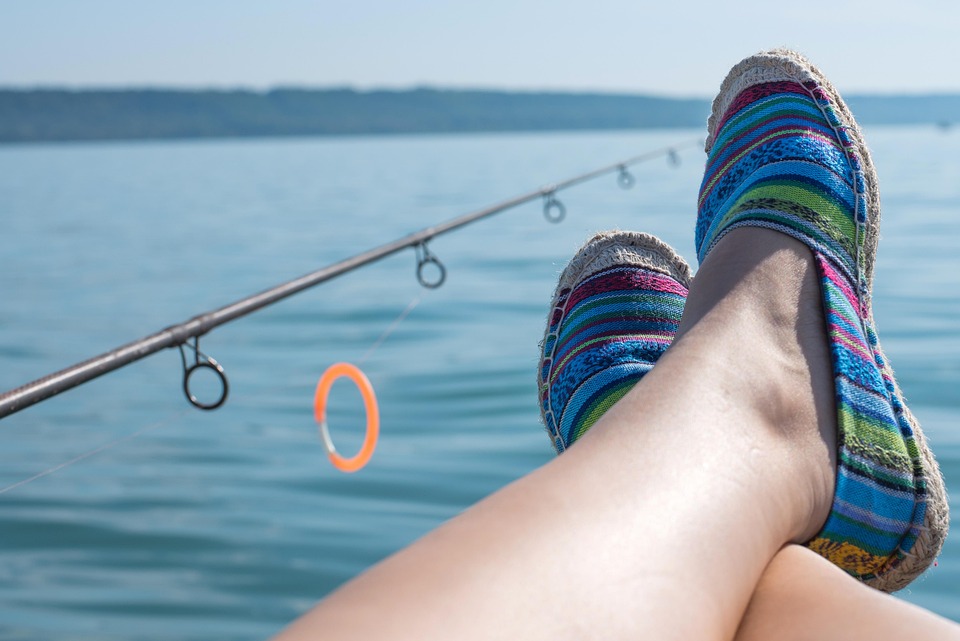


When considering a fishing adventure, many anglers are lured by the thrill of targeting the ferocious pike. Known for their aggressive behavior and sharp teeth, pike fishing creates an exhilarating challenge for both novice and seasoned anglers. This guide aims to arm new pike fishers with essential tips, strategies, and insights to ensure a successful and enjoyable experience on the water.
Understanding Pike: The Apex Predators
Pike (Esox lucius) are predatory fish native to freshwater lakes and rivers across the northern hemispheres. With elongated bodies, pointed snouts, and a mouth full of sharp teeth, they are fierce hunters that feed primarily on other fish. The thrill of catching a pike lies not only in their size—often reaching lengths of up to 48 inches—but also in their spirited fight when hooked.
Pike Behavior
Pike are opportunistic feeders and habitually inhabit weed beds, submerged logs, and rocky structures where they can ambush their prey. Understanding their feeding habits and behavioral patterns is critical for new anglers to increase their chances of success.
The best times for pike fishing are usually during early morning and late evening—times when these fish are most active. Anglers should also pay attention to seasonal changes; for instance, pike are particularly active during the spring spawn, making it an optimal time for fishing.
Essential Gear for Pike Fishing
Having the right gear can make all the difference. Here are the essential items every beginning pike fisher should consider:
1. Rod and Reel
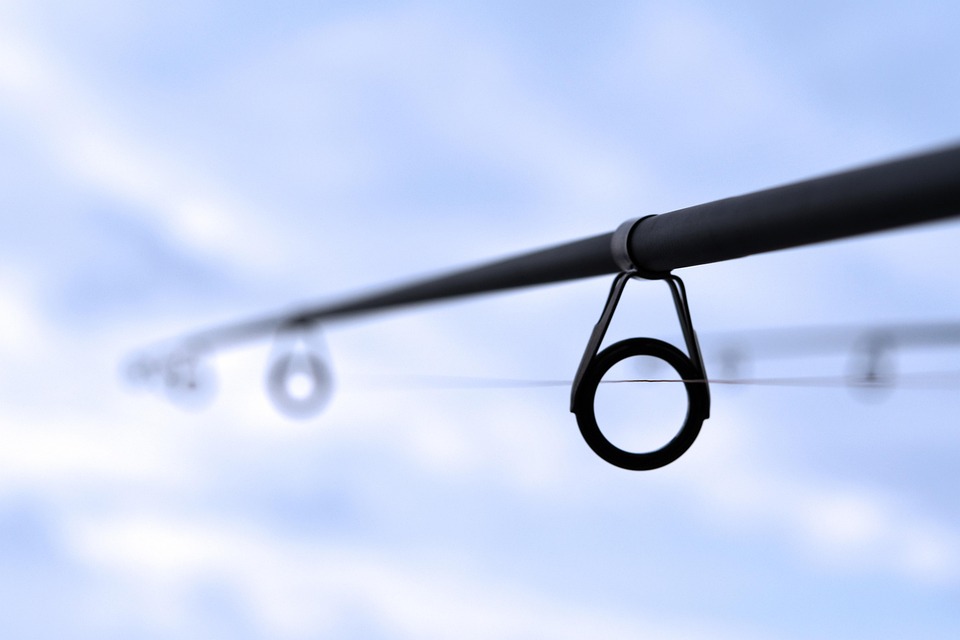
A medium to heavy spinning or baitcasting rod (7 to 8 feet) is ideal. Pike often require strength to handle their size and aggressive behavior. Pair this with a reel that can handle heavy lines and tackle.
2. Fishing Line
Opt for braided line, which offers high sensitivity and strength. A test line of 30- to 50-pound test is recommended for pike fishing to withstand the abrasive teeth of these fish.
3. Lures and Baits
Pike are receptive to a variety of lures. Some popular options include:
- Spinnerbaits: Great for covering large areas.
- Dive Baits: Mimic the movement of injured fish.
- Swimbaits: Effective and versatile.
- Live Bait: Suckers, minnows, or large shiners work wonders.
4. Terminal Tackle
Due to their sharp teeth, it’s essential to use a trace leader made of steel or fluorocarbon to prevent fish from biting through the line. Snap swivels and strong hooks should also be included in your gear.
The Art of Casting
The first cast can set the tone for your day on the water. Here are tips to enhance your casting technique:
1. Stance and Grip
Maintain a relaxed and balanced stance. Your feet should be shoulder-width apart, with your knees slightly bent. Hold the rod firmly but not too tightly; your grip should enable a fluid motion.
2. Cast Technique
Begin with a smooth, overhead cast motion. Aim to release the line at about a 10 o’clock position to achieve maximum distance and accuracy. Practice will enhance your skill over time.
3. Visualize Your Target
Before casting, take a moment to analyze the water. Identify potential hotspots, such as submerged weeds or sunken logs, where pike are likely to be lurking.
Understanding Pike Habitats
Pike thrive in various habitats. Familiarize yourself with these environments to enhance your fishing technique:
1. Weed Beds
Weed beds provide cover for pike and are excellent spots for fishing, especially during the daytime. Use lures that mimic prey hiding among the plants.
2. Drop-offs and Shelves
Pike often patrol drop-offs where deeper water meets shallows. Casting at these edges can yield striking results.
3. Structure
Objects like downed trees, rocks, and submerged structures are prime locations for pike. They love to hide and wait for unsuspecting baitfish.
Safety Considerations
While the focus is often on catching fish, safety should be a priority. Here are some precautions to consider:
1. Wear a Life Jacket
Always wear a personal flotation device, especially when fishing from a boat.
2. Be Mindful of Weather Conditions
Monitor local weather forecasts before heading out. Sudden changes can pose significant risks.
3. Handle Pike with Care
Pike have sharp teeth, so it’s vital to handle them correctly. Use a landing net for larger catches to avoid injury, and always wet your hands before touching the fish to protect its slime coating.
Post-Catch Care
If you plan to release your catch, consider these practices:
1. Minimizing Stress
Keep the fish in the water as much as possible, and handle it gently. If possible, use barbless hooks to decrease injury during release.
2. Reviving the Fish
If the pike appears lethargic after being caught, provide a gentle current by holding it in the water facing upstream. This can help revive and release the fish in a healthy state.
Conclusion
Pike fishing can be a highly rewarding experience for newcomers. As you hone your skills and learn the nuances of the sport, remember that patience and practice are key. Equip yourself with the right gear, know the habits of your target, and pay attention to safety measures. Your first casts may just be the beginning of a fantastic fishing journey!
FAQs
1. What is the best time of year to fish for pike?
Spring, specifically during the spawn (March to May), is often the best time to target pike. However, you can catch them year-round.
2. Do I need a fishing license to fish for pike?
Yes, you typically need a fishing license. Be sure to check local regulations prior to your trip.
3. Are there specific lures that work better for pike?
Pike are attracted to larger lures that mimic their prey. Spinnerbaits, swimbaits, and jerkbaits tend to be effective choices.
4. Can I catch pike from shore?
Absolutely! Shore fishing can be effective, especially where there are weed beds and structures nearby.
5. What should I do if I catch a really large pike?
For large pike, consider using a net to land them safely. Take your time, and ensure that you handle them carefully to avoid injuries.
- beginner bass fishing
- beginner carp fishing
- beginner catfish fishing
- beginner fishing advice
- beginner fishing baits
- beginner fishing gear
- beginner fishing guides
- beginner fishing guides online
- beginner fishing knots
- beginner fishing lures
- beginner fishing mistakes
- beginner fishing reels
- beginner fishing rods
- beginner fishing strategies
- beginner fishing techniques
- beginner fishing tips
- beginner fishing trips
- beginner fishing tutorials
- beginner fishing videos
- beginner fly fishing
- beginner freshwater fishing
- beginner muskie fishing
- beginner panfish fishing
- beginner pike fishing
- beginner saltwater fishing
- beginner trout fishing
- fishing basics
- fishing for beginners
- how to fish
- new anglers tips









Leave a comment