










Saltwater fishing encompasses a myriad of experiences, ranging from casting off a pier to battling huge fish miles offshore. For many, it’s a thrilling escape from daily life, a chance to commune with nature, and the opportunity to catch a tasty dinner. However, for newcomers, diving into the saltwater fishing world can be daunting. This article aims to demystify saltwater fishing with essential tips and tricks, as well as key pieces of knowledge every budding angler should know.
Understanding the Basics
Before jumping into the water, it’s crucial to grasp the foundational elements of saltwater fishing. Understanding the tides, weather patterns, and the behavior of various fish species is vital.
Understanding the Tides
Tides are the rise and fall of sea levels caused by the gravitational forces exerted by the moon and sun. They have a significant impact on fish behavior. Generally, the best times for saltwater fishing coincide with the changing tides. Many anglers believe that the hours before and after high tide are the prime times for successful fishing.
Weather Patterns
Fishing success often hinges on the weather. Fish are more active when the barometric pressure is stable or rising. Overcast days can yield better results as fish are more likely to roam about in the shallows. Conversely, fishing during front systems can be less productive, and stormy weather can drive fish into deeper water.
Essential Gear for Saltwater Fishing
Equipping oneself appropriately is one of the most crucial steps in successful saltwater fishing. Here’s a rundown of essential gear:
Fishing Rod & Reel
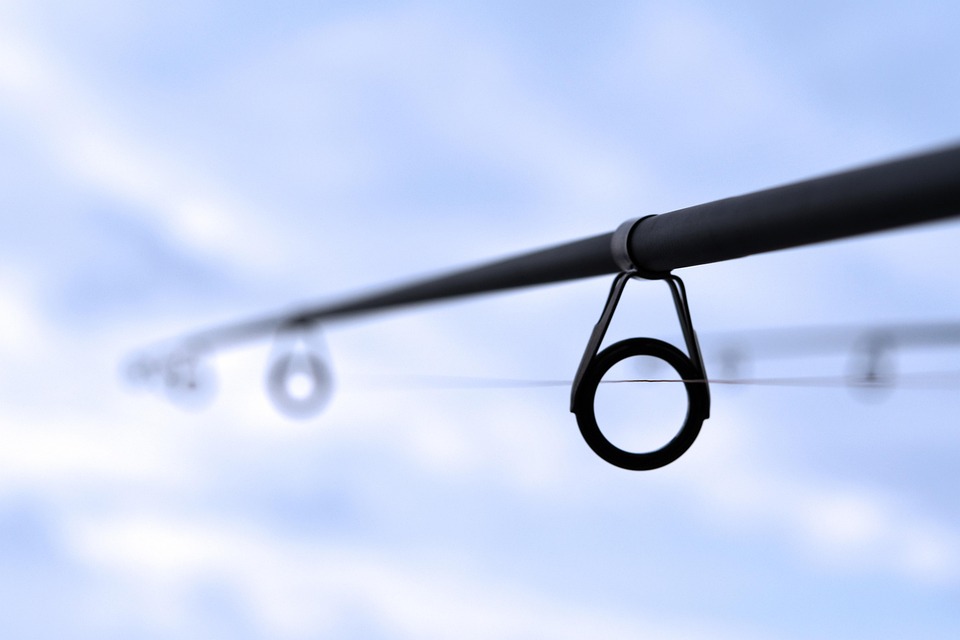
Your choice of rod and reel can make or break your fishing experience. A medium to heavy action rod is often preferred for saltwater fishing due to the size and strength of saltwater species. Spinning reels are commonly used for their versatility, while baitcasting reels provide more control over your casts.
Fishing Line
Choosing the right fishing line is essential for saltwater fishing. Braided lines are popular for saltwater due to their strength and thinner diameter, which allows for longer casts. Fluorocarbon leaders are also recommended for their invisibility underwater.
Baits and Lures
Live bait, such as shrimp, minnows, and crabs, are often the most effective, but there are numerous synthetic lures on the market. Jigs, poppers, and spoons can mimic the movements of baitfish and attract predatory species.
Techniques and Tricks for New Anglers
Once you have your gear, it’s time to learn how to use it. Here are some techniques that can enhance your saltwater fishing experience:
Cast and Retrieve
Cast and retrieve is a fundamental technique that involves casting your bait or lure out and reeling it back in steadily. Vary your retrieval speed and pauses to simulate the unpredictable movement of a wounded fish.
Drift Fishing
This technique involves letting your bait drift with the current. It’s particularly effective when fishing for species like flounder and bass. Consider using a weight to keep your bait at the desired depth.
Anchored Fishing
When targeting specific species, anchoring your boat can keep your bait in a desirable spot. Ensure you understand the tidal patterns of the area so that your bait stays in the productive zones.
Best Practices for Catch and Release
Many anglers today are advocates for sustainable fishing practices. Catch and release is a method that helps maintain fish populations for future generations. Here are some tips for effective catch and release:
Handle Fish Carefully
Minimize the time a fish spends out of the water. It’s best to wet your hands before touching fish to avoid damaging their protective slime coating.
Use Barbless Hooks
While it might seem minor, using barbless hooks can significantly increase a fish’s chance of survival after release. Barbless hooks reduce the chances of damage while removing the hook.
Local Regulations and Licenses
Before heading out, familiarize yourself with local fishing regulations and obtain the necessary fishing license. Rules can vary widely by region, including size limits, bag limits, and species restrictions. Complying with these rules is crucial for the sustainability of fish populations.
Boat Safety and Maintenance
For those looking to venture offshore, boat safety cannot be overlooked. Ensure your boat is in good working order, and always wear life jackets. Consider investing in a first aid kit and familiarize yourself with nearby shores.
Basic Maintenance
Regularly check your boat’s engine, fuel, and navigation equipment. Keeping your boat clean and well-maintained not only prolongs its life but also ensures the safety of everyone onboard.
Conclusion
Saltwater fishing is an exhilarating and fulfilling hobby that offers endless opportunities for adventure. While it may seem intimidating for newcomers, understanding the basics of tides, gear, techniques, and local regulations can dramatically enhance the experience. Remember to practice sustainable fishing, respect local ecosystems, and most importantly, enjoy your time on the water. Whether you’re casting from a boat or fishing off a pier, ensure each trip wishes you tight lines and great catches!
FAQs
What is the best time of year for saltwater fishing?
While saltwater fishing can be productive year-round, many anglers find the spring and fall months ideal due to optimal water temperatures and fish activity.
Do I need a fishing license for saltwater fishing?
Yes, most regions require anglers to have a fishing license for saltwater fishing. It’s essential to check local regulations.
What types of fish can I catch in saltwater?
Common species include bass, snapper, tuna, mackerel, and flounder. However, the types of fish available often depend on your location and fishing methods.
Do I need special gear for saltwater fishing?
Yes, specialized gear such as a saltwater rod and reel, corrosion-resistant hooks, and heavy-duty lines are recommended for saline environments.
What should I do if I catch a fish that’s too small?
Ensure a quick release. Handle the fish gently, remove the hook carefully, and return it to the water as quickly as possible.
- beginner bass fishing
- beginner carp fishing
- beginner catfish fishing
- beginner fishing advice
- beginner fishing baits
- beginner fishing gear
- beginner fishing guides
- beginner fishing guides online
- beginner fishing knots
- beginner fishing lures
- beginner fishing mistakes
- beginner fishing reels
- beginner fishing rods
- beginner fishing strategies
- beginner fishing techniques
- beginner fishing tips
- beginner fishing trips
- beginner fishing tutorials
- beginner fishing videos
- beginner fly fishing
- beginner freshwater fishing
- beginner muskie fishing
- beginner panfish fishing
- beginner pike fishing
- beginner saltwater fishing
- beginner trout fishing
- fishing basics
- fishing for beginners
- how to fish
- new anglers tips










Leave a comment