


















Fishing is a timeless pastime that offers a wealth of benefits—from thrilling moments of reeling in a big catch to the serene companionship of nature. As a first-time angler, diving into this expansive world can be both thrilling and daunting. The key lies in preparation and understanding the basics. Whether you’re casting from the shore or bobbing on a boat, this guide will equip you with essential tips to help you enjoy a rewarding fishing experience.
Why Fishing?
Fishing is more than just a hobby; it’s an activity rich in history and culture. From ancient civilizations using fishing as a source of sustenance to modern-day enthusiasts celebrating it as a sport, fishing has deep roots worldwide. Beyond the catch, it offers a unique opportunity to connect with nature, reducing stress and promoting well-being. Research by the California Department of Fish and Wildlife indicates that spending time in nature can enhance mental health, improve mood, and foster social connections.
Essential Gear for Beginners
Before setting out, you’ll need to gather the right equipment. Here’s a list of essentials for first-time anglers:
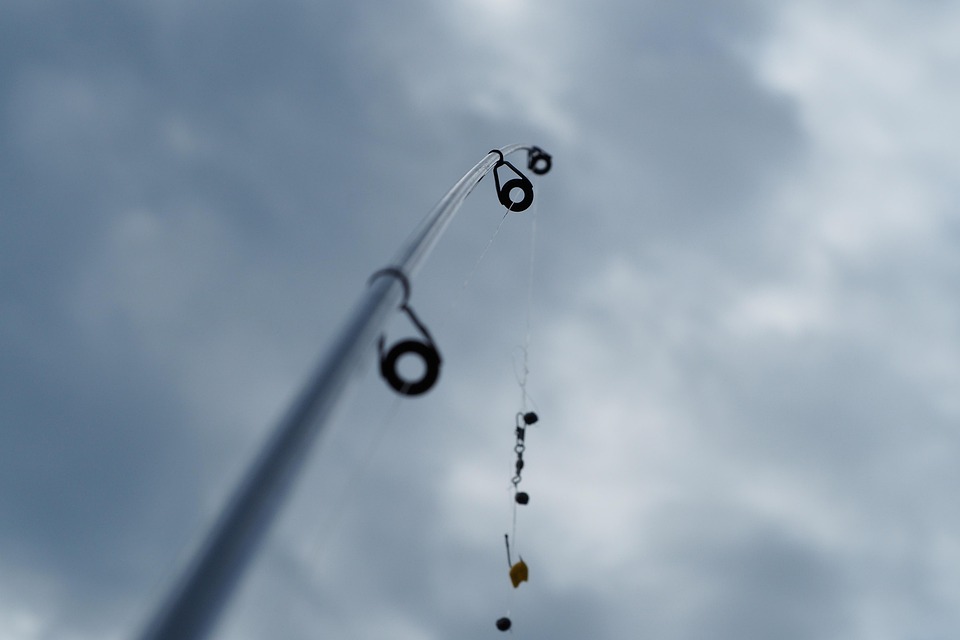
- Fishing Rod and Reel: A combination rod and reel suitable for beginners is your first step. Look for medium action spinning gear that is versatile for various fishing styles.
- Fishing Line: A 10-15 lb monofilament fishing line will work well for most freshwater fishing.
- Bait and Lures: Live bait like worms or minnows works wonders, while lures such as spinners or jigs can be effective too.
- Fishing Tackle Box: Organize your gear with compartments for your hooks, lures, and other accessories.
- Fishing License: Don’t forget to check local regulations and acquire the necessary fishing license.
- Sunglasses and Sunscreen: Protect yourself from UV rays while keeping your eyes clear to watch for fish.
Understanding Fishing Techniques
There are numerous ways to fish, and knowing a few basic techniques can enhance your chances of a successful day on the water. Here’s a quick rundown:
1. Bait Fishing
This is perhaps the simplest and most common approach for beginners. It involves using live bait or cut bait to attract fish. Attach the bait to your hook, cast into the water, and wait for a bite. Locations like local lakes or rivers are ideal for this method.
2. Fly Fishing
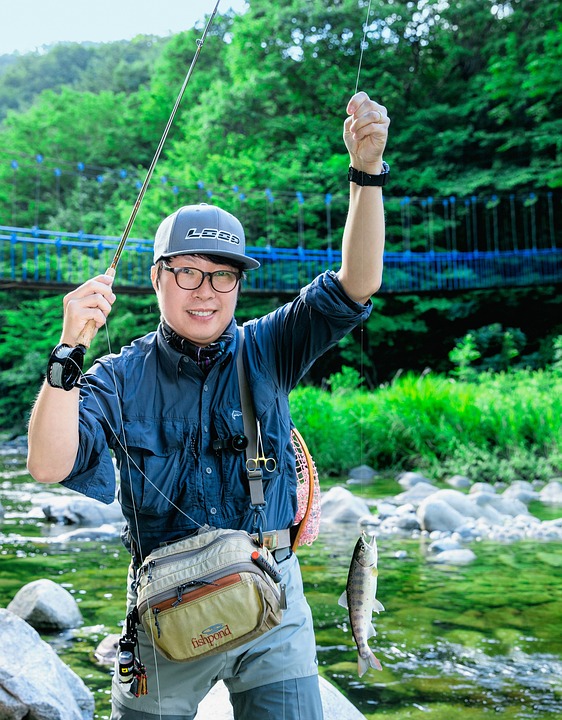
Though it may seem complex, fly fishing can be learned with practice. It incorporates specialized gear designed to mimic the movement of insect prey. Many communities offer classes for beginners to help you get started.
3. Spin Fishing
This technique involves using spinning reels to toss artificial lures. Spin fishing is particularly effective for species like bass and trout. It allows for a more dynamic fishing experience, encouraging you to actively engage with the environment.
Choosing the Right Location
Your fishing experience heavily depends on your chosen location. Here are some tips for selecting the perfect spot:
- Research Local Waters: Check local fish and wildlife websites for information on fish populations and the best spots for fishing.
- Look for Structure: Fish often congregate near underwater structures like rocks, weeds, and fallen trees, so target these areas.
- Timing is Key: Early mornings and late evenings are peak feeding times for many fish species. Aim for those golden hours for the best results.
Patience and Practice
Fishing is as much about patience as it is about skill. The thrill of the catch can often be outweighed by the waiting game. Accept that not every trip will yield a catch. Instead, focus on honing your skills. Practice casting your line, reeling in, and setting the hook. Each outing is a valuable learning experience.
Understanding Fish Behavior
Knowing how fish behave can greatly improve your fishing success. Fish are influenced by several factors:
- Weather: Overcast skies can lead to increased fish activity, while bright sunny days may make them less active.
- Water Temperature: Different species have ideal temperature ranges for feeding. Research local species to understand their preferences.
- Time of Year: Seasonal changes can affect fish behavior. Spring is often a prime time for fishing as fish become more active after winter.
Catch and Release Practices
As more anglers take to the water, responsible fishing practices become critical in maintaining sustainable fish populations. Consider adopting catch and release strategies. If you choose to keep your catch, follow local regulations regarding size and quantity limits. This ensures a balanced ecosystem for future generations of anglers.
Conclusion
Fishing can be an enriching adventure, providing an escape into nature while honing your skills. As a first-time angler, arm yourself with essential gear, understand fishing techniques, and choose your locations wisely. Remember, each moment on the water is about enjoying the journey rather than merely focusing on the catch. Whether you find joy in the tranquility of waiting for a bite or the thrill of reeling in your first fish, there’s no denying that fishing fosters a unique bond with nature. Embrace the process, practice patience, and soon you’ll find yourself hooked on fishing, reeling in more than just fish— you’ll be reaping the rewards of tranquility and connection to the natural world.
FAQs
1. Do I need a fishing license as a beginner?
Yes, it is essential to check local regulations and acquire a fishing license before you start fishing. Fishing without a license can lead to penalties.
2. What type of fish can I catch as a beginner?
As a beginner, you might find success with species like bluegill, trout, and catfish, which are relatively easy to catch and often found in local waters.
3. What’s the best time of year to start fishing?
Spring and early summer are great times for beginners, as fish are more active during these months, taking advantage of warmer water temperatures.
4. What should I do if I don’t catch anything?
Don’t be discouraged! Fishing requires a lot of patience. Focus on practicing your skills, learn from the experience, and enjoy the nature around you.
5. Can I fish from the shore?
Absolutely! Many beginners successfully fish from the shore. Look for public access points on lakes and rivers where fishing is allowed.
- beginner bass fishing
- beginner carp fishing
- beginner catfish fishing
- beginner fishing advice
- beginner fishing baits
- beginner fishing gear
- beginner fishing guides
- beginner fishing guides online
- beginner fishing knots
- beginner fishing lures
- beginner fishing mistakes
- beginner fishing reels
- beginner fishing rods
- beginner fishing strategies
- beginner fishing techniques
- beginner fishing tips
- beginner fishing trips
- beginner fishing tutorials
- beginner fishing videos
- beginner fly fishing
- beginner freshwater fishing
- beginner muskie fishing
- beginner panfish fishing
- beginner pike fishing
- beginner saltwater fishing
- beginner trout fishing
- fishing basics
- fishing for beginners
- how to fish
- new anglers tips









Leave a comment