



















For many anglers, few things rival the thrill of reeling in a trophy catfish. These behemoths, often weighing over 20 pounds, present a unique challenge and a sense of accomplishment to those who manage to catch them. The keys to success span various techniques, ranging from bait selection to understanding catfish behavior.
Understanding Catfish Behavior
Before diving into advanced techniques, it’s essential to understand the behavior of catfish. These creatures are primarily bottom feeders that thrive in a variety of environments, from lakes and rivers to reservoirs and ponds. They are known for their sensitivity to sound and vibrations, which can affect their feeding patterns.
Feeding Times: Catfish are opportunistic feeders and tend to be more active during low light conditions, particularly dusk and dawn. Understanding their feeding patterns is crucial, as fishing at the right times increases your chances of landing a trophy.
Gear and Equipment for Trophy Catfish
Having the right equipment is paramount for successful catfishing. Here’s a detailed breakdown:
Rod and Reel
When targeting trophy catfish, you’ll need heavy-duty gear to withstand their size and strength:
- Rod: A medium to heavy-action rod at least 7 feet long will provide the leverage needed to handle large fish.
- Reel: A baitcasting reel with a strong drag system is ideal for pulling in big catfish effectively.
Line and Terminal Tackle
A strong line is essential to prevent break-offs during the fight:
- Line: Use a braided line with a minimum of 50-pound test for durability. Monofilament can also be used but may be less resistant to abrasions.
- Hooks: Circle hooks ranging from 5/0 to 10/0 are preferred for larger catfish, offering better hook-set rates without gut-hooking the fish.
- Sinkers: Use sliding sinkers or egg sinkers that allow the fish to pick up the bait without feeling resistance.
Bait Selection: The Secret Sauce
Choosing the right bait can make or break your fishing trip. Trophy catfish are notorious for their diverse diets. Here are recommended baits:
Naturally Sourced Baits
- Live Bait: Large shad, bluegill, or goldfish are exceptional live baits. They mimic natural prey and are irresistible to big catfish.
- Cut Bait: Fresh cut bait from species like herring, carp, or other fish works effectively. The scent disperses in the water, drawing catfish in.
Prepared Baits
- Stink Bait: Commercial stink baits or homemade recipes often yield success, especially in warmer months.
- Dip Bait: These are formulated to stick onto sponges or specialized dip worms, attracting catfish through scent.
Advanced Fishing Techniques
Mastering different fishing techniques can enhance your chances of catching trophy catfish:
Drift Fishing
Drifting allows you to cover a wide area of water, increasing your chances of encountering catfish. You can do this by:
- Using a drift sock to slow down your boat.
- Adjusting your bait depth depending on fish activity.
- Drifting over known catfish habitats such as ledges and drop-offs.
Slip Bobber Fishing
This method allows you to present bait at various depths while keeping it suspended and visible:
- Thread a slip bobber onto your line followed by a stop knot.
- Adjust the depth according to the location of the fish, ensuring your bait is at the right level.
Jug Fishing
Jug fishing is a popular method for targeting large catfish in open waters:
- Use plastic jugs with hooks attached to the lines.
- Set them in known catfish areas and return later to check for catches.
Bank Fishing
Set up near the banks where fish forage and spawn:
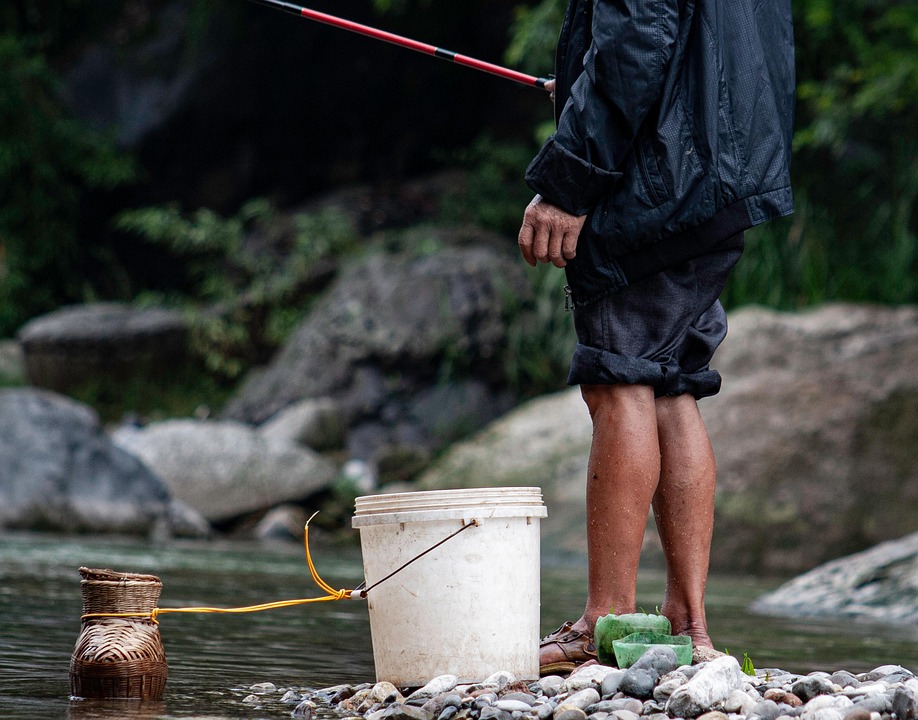
- Cast your line near structure such as fallen trees or rocks.
- Use bait that matches the natural food source in the area.
The Role of Technology in Catfish Fishing
Modern technology has transformed the way anglers pursue trophy catfish:
Fish Finders
Investing in a quality fish finder can help you locate catfish by revealing underwater structures and schools of fish:
GPS and Mapping
Using GPS allows you to mark successful spots for future reference, thereby improving your chances of repeat success.
Safety Considerations
While catfishing can be an exhilarating experience, safety should always come first:
- Wear a life jacket, especially when on a boat.
- Keep emergency supplies on board, including a first-aid kit and food/water.
- Be aware of weather conditions and always plan your trips with safety in mind.
Conclusion
Mastering the art of catching trophy catfish requires a combination of the right gear, bait, techniques, and the ability to read the water. Through understanding catfish behavior and leveraging advanced methods like drift fishing and jug fishing, anglers can significantly increase their chances of landing that coveted trophy. Remember, patience is crucial, and every angling experience is an opportunity to learn and improve your skills. So, next time you set out on the water, arm yourself with knowledge and tackle the challenge of trophy catfishing with confidence!
FAQs
1. What is the best time of year to catch trophy catfish?
The best time to catch trophy catfish is typically from late spring through early fall, focusing on dusk and dawn when they are most active.
2. How much line should I use for trophy catfish?
A minimum of 50-pound test braided line is ideal. This gives you the strength needed to handle larger fish without breakage.
3. Can I use artificial lures for catfish?
While many anglers prefer natural baits, some artificial lures that mimic live bait can attract catfish, especially in certain conditions.
4. What is the biggest catfish ever caught?
The world record for the largest catfish caught is approximately 646 pounds and was recorded in 2005 in the Yangtze River, China.
5. Is catch and release recommended for trophy catfish?
Yes, many anglers practice catch and release to help maintain fish populations, especially for large trophy fish that are impactful to the ecosystem.
- advanced catfish fishing
- blue catfish fishing
- catfish angling
- catfish bait
- catfish fishing
- catfish fishing for beginners
- catfish fishing gear
- catfish fishing guides
- catfish fishing reels
- catfish fishing rods
- catfish fishing seasons
- catfish fishing spots
- catfish fishing tactics
- catfish fishing techniques
- catfish fishing tips
- catfish hooks
- catfish rigs
- catfish species
- channel catfish fishing
- cut bait catfish fishing
- deep water catfish fishing
- flathead catfish fishing
- lake catfish fishing
- live bait catfish fishing
- monster catfish fishing
- night catfish fishing
- river catfish fishing
- shallow water catfish fishing
- stink bait catfish fishing
- trophy catfish fishing














Leave a comment