






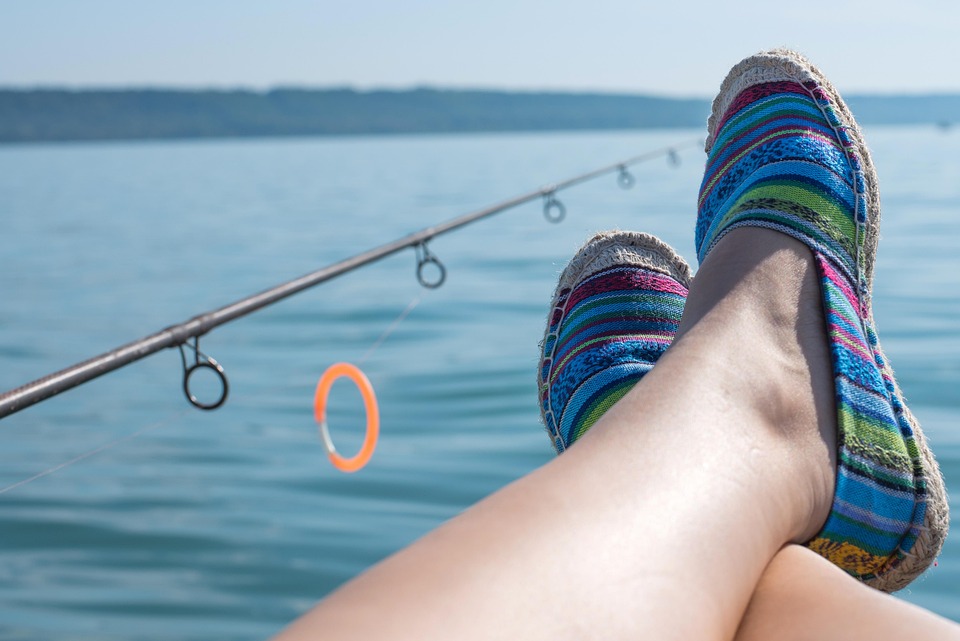


Salmon fishing is a timeless activity that brings many outdoor enthusiasts together. Whether you’re eliciting a quiet morning on the river or excitedly battling a fish during an offshore trip, salmon fishing requires skill, patience, and the right techniques. This guide will floor you with insights gathered from seasoned fishermen who navigate the waters like experts. Prepare to dive deep into the ultimate techniques, tips, and tricks for making your salmon fishing excursions successful.
The Salmon Species
Familiarizing yourself with the different species of salmon is essential to your success as a fisherman. The five primary types include:
- Chinook Salmon (King): The largest of the species, known for its rich flavor and high oil content. Typically found in both saltwater and freshwater.
- Coho Salmon (Silver): Medium in size with a vibrant silver color. They are aggressive and put up a considerable fight.
- Pink Salmon (Humpback): The smallest species, with a mild taste. Often regarded as the “gentleman’s” salmon.
- Sockeye Salmon (Red): Known for its bright red flesh, this species is highly sought after for both its taste and culinary uses.
- Chum Salmon (Dog): Recognized for its unique flavor and often used in canning.
Timing Is Everything
Understanding when to fish for salmon can significantly increase your catch rate. Salmon run at different times of the year depending on their species and location. Here are some seasonal tips:
- Spring (March – June): Excellent time for Chinook and Coho during their migratory patterns.
- Summer (June – August): Best for Sockeye and Pink salmon, especially in rivers and streams.
- Fall (September – November): The peak season for Chinook as they return to spawn.
Choosing the Right Gear
The right gear can mean the difference between a good day and a great day on the water. Here’s what professionals recommend:
Rod and Reel
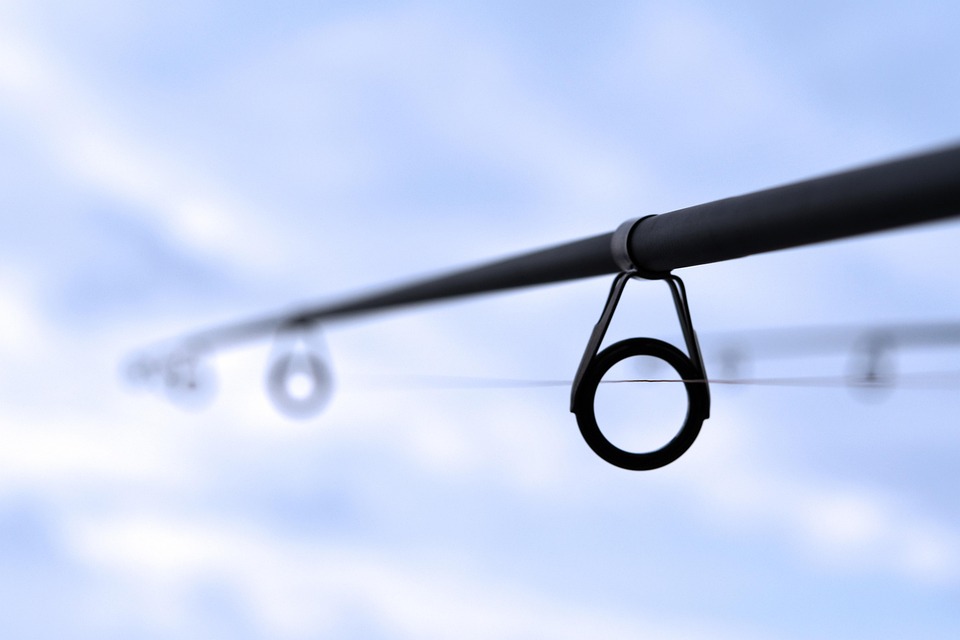
A medium to medium-heavy action rod is ideal for salmon fishing. Pair it with a high-quality reel that features a good drag system. Recommended setups include:
- Spinning Gear: Great for river and lake fishing.
- Baitcasting Gear: Preferred for targeting larger salmon in saltwater.
Bait and Lures
Choosing the right bait involves a combination of local preferences and the species you’re targeting:
- Natural Bait: Herring, sardines, and salmon eggs work wonders.
- Artificial Lures: Spoons, spinners, and jigs can entice even the cleverest fish.
Best Fishing Techniques
Successful salmon fishing often comes down to technique. Let’s look at several tried-and-true methods that pros use:
1. Drift Fishing
This method involves fishing with bait or lures while allowing the current to carry them downstream. It’s often used in rivers and streams.
2. Trolling
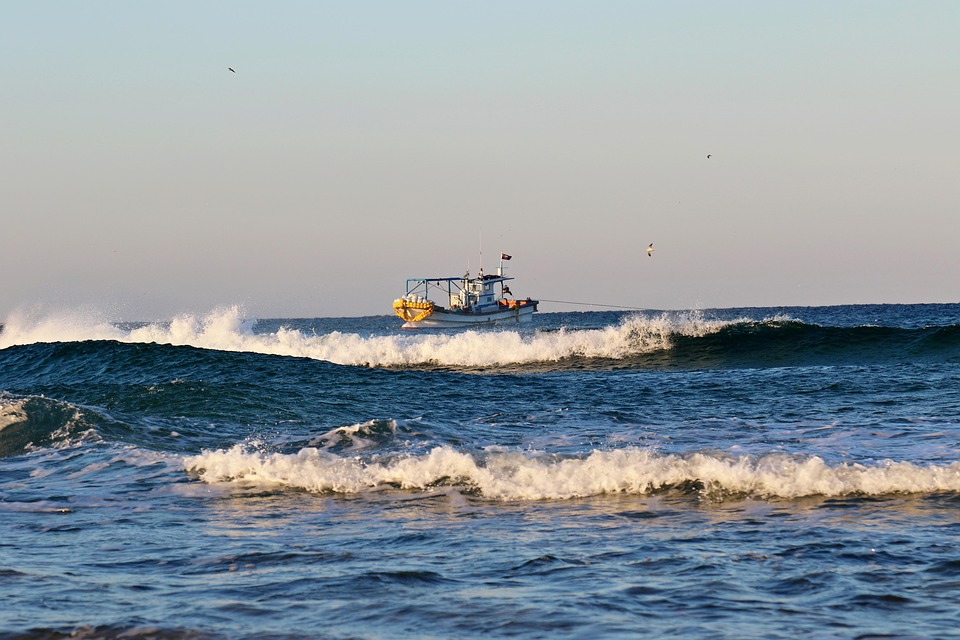
Best suited for open waters where salmon swim, trolling involves pulling bait or lures behind a moving boat. This technique allows anglers to cover vast areas, significantly increasing their chances of a successful catch.
3. Fly Fishing
Fly fishing provides a challenging yet rewarding option for targeting salmon. This technique usually requires specialized gear and is particularly effective during spawning runs.
Finding the Right Spot
Finding the best fishing locations for salmon is often about knowing where they congregate. Here are some popular places to consider:
- Rivers: Look for riffles, pools, and deeper runs.
- Lakes: Focus on inlets, river mouths, and points.
- Oceans: Look for current lines, underwater structures, and areas with baitfish.
Local Knowledge and Regulations
Before you cast your line, it’s essential to understand local fishing regulations. Each area has specific rules regarding seasons, limits, and methods allowed. Engaging with local fishing communities can provide insights into hidden spots, effective techniques, and the best times to fish.
Conservation and Ethics
As you enjoy the thrill of salmon fishing, it’s imperative to remain responsible and feel the weight of conservation on your shoulders. Practicing catch and release, adhering to local regulations, and respecting natural habitats are critical to preserving salmon populations for future generations.
Conclusion
Salmon fishing is more than just a pastime; it’s a tradition, a challenge, and a bonding experience for many. Armed with the right knowledge, gear, and techniques, you can elevate your fishing game and enjoy some of the most rewarding experiences on the water. Remember, every experience is a learning opportunity; the more time you spend fishing, the better angler you will become. Use this guide as a launching pad for your next salmon fishing adventure, and enjoy the thrill of the chase!
FAQs
1. What is the best time of day to fish for salmon?
The early morning and late evening are often considered the best times, as salmon tend to feed more actively during these periods.
2. Do I need a fishing license to fish for salmon?
Yes, most regions require an appropriate fishing license. Check local regulations before fishing.
3. What’s the best bait for salmon fishing?
This depends on the species and location. Popular baits include herring, salmon eggs, and various lures.
4. How can I identify a salmon?
Salmon have distinct features, including a streamlined body, forked tail, and various coloration depending on the species and stage of life.
5. Are there safety concerns I should be aware of while fishing?
Yes, always wear a life jacket when on the boat, be aware of your surroundings and local wildlife, and stay informed about weather conditions.
- bass fishing
- Bluegill Fishing
- carp fishing
- catfish fishing
- Crappie Fishing
- freshwater angling
- freshwater bait fishing
- freshwater fishing
- freshwater fishing gear
- freshwater fishing guides
- freshwater fishing species
- freshwater fishing techniques
- freshwater fishing tips
- freshwater fly fishing
- freshwater spinning fishing
- inland fishing
- lake fishing
- lakes fishing
- largemouth bass fishing
- muskie fishing
- panfish fishing
- Perch Fishing
- pike fishing
- pond fishing
- reservoir fishing
- reservoirs fishing
- river fishing
- rivers fishing
- Salmon Fishing
- smallmouth bass fishing
- stream fishing
- Tilapia Fishing
- Trout Fishing
- Walleye Fishing








Leave a comment