














For many anglers, the dream of landing a trophy catfish is akin to the pursuit of the Holy Grail. These behemoths, often exceeding 60 pounds, are revered not just for their size but also for their challenging catch. However, with the right knowledge, patience, and technique, you can enhance your chances of connecting with these underwater giants. This article dives deep into the strategies, tactics, and considerations necessary for successfully chasing down your dream trophy catfish.
Understanding the Species
The term “catfish” encompasses a range of species, but the most sought-after giants are the blue catfish, flathead catfish, and channel catfish. Each of these species has unique behaviors, feeding habits, and habitats that every serious angler must understand.
Blue Catfish
Blue catfish are often considered the ultimate target for angling enthusiasts. Known for their long, sleek bodies, these fish can grow to sizes exceeding 100 pounds. They thrive in larger, deeper waters, particularly in rivers and lakes, making them challenging yet exciting to pursue. They are primarily predatory and can often be found in schools, especially in warmer months.
Flathead Catfish
Flathead catfish, on the other hand, have a more distinctively broad, flattened head. They prefer structure and are drawn to areas with plenty of cover, such as submerged logs, rocks, and ledges. They are primarily nocturnal hunters, which means night fishing can yield the best results.
Channel Catfish
Channel catfish are more widespread and accessible, usually found in rivers and smaller bodies of water. While they don’t reach the record-breaking sizes of their blue and flathead counterparts, they are still a worthy opponent and provide excellent sport. Their adaptability makes them appealing for anglers at any skill level.
Choosing the Right Gear
When it comes to pursuing trophy catfish, your gear plays a crucial role. Using the right rod, reel, line, and bait can significantly impact your success rate.
Rods and Reels
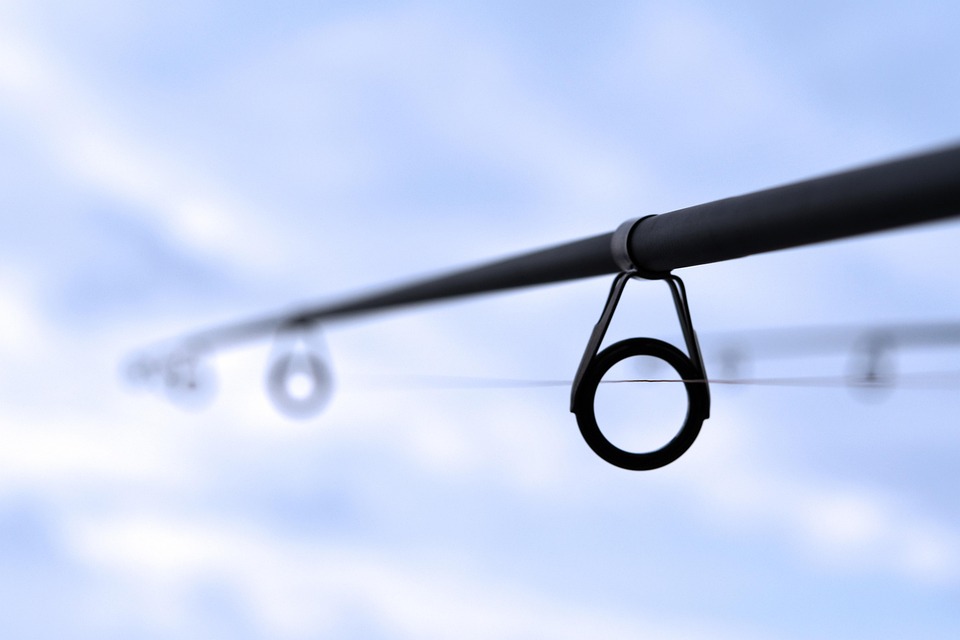
For trophy catfish, a sturdy rod is essential. Look for a medium to heavy-action rod that can handle heavy line and tackle. Spinning reels and baitcasting reels that can accommodate at least 200-300 yards of heavy monofilament or braided line are ideal.
Line
Line choice is also critical. Braided line is highly recommended due to its strength and sensitivity. A test of 50-80 pounds is usually sufficient to handle the powerful runs of a large catfish. Monofilament line can also be effective—especially in less snag-prone environments.
Bait
Choosing the right bait is often the difference between a good day on the water and landing a trophy fish. Live bait, such as shad, bluegill, or big minnows, works wonders for blue and flathead catfish, while channel catfish can be caught using a range of baits, including worms, chicken livers, or specially formulated stink baits. Always ensure your bait is fresh, as catfish have an incredible sense of smell.
Key Techniques for Success
When it comes to catching trophy catfish, strategy and technique are just as important as gear. Various methods can be employed, each offering unique advantages.
Drift Fishing
Drift fishing involves letting your bait drift naturally with the current. This method is particularly effective in rivers, where catfish often congregate at points where the current changes. Use a drift sock to slow your boat if necessary, maintaining an ideal speed as your baits flow downstream.
Anchored Fishing
For anglers targeting specific locations, anchored fishing can be the best method. This is where using sonar to spot underwater structures—like submerged trees, ledges, and holes—comes into play. Once you’ve located a promising spot, anchor your boat, cast your lines, and wait for bites.
Night Fishing
Many experienced catfish anglers recommend night fishing for increased success. As temperature drops, catfish become more active, especially flatheads. Using lights to attract baitfish can make your fishing spot more appealing to hungry predators.
Location Matters
The location you choose can mean the difference between a successful trip and a disappointing day on the water. Understanding the seasonal behavior of catfish can help you target the right areas at the right times.
Seasonal Patterns
In spring, catfish spawn, making them more accessible in shallow waters. During summer, they tend to seek deeper, cooler waters during the day, moving to shallower depths at night. In the fall, they prepare for winter, becoming voracious eaters, while winter fishing often involves targeting deeper pools where catfish hibernate.
River vs. Lake Fishing
Rivers present unique opportunities, often offering fast-moving current that can attract feeding catfish. Conversely, lakes tend to provide more structure and are often less challenging to navigate. Learning the nuances of both environments can give you a strategic advantage, allowing you to switch tactics based on conditions.
Keep Records and Learn
An often-overlooked aspect of fishing is the importance of keeping detailed records. Documenting fishing conditions, locations, bait used, and the weather can help identify patterns over time that can refine your strategies for landing trophy catfish.
Conclusion
Chasing down trophy catfish is a blend of strategy, knowledge, and a healthy respect for nature. Understanding the variations in species, selecting appropriate gear, employing effective techniques, and being attuned to the environment can significantly enhance your fishing experience. As you aggregate your skills through practice and exploration, you’ll find yourself drawing closer to the thrilling moment of reeling in the trophy catfish of your dreams.
Conclusion
Landing a trophy catfish requires not just patience but an entire arsenal of knowledge and techniques. From understanding specific species to selecting the right gear and techniques, every aspect plays a crucial role. Fishing is as much about the journey as it is about the destination; with dedication and enthusiasm, you’ll not just chase giants, but also create unforgettable memories along the way.
FAQs
What is the best time of year to catch trophy catfish?
Late spring to early summer and fall are typically the best times to catch trophy catfish, as they are more active during these periods.
What type of bait is most effective for trophy catfish?
Live bait such as shad and bluegill, as well as large cut baits and stink baits, are effective choices for targeting trophy catfish.
Do I need a fishing license to catch catfish?
Yes, a fishing license is required in most regions. Be sure to check local regulations regarding catfish fishing as well.
Is it better to fish during the day or at night?
Night fishing can be particularly effective for catching flathead catfish, while daytime fishing may yield better results for blue and channel catfish.
What equipment do I need to catch a trophy catfish?
You will need a sturdy rod and reel, heavy braided line (50-80 lb test), appropriate bait, and tackle suited for fishing in deep water or structures.
- advanced catfish fishing
- blue catfish fishing
- catfish angling
- catfish bait
- catfish fishing
- catfish fishing for beginners
- catfish fishing gear
- catfish fishing guides
- catfish fishing reels
- catfish fishing rods
- catfish fishing seasons
- catfish fishing spots
- catfish fishing tactics
- catfish fishing techniques
- catfish fishing tips
- catfish hooks
- catfish rigs
- catfish species
- channel catfish fishing
- cut bait catfish fishing
- deep water catfish fishing
- flathead catfish fishing
- lake catfish fishing
- live bait catfish fishing
- monster catfish fishing
- night catfish fishing
- river catfish fishing
- shallow water catfish fishing
- stink bait catfish fishing
- trophy catfish fishing















Leave a comment