










Fishing is not just a hobby; it’s an escape into nature, an opportunity for quiet reflection, and a chance to bond with friends and family. Many find tranquility at the water’s edge, gauging the ebb and flow of life through the ripples in their chosen fishing spot. Yet, for novices, the world of fishing can be daunting. In this comprehensive guide, we aim to demystify the art of fishing, simplify the process of casting your line, and instill a passion for the sport.
The Allure of Fishing
Fishing is one of the oldest pastimes known to humankind. It dates back thousands of years, transcending cultures and civilizations. Whether for food, recreation, or sport, fishing is deeply rooted in our history—offering one of the simplest and purest ways to connect with the world around us.
From serene lakes to roaring rivers and the vast ocean, there are countless fishing experiences waiting to be discovered. But before venturing out, it’s essential to understand the basics: equipment, techniques, and regulations.
Essential Equipment for Beginners
1. Fishing Rod and Reel
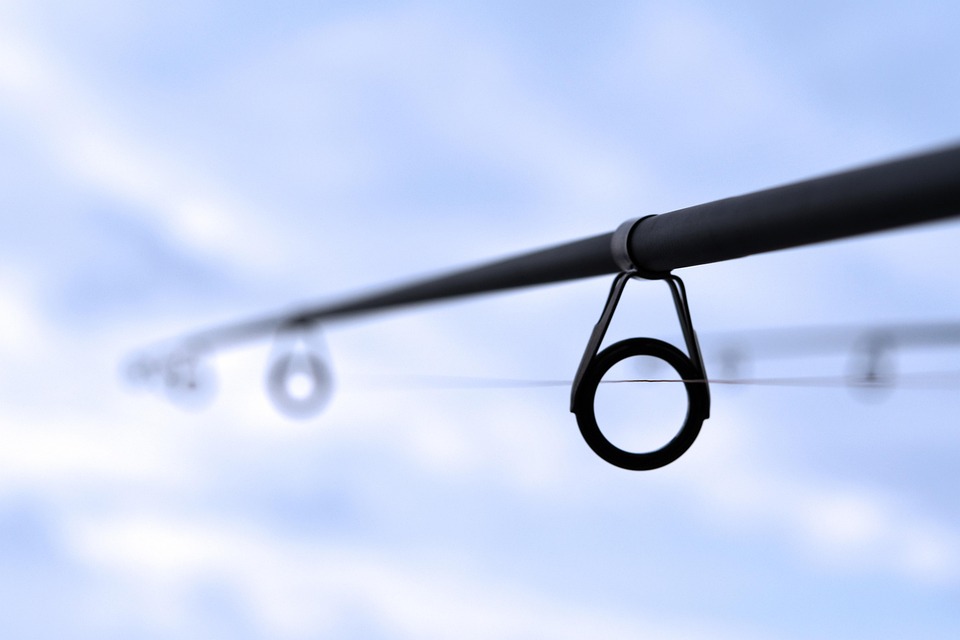
Your journey into fishing begins with selecting a rod and reel. A spinning rod is ideal for beginners due to its versatility and ease of use. Aim for a rod that is around 6 to 7 feet in length, as this will give you flexibility while casting.
2. Fishing Line
The type of fishing line you choose can significantly impact your fishing experience. Monofilament line is a good choice for beginners; it’s stretchy, easy to handle, and comes in various strengths.
3. Terminal Tackle
Terminal tackle includes the items that connect your line to your bait or lure. Essential items include:
- Hooks: Choose a variety of sizes, as different fish species require different hook sizes.
- Sinkers: These are weights that help your bait sink to the desired depth.
- Swivels: These prevent line twists and help in changing lures quickly.
4. Bait and Lures
Deciding between live bait (like worms or minnows) or artificial lures (like spinners or jigs) depends on your target species and local fishing conditions. For beginners, live bait is often more effective.
5. Fishing License
Before casting your line, ensure you have the proper fishing license. Regulations vary by region, so check local guidelines and obtain the necessary permits.
Understanding Fishing Techniques
1. Casting
Once you’re equipped, mastering the cast is vital. Here’s a step-by-step guide:
- Hold the rod with both hands, gripping near the handle with your dominant hand and the rod tip with your other hand.
- Open the bail (the metal arm on the reel) to allow line to flow freely.
- Point the rod tip towards your target and lift it to about a 45-degree angle.
- With a smooth motion, bring the rod behind you, then forward, releasing the line just as the rod reaches the desired angle.
2. Retrieving
Once your bait or lure is in the water, you must retrieve it effectively. Vary your retrieve speed and style to entice fish. Use slow, steady movements for live bait or quick jerks for lures.
3. Setting the Hook
When you feel a tug on your line, it’s crucial to set the hook properly. Pull the rod upward quickly to embed the hook in the fish’s mouth. Be prepared, as fish can be slippery!
Choosing the Right Fishing Spot
Location is critical in fishing. To increase your chances of success, consider the following factors:
- Look for structures such as fallen trees, rocks, or vegetation; these are often hiding spots for fish.
- Consider the time of day; early mornings and late afternoons are peak feeding times for many fish species.
- Observe water temperature; fish tend to thrive in specific temperature ranges depending on species.
Respecting Nature and Regulations
As a new angler, it’s paramount to respect the environment. Practice catch-and-release fishing when possible, and always adhere to local fishing regulations. Follow these ethical guidelines:
- Only keep what you need and ensure that you release fish carefully to help maintain fish populations.
- Dispose of any trash properly, leaving natural spaces as you found them.
- Be aware of designated no-fishing zones or closed seasons for certain species to ensure sustainable fishing practices.
Connecting with the Fishing Community
Fishing goes beyond the act itself; it’s about community and shared experiences. Join local fishing clubs, attend workshops, or connect with online forums to learn more and meet fellow enthusiasts. Engaging with the fishing community can enhance your skills and deepen your appreciation for the sport.
Conclusion
Fishing is a rewarding activity that blends patience, skill, and an appreciation for nature. As a beginner, mastering the basics—from selecting the right equipment to employing effective casting techniques—will set you on the path to a successful fishing journey. With time and practice, you will build the confidence to explore various techniques and even venture into more advanced methods. So gear up, cast your line, and immerse yourself in the tranquil experience that fishing offers. Remember that every angler was once a beginner, and every cast holds the promise of a new adventure!
FAQs
1. What is the best time of year to go fishing?
The best time can vary based on the species you are targeting, but generally, spring and fall provide optimal conditions for many fish due to their feeding habits during these seasons.
2. Do I need a fishing license?
Yes, a fishing license is required in most places to help manage fish populations and protect the environment. Always check local regulations before heading out.
3. What are some common fish species for beginners?
Common species for beginners include bluegill, bass, catfish, and trout. These fish are more forgiving and typically more accessible in many regions.
4. Can I fish from the shore?
Absolutely! Many successful anglers fish from the shore, especially in lakes and rivers. Just ensure that you find a clear area that allows for casting without obstructions.
- beginner bass fishing
- beginner carp fishing
- beginner catfish fishing
- beginner fishing advice
- beginner fishing baits
- beginner fishing gear
- beginner fishing guides
- beginner fishing guides online
- beginner fishing knots
- beginner fishing lures
- beginner fishing mistakes
- beginner fishing reels
- beginner fishing rods
- beginner fishing strategies
- beginner fishing techniques
- beginner fishing tips
- beginner fishing trips
- beginner fishing tutorials
- beginner fishing videos
- beginner fly fishing
- beginner freshwater fishing
- beginner muskie fishing
- beginner panfish fishing
- beginner pike fishing
- beginner saltwater fishing
- beginner trout fishing
- fishing basics
- fishing for beginners
- how to fish
- new anglers tips





Leave a comment