















Catfish fishing is a unique combination of patience, skill, and the art of persuasion. Known for their strong fighting spirit and delectable taste, catfish have become a favorite among anglers of all experience levels. Whether you’re a novice angler or a seasoned pro, understanding the nuances of catfish fishing can greatly improve your chances of landing that trophy-sized catch.
Understanding Catfish Behavior
Before diving into techniques and tactics, it’s crucial to understand catfish behavior. Catfish are bottom feeders, primarily nocturnal, and thrive in warm waters, making nighttime a prime opportunity for fishing. They are drawn to areas with ample cover, such as logs, rocks, and weed beds, where they can hide and hunt.
Choosing the Right Gear
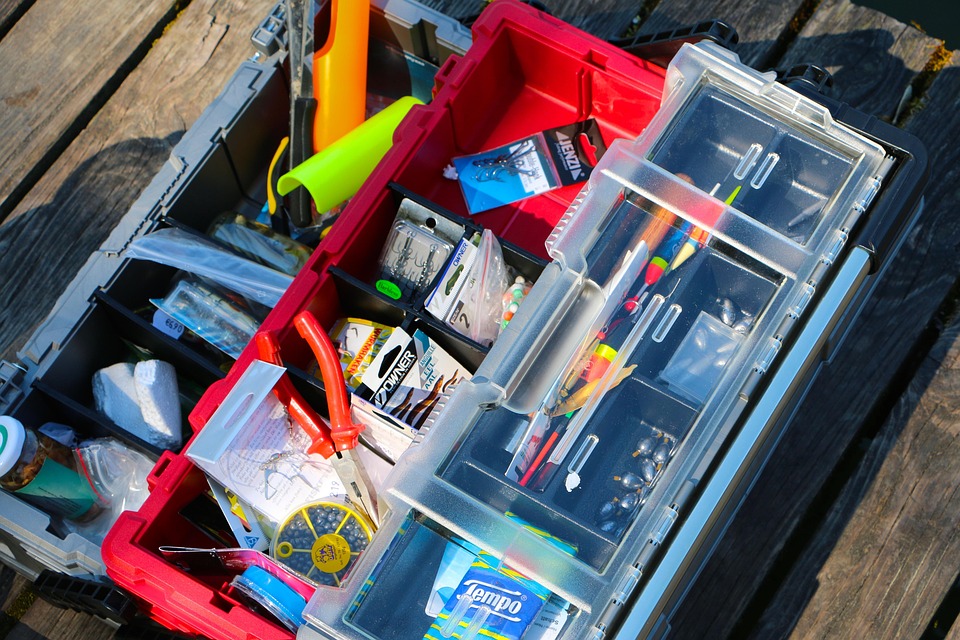
Having the right gear can mean the difference between a successful outing and a frustrating day on the water. Here’s what you need:
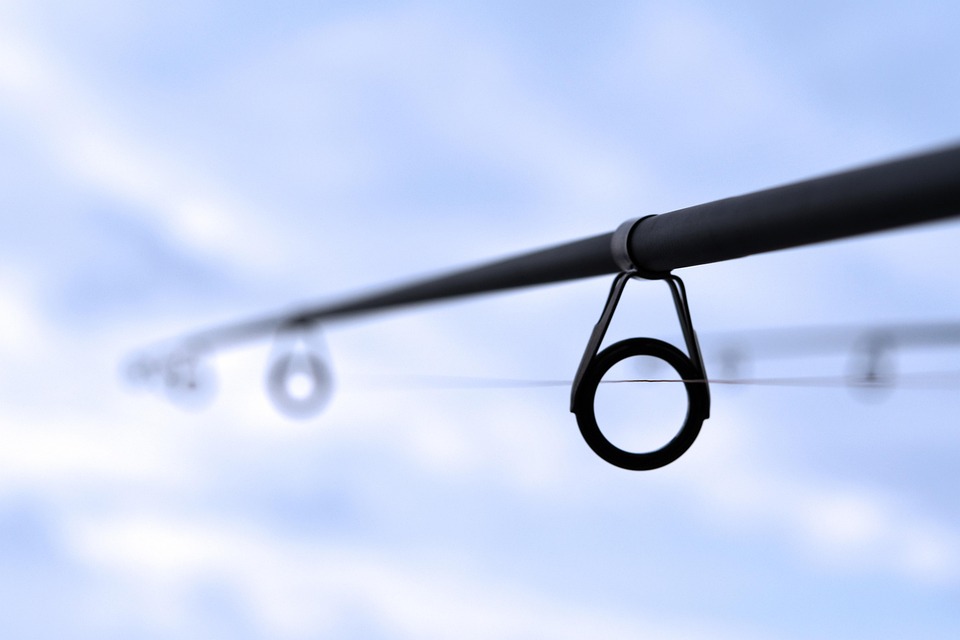
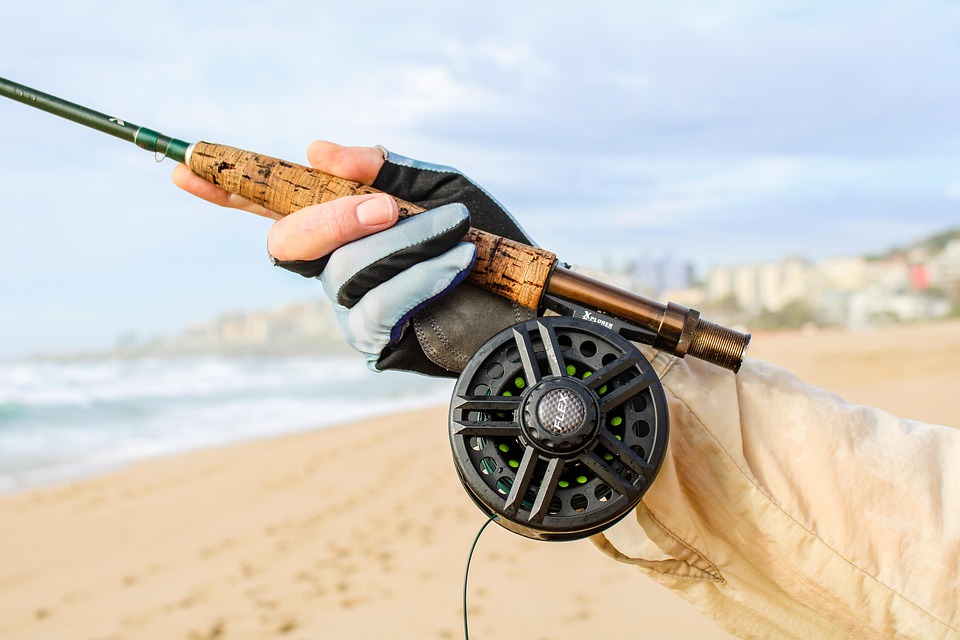
- Rod and Reel: A heavy-duty rod (at least 7 feet) paired with a robust reel is recommended, as catfish can grow large and put up a significant fight.
- Line: Use braided or monofilament line with a minimum test strength of 30 lb, especially when targeting larger species.
- Hooks: Circle hooks are a popular choice for catfish, as their design allows for a better hook-up ratio.
- Bobbers and Weights: Use slip floats and weights to keep your bait at the desired depth, particularly when fishing in deeper waters.
Types of Bait for Catfish
Choosing the proper bait is vital when pursuing catfish, as these fish are notorious for their diverse feeding habits. Here are some of the most effective baits:
- Live Bait: Shad, bluegill, and worms are often irresistible to catfish. Live bait fools them into thinking they have found an easy meal.
- Dead Bait: Cut bait from larger fish, such as perch or herring, can be particularly effective because of the scent it releases into the water.
- Prepared Baits: Store-bought dough balls, blood baits, or stink bait (made with various ingredients that produce a strong odor) can yield good results.
Fishing Techniques for Catfish
There are several effective techniques that catfish anglers can employ to maximize their catch rate:
1. Bank Fishing
Bank fishing is an accessible method for many anglers. Cast your line at varying distances from the bank and use a slip sinker to allow your bait to settle on the bottom.
2. Float Fishing
Using bobbers lets you keep your bait off the bottom where smaller fish might interfere, while also giving you the advantage of seeing bites more clearly.
3. Jug Fishing
Jug fishing involves using floating devices to suspend bait and is particularly effective in larger bodies of water. This technique allows you to cover more area and can lead to impressive hauls.
4. Trotline Fishing
This method uses a long line with multiple hooks attached, which can be placed along the bottom of rivers or lakes. Trotlines are often used in commercial settings due to their efficiency in catching multiple fish at once.
Finding the Right Location
Locating prime catfish habitats can dramatically increase your chances of success. Here are key areas to focus on:
- Deep Holes: Catfish often seek refuge in deeper areas during the day, making these locations prime for fishing.
- Near Structure: Fish around fallen trees, rocks, or piers where catfish like to hide.
- Shallow Flats: In warm weather, catfish can be found in shallow flats, especially when looking for spawning areas.
- Edges of Current: Catfish tend to congregate in areas where the water flow slows down, so fishing near eddies can be particularly fruitful.
Timing Your Fishing Trip
Catfish are predominantly nocturnal feeders, so many experienced anglers prefer to fish during the late evening into the night. However, seasonal changes can also play a significant role. In warmer months, early morning and late evening can be the best times to catch these fish, while winter may require drilling through ice to reach them.
Ensuring a Successful Catch
Once you have set up your gear, bait your hook, and cast your line, keep these tips in mind to ensure a successful catch:
- Patience is Key: Catfish may take time before they bite, so remain patient and vigilant.
- Watch for Signs: Look for activity on the surface or bubbles in the water as indicators of fish presence.
- Feel for the Bite: Be ready to respond quickly when you feel a tug on your line; catfish can swallow bait fast.
Safety and Respect for Nature
Always prioritize safety and environmental preservation when fishing. Wear a life jacket, especially when boating, and follow local fishing regulations, such as size and bag limits, to help maintain fish populations.
Conclusion
With the right gear, techniques, and understanding of catfish behavior, you can transform your fishing experience from mundane to exhilarating. Each of the tips outlined in this article can be tailored to your preferences and local conditions. Remember, the essence of fishing lies in the enjoyment of nature and the thrill of the catch. So grab your gear, find your spot, and embark on a new adventure to reel in some catfish!
Frequently Asked Questions (FAQs)
1. What is the best season for catfish fishing?
The best seasons for catfish fishing are typically late spring through summer, when the water temperatures are warmer, and catfish are more active.
2. Are catfish safe to eat?
Yes, catfish are generally safe to eat and are considered a delicacy in many cuisines. However, make sure to check local advisories regarding water quality and pollutants.
3. How do I know if I have caught a catfish?
When a catfish takes the bait, you will feel a strong tug, and the line may move or go slack as the fish swims. Catfish are known for their powerful fights.
4. Can I catch catfish during the day?
Yes, while catfish are primarily nocturnal, they can still be caught during the day, especially in shaded areas or deeper waters.
5. Do I need a fishing license to catch catfish?
In most jurisdictions, a fishing license is required to fish for catfish. Always check local regulations before your trip.
- advanced catfish fishing
- blue catfish fishing
- catfish angling
- catfish bait
- catfish fishing
- catfish fishing for beginners
- catfish fishing gear
- catfish fishing guides
- catfish fishing reels
- catfish fishing rods
- catfish fishing seasons
- catfish fishing spots
- catfish fishing tactics
- catfish fishing techniques
- catfish fishing tips
- catfish hooks
- catfish rigs
- catfish species
- channel catfish fishing
- cut bait catfish fishing
- deep water catfish fishing
- flathead catfish fishing
- lake catfish fishing
- live bait catfish fishing
- monster catfish fishing
- night catfish fishing
- river catfish fishing
- shallow water catfish fishing
- stink bait catfish fishing
- trophy catfish fishing
















Leave a comment