






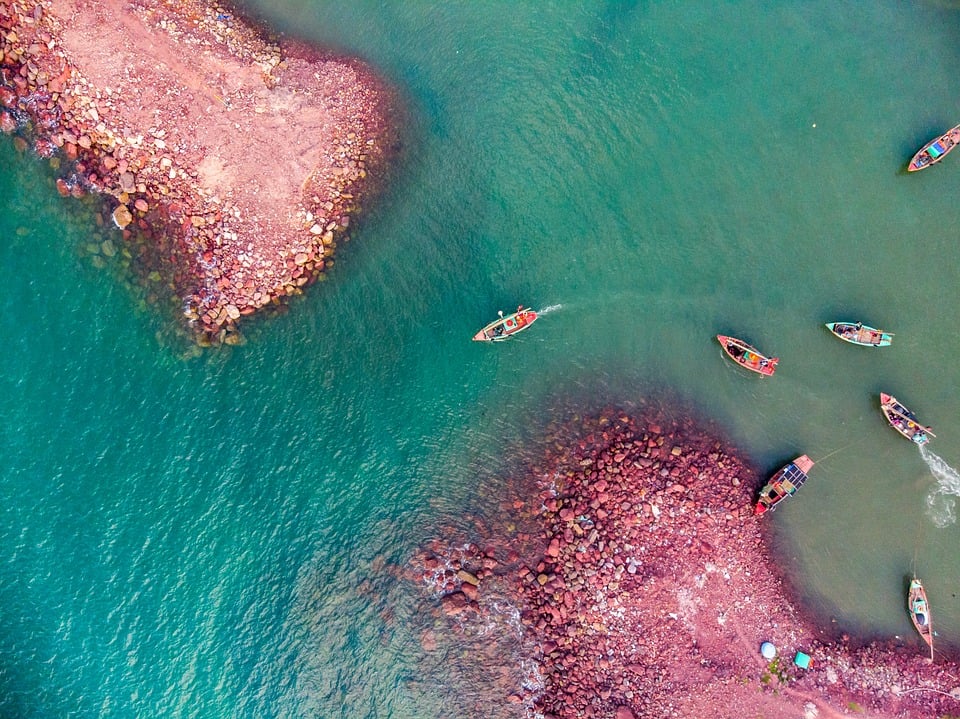
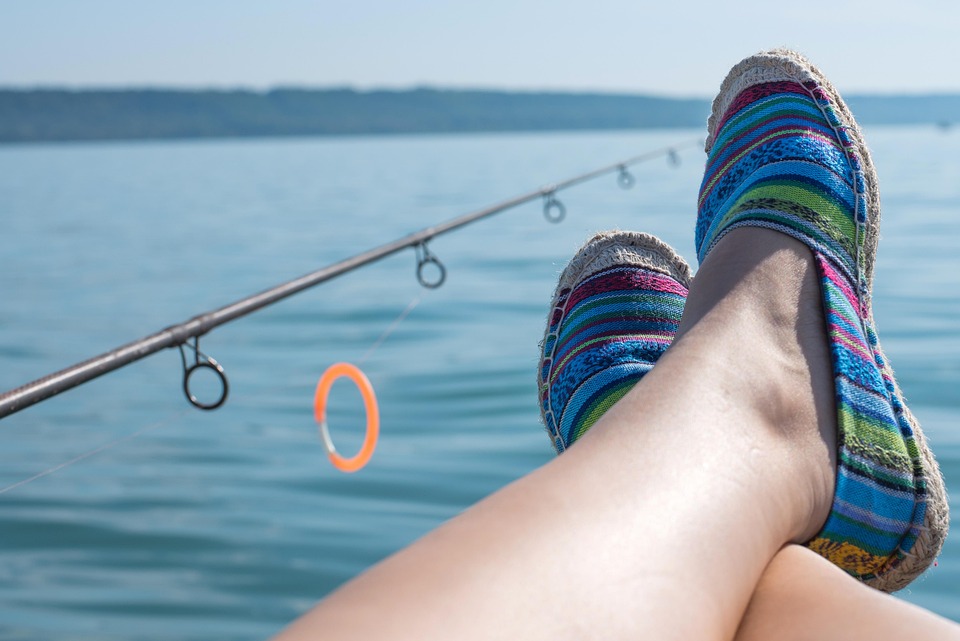

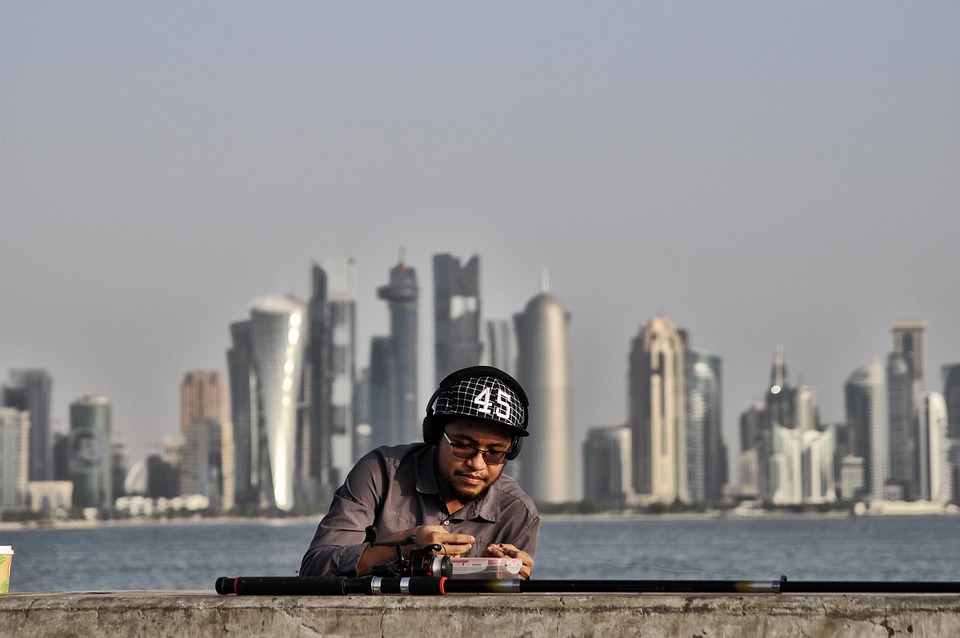
Salmon fishing is one of the most fulfilling outdoor activities, connecting anglers with nature while providing a delicious bounty for the table. As much as fishing is an art, it’s also a science; timing is essential. When it comes to salmon fishing, the best times of the year can vary significantly based on species, location, and environmental conditions. In this feature article, we will delve into the rhythms of salmon migration, identify peak times for fishing, and provide guidance for anglers of all skill levels.
Understanding Salmon Species and Their Migration Patterns
There are several species of salmon, including Chinook, Coho, Sockeye, Pink, and Chum, each with unique characteristics and spawning cycles. Understanding these species is pivotal to determining the best fishing times.
- Chinook Salmon: Also known as King salmon, Chinook are the largest species and typically migrate from late spring to early fall. Peak fishing occurs in July and August.
- Coho Salmon: Coho, or Silver salmon, often move upstream later in the year. The best times to catch them are in September and October.
- Sockeye Salmon: This species, prized for its rich flavor, generally runs in late June to early August. The peak can vary depending on local environmental conditions.
- Pink Salmon: Pink salmon have odd and even year cycles, primarily spawning every two years. The odd years see robust runs, particularly in the Pacific Northwest.
- Chum Salmon: Known for their lower oil content, Chum salmon are typically available in the late summer to fall months, with the highest catch rates in September to October.
Regional Considerations: Timing and Location Matter
While the species provides a framework for fishing times, geography plays a significant role. Here’s a brief overview of optimal fishing times across prominent salmon fishing regions:
Pacific Northwest (Washington, Oregon, and British Columbia)
This region is a salmon angler’s paradise, with diverse populations and ample fishing spots. The migratory patterns vary, but generally:
- Spring: Early runs of Chinook salmon start in March, especially in rivers like the Columbia.
- Summer: August marks the peak for Chinook and a good time for Sockeye fishing.
- Fall: Coho salmon starts to run in September, providing excellent fishing opportunities until late October.
Alaska
Alaska is famed for its world-class salmon fishing, particularly due to its large, healthy populations. Fishing seasons tend to be:
- May to August: This is the period for all species, with July being peak time for Chinook and Coho.
- August: Sockeye migrates to spawn, making it an exciting month for anglers.
California
While California has fewer salmon runs compared to the Pacific Northwest, fishing is still rewarding. The best times are:
- Fall: Coho and Chinook runs occur primarily from September to November in rivers like the Klamath.
- Winter: River fishing drops in winter, but ocean fishing for adult salmon remains viable.
Environmental Factors Influencing Salmon Migration
Environmental changes can impact salmon migration and fishing conditions significantly. Water temperature, flow rates, and even lunar cycles influence salmon behavior:
- Water Temperature: Salmon are cold-water fish, preferring temperatures between 55°F and 65°F. Warmer conditions often push them inland earlier.
- Flow Rates: After heavy rainfall, river currents can rise, which can either help salmon migrate upstream or create barriers.
- Lunar Cycles: Some anglers swear by fishing during new or full moons due to increased fish activity.
Techniques and Tips for Successful Salmon Fishing
Having the right equipment and techniques can make all the difference in your fishing success:
1. Gear and Tackle
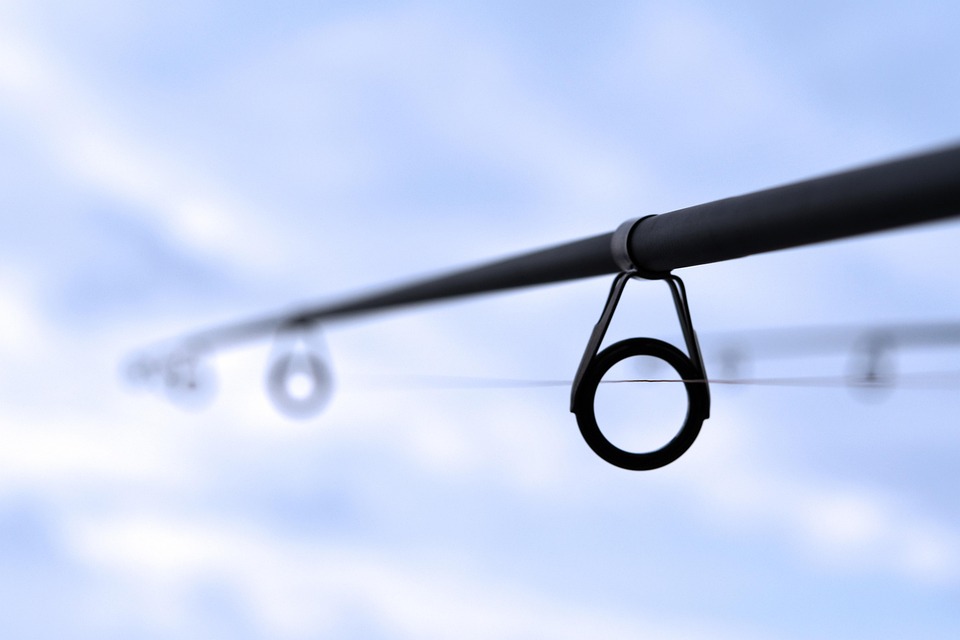
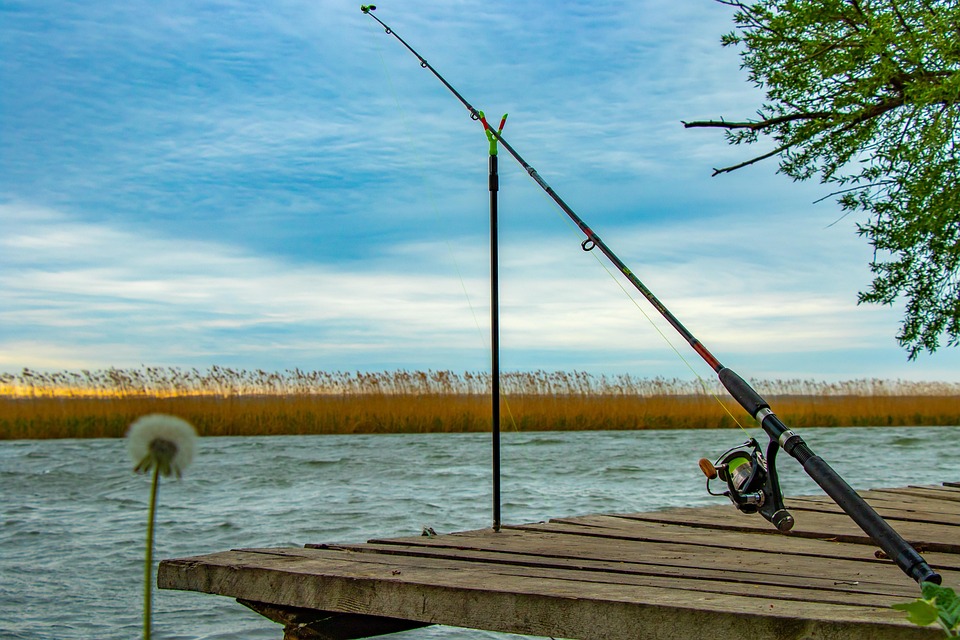
Choose a medium to heavy-action rod and reel spooled with 20-30 lb test line. Use a basic sliding sinker rig with a leader line of 15-20 lb test. For bait, consider:
- Cut herring or salmon roe
- Spinner lures and spoons
- Flies for fly fishing, especially in calmer waters
2. Timing Your Fishing Trips
Fishing during dawn and dusk is often the most fruitful, as salmon are more actively feeding during these low-light conditions.
3. Local Knowledge
Consult with local fishing guides or fishing forums to gain insights on current conditions and effective techniques. Local regulations may also affect fishing times and practices, so be sure to familiarize yourself with the rules.
Conclusion
Salmon fishing is not merely a hobby; it’s a tradition and a cherished experience that enhances our connection to nature and the food we consume. By understanding the best times to fish for various salmon species and considering the specific environmental conditions and regional nuances, anglers can maximize their chances of success. Whether you’re a seasoned pro or a beginner, the excitement of catching salmon from river to table is an adventure worth pursuing.
FAQs
1. When is the best time to fish for salmon?
Generally, the best time varies by species. Spring through early fall is ideal for Chinook and Sockeye, while Coho peaks in late summer to fall. Always check your local guidelines for the most accurate local timings.
2. What equipment do I need for salmon fishing?
A medium to heavy action rod and reel paired with 20-30 lb line is essential. Baits can include cut herring, salmon roe, or lures like spoons and spinners.
3. Is salmon fishing allowed year-round?
Many regions have specific fishing seasons and regulations. Check your local wildlife agency for guidelines on when you can fish legally.
4. Do weather conditions affect salmon fishing?
Yes, water temperature, flow rates, and even lunar phases can influence salmon migration and feeding patterns, affecting fishing conditions.
5. Can I fish for salmon from a boat?
Absolutely! In many regions, boat fishing is common and can provide access to more prime fishing locations than shoreline fishing.
- bait fishing seasons
- bass fishing seasons
- best fishing times
- bluegill fishing seasons
- carp fishing seasons
- catfish fishing seasons
- crappie fishing seasons
- fishing seasons
- fly fishing seasons
- inshore fishing seasons
- jigging seasons
- marlin fishing seasons
- muskie fishing seasons
- offshore fishing seasons
- panfish fishing seasons
- pike fishing seasons
- popping seasons
- sailfish fishing seasons
- salmon fishing seasons
- seasonal fishing for beginners
- seasonal fishing guides
- seasonal fishing guides worldwide
- seasonal fishing strategies
- seasonal fishing tips
- shark fishing seasons
- spinning fishing seasons
- trolling seasons
- trout fishing seasons
- tuna fishing seasons
- walleye fishing seasons
- zander fishing seasons







Leave a comment