









As the chill of winter dissipates and springs brings warmth and renewal, an age-old tradition beckons outdoor enthusiasts: trout fishing. Whether you are a seasoned angler or a novice considering your first cast, this year’s fishing season promises both excitement and challenges. With regulations evolving, environmental concerns becoming more pressing, and techniques advancing, let’s dive into what you need to know to maximize your trout fishing experience this year.
The Species of Interest: Understanding Trout
Trout are a popular target for anglers due to their varied habitats and the different species available, including:
- Rainbow Trout: Known for their vibrant colors, they are often stocked in lakes and rivers.
- Brow Trout: These fish prefer cooler, well-oxygenated waters and can be quite elusive.
- Brook Trout: Typically found in cold, clear streams, they are renowned for their beauty and delicate flavor.
- Lake Trout: Found in larger bodies of water, these fish tend to dwell at greater depths.
Each species has unique behavioral patterns and habitat preferences, so understanding them can significantly improve your chances of a successful catch.
Seasonal Timing and Best Locations
The trout fishing season typically opens in early spring in most regions, aligning with the fish’s spawning habits. The ideal timing can vary depending on your geographic location:
- North: States like Minnesota and Wisconsin often see season openings in late April to early May.
- West: Regions like Colorado and Montana may have varied regulations but often start in April.
- South: States such as Tennessee and North Carolina usually have year-round opportunities, though spring is ideal.
Popular locations for trout fishing include local lakes, rivers, and streams. Many states stock these bodies of water to increase trout populations. Check your state’s wildlife resource website for specific locations and stock reports.
Essential Gear and Tackle
When preparing for trout fishing, having the right gear is crucial. Here’s a quick rundown of essential equipment:
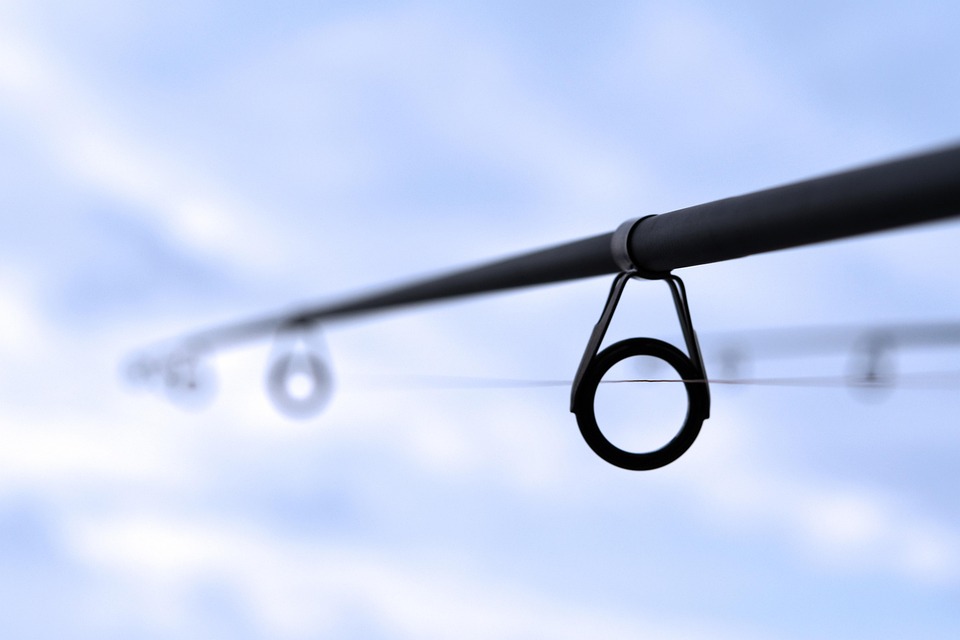
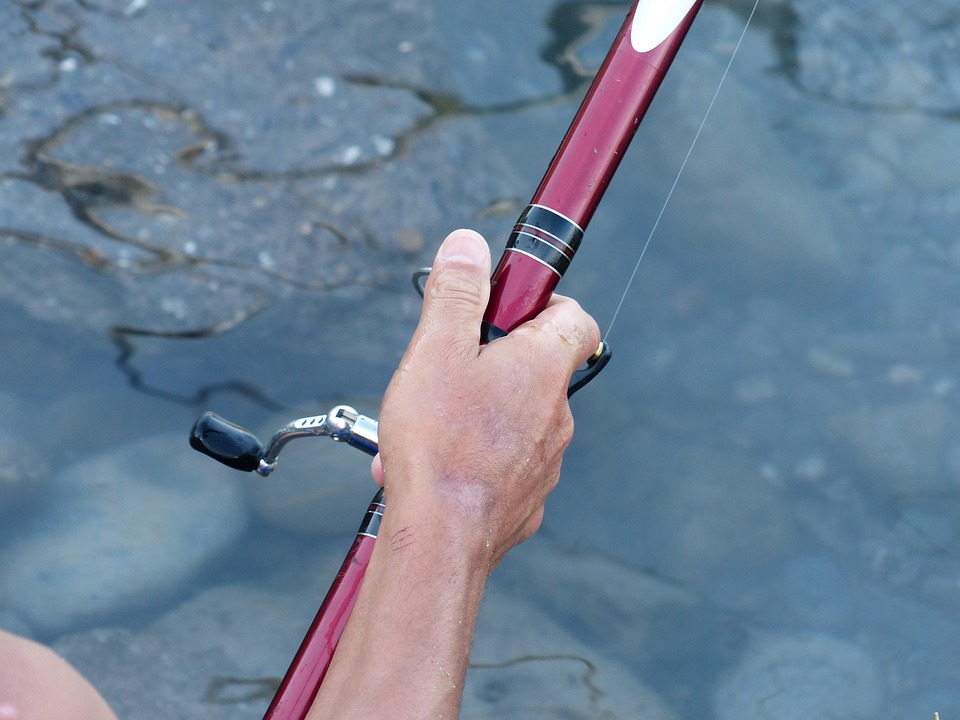
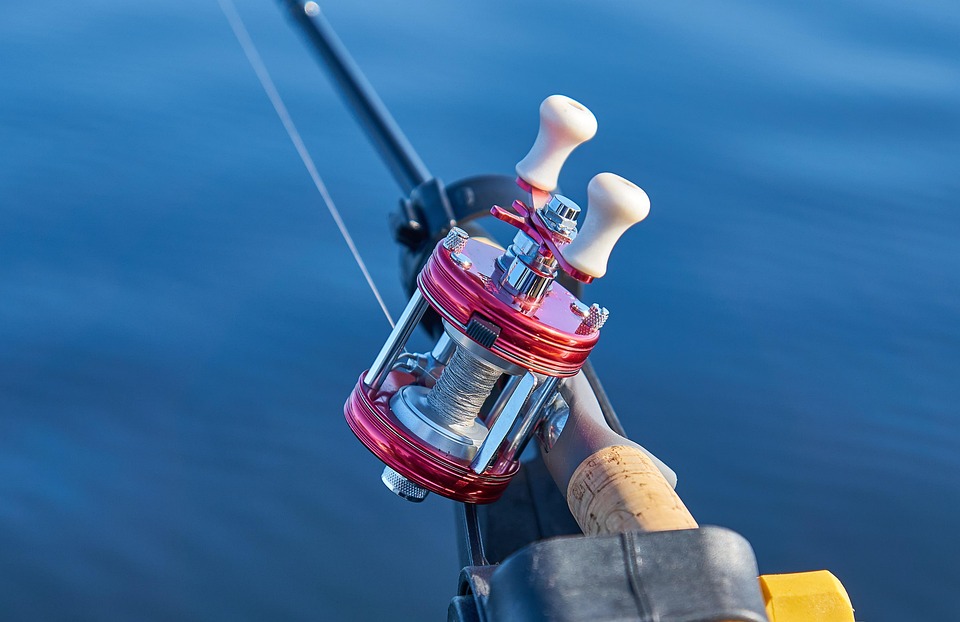
- Rods and Reels: A lightweight rod between 5 and 7 feet matched with a spinning or baitcasting reel is typically recommended for trout fishing.
- Line: Use a 4- to 8-pound test line; lighter lines are less visible in clear water.
- Baits: Popular choices include:
- Live bait such as worms or minnows
- Artificial lures like spoons, spinners, and jigs
- Fly fishing gear if you favor that technique
- Landing Net: A rubber net is essential for safely landing and releasing fish.
Investing in high-quality gear is advisable as it improves durability and performance.
Techniques for Success
Trout fishing techniques vary greatly from one season to another and even day to day. Here are some critical strategies to keep in mind:
- Drift Fishing: This technique involves allowing your bait to follow the natural current. It’s particularly effective for catching trout in rivers and streams.
- Still Fishing: Anchor yourself in a productive spot and wait. Use baits and set them on the bottom or under a bobber.
- Fly Fishing: Ideal for calm conditions, using dry flies can entice trout to the surface, while nymphs are effective below the surface.
- Spinning: A fast and versatile technique that allows you to cover a lot of water quickly.
Always adapt your strategy based on the conditions of the water and the behavior of the fish. Keeping an eye on weather patterns and water temperature can also yield excellent results.
Environmental Considerations
As anglers, it is important to be stewards of our natural resources. Fish populations face various challenges, from habitat loss to climate change. Here are ways you can help:
- Catch and Release: Practice this technique to help sustain fish populations. Use barbless hooks for easier removal and handle fish minimally.
- Leave No Trace: Pack out everything you bring in, including waste. Respect aquatic habitats by minimizing disturbances.
- Be Informed: Stay updated on local regulations, as many areas have ongoing conservation efforts.
Consider participating in local clean-up events or supporting conservation organizations dedicated to protecting aquatic ecosystems.
Community and Resources
Joining local fishing clubs or online forums can provide valuable insights and camaraderie. Engaging with fellow anglers allows for knowledge sharing and the opportunity to learn from experienced fishermen. Resources such as state wildlife agencies can also help provide data on stock reports, fishing conditions, and regulations.
Connect with local bait shops and guides who can offer tailored advice and even guided trips for a deeper experience.
Conclusion
This year’s trout fishing season presents an opportunity not just to catch fish but to engage with nature, bond with loved ones, and participate in an age-old tradition that spans generations. With an understanding of the different species, timing, tactics, and environmental stewardship, you can make the most of each fishing trip. Whether you endeavor to reel in that trophy trout or simply enjoy the serene beauty of your surroundings, the key is preparation and respect for our natural resources. So grab your gear, gather your friends or family, and hit the waters — adventure awaits!
FAQs
1. Do I need a fishing license to fish for trout?
Yes, a fishing license is typically required in most regions. Ensure you obtain the appropriate licenses and permits for your state before heading out.
2. What is the best time of day to fish for trout?
The early morning and late evening are often considered the best times for trout fishing due to cooler temperatures and active fish feeding patterns.
3. Can I fish for trout in the winter?
Yes, several areas offer winter trout fishing, often through ice fishing, but it is essential to check local regulations and ice safety before venturing out.
4. What types of bait work best for trout?
Trout enthusiasts commonly use worms, minnows, power bait, and various artificial lures such as spinners and jigs. Experimenting with different baits can lead to better results.
5. How do I safely catch and release trout?
Use wet hands, barbless hooks, and a landing net. If you can, keep the trout in the water as much as possible, and avoid excessive handling.
- bait fishing seasons
- bass fishing seasons
- best fishing times
- bluegill fishing seasons
- carp fishing seasons
- catfish fishing seasons
- crappie fishing seasons
- fishing seasons
- fly fishing seasons
- inshore fishing seasons
- jigging seasons
- marlin fishing seasons
- muskie fishing seasons
- offshore fishing seasons
- panfish fishing seasons
- pike fishing seasons
- popping seasons
- sailfish fishing seasons
- salmon fishing seasons
- seasonal fishing for beginners
- seasonal fishing guides
- seasonal fishing guides worldwide
- seasonal fishing strategies
- seasonal fishing tips
- shark fishing seasons
- spinning fishing seasons
- trolling seasons
- trout fishing seasons
- tuna fishing seasons
- walleye fishing seasons
- zander fishing seasons










Leave a comment