










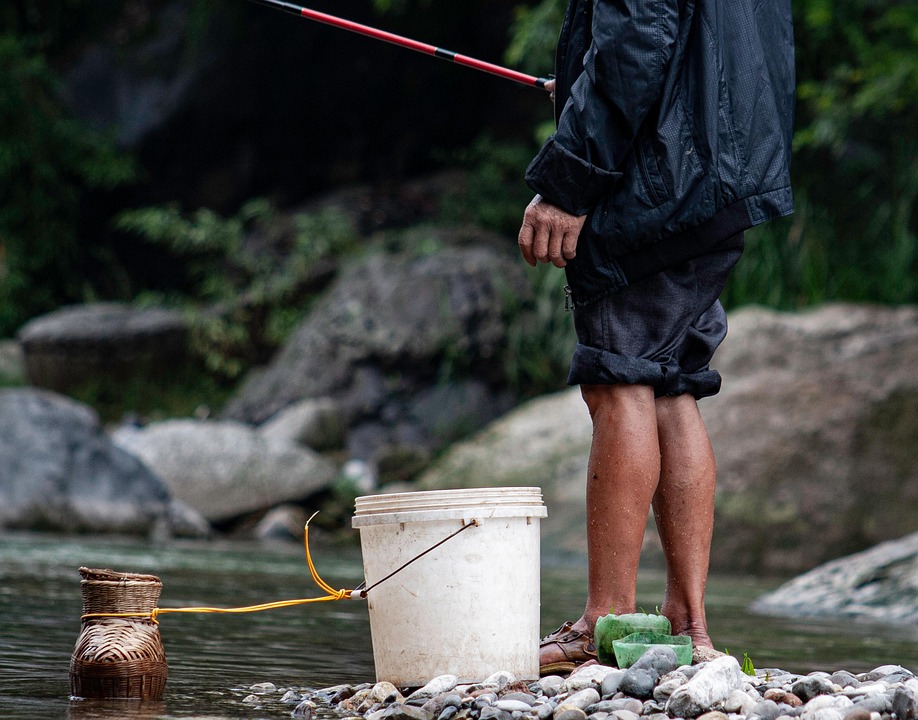










Surf fishing is an exhilarating and rewarding pastime that connects enthusiasts with the rhythm of the sea. For those eager to cast their lines into the surf, this guide serves as an essential introduction, blending the excitement of the ocean with the techniques necessary to maximize success.
Understanding Surf Fishing
Surf fishing refers to the practice of fishing from the shoreline, often where the waves break. This unique method requires a distinct strategy compared to traditional boat fishing, as it involves dealing with surf conditions, tides, and specific types of fish.
Why Surf Fish?
Surf fishing not only provides access to a variety of species but also offers a way to experience nature up close. The sounds of crashing waves and the salty breeze are invigorating, making every fishing trip a mini-vacation. Additionally, surf fishing is accessible; no boat is needed, and many popular fishing spots are within reach.
Essential Gear for Surf Fishing
Having the right gear is crucial for surf fishing success. The following items are recommended for beginners:
Fishing Rod and Reel
A sturdy rod, typically 9-12 feet long, is ideal, as it allows for casting beyond the breaking waves. A spinning reel with a good drag system is preferred for handling larger fish.
Line and Tackle
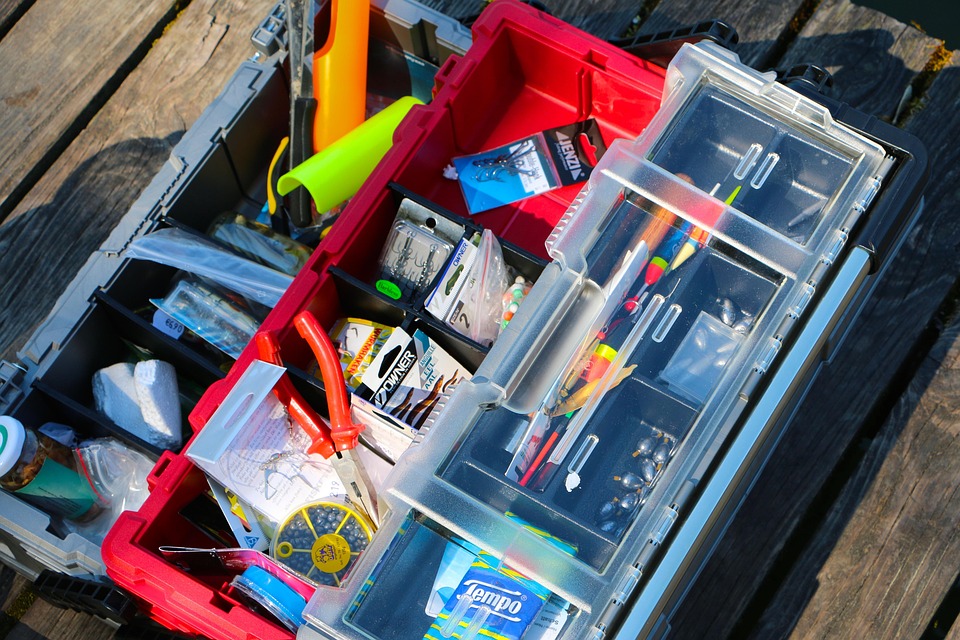
Select a line rated for at least 20-30 pounds to withstand the surf. For terminal tackle, consider using pyramid or surf sinkers. Hooks between sizes 1/0 to 3/0 work well for a variety of species. Don’t forget to bring leader line to prevent abrasion from sharp rocks or shells.
Bait
Live bait, such as sand fleas, shrimp, and mullet, is particularly effective, but artificial lures can also entice fish. Understanding the preferred bait for your target species is crucial.
Choosing the Right Location
Locating the perfect fishing spot can make or break your trip. Here are some tips to identify suitable areas:
Understanding Structure
Fish often congregate around structures such as jetties, piers, and sandbars. Look for breaks in the waves, as these can indicate deeper waters where fish are present.
Timing is Everything
Fishing during dawn and dusk is generally the best time to catch more fish. The low light conditions stimulate feeding, increasing your chances of a successful catch.
Tides and Currents
Understanding tide patterns is essential. As the tide comes in or goes out, fish often move closer to shore or into swells. Familiarize yourself with local tide charts to optimize your fishing times.
Techniques for Successful Surf Fishing
Technique is as important as equipment. The following methods are crucial for beginners:
Cast and Retrieve
A common technique involves casting your baited line into the surf and retrieving it slowly. Watch for fish activity, as splashes or schools can indicate where to focus your efforts.
Bottom Fishing
Using sinkers to keep bait near the bottom can be effective for catching species that feed close to the ocean floor. Ensure your rig is secure to avoid snagging on rocks or debris.
Practice Patience
Surf fishing often requires patience. Be prepared to wait, and stay vigilant for any bites. A tight line or a sudden tug can be exhilarating.
Wildlife and Conservation
Engaging in surf fishing also involves respecting marine life. Follow local regulations regarding size and bag limits, ensuring that you’re fishing sustainably and ethically.
Catch and Release
Whenever possible, practice catch and release for species that are not ideal for eating or those that are under a size limit. Properly handling fish and making quick releases can contribute to healthier ocean ecosystems.
Conclusion
Surf fishing is a thrilling and accessible way for beginners to immerse themselves in the world of fishing. With the right gear, techniques, and a respect for the environment, anyone can experience the satisfaction of casting a line into the surf. Whether you’re after stripers, redfish, or simply the peace of the ocean, surf fishing promises adventure and discovery with every ebb and flow of the tide.
FAQs
1. What is the best time of year for surf fishing?
Spring and fall tend to be the best seasons for surf fishing, as fish are more active and abundant during these times.
2. Do I need a fishing license to surf fish?
Yes, most states require a fishing license for surf fishing. Check local regulations to ensure compliance.
3. What types of fish can I catch while surf fishing?
Common species include striped bass, redfish, flounder, and various types of shark, depending on your location and season.
4. Is it safe to surf fish alone?
While many anglers fish alone safely, it’s recommended to fish with a buddy, especially in unfamiliar locations or when conditions are rough.
5. What should I do if I catch a shark?
Handle sharks with care, and if you plan to release it, do so quickly and with minimal handling to ensure its survival.
- barracuda fishing
- beach fishing
- big game fishing
- bluewater fishing
- boat fishing
- coastal fishing
- deep ocean fishing
- deep sea fishing
- drift fishing
- grouper fishing
- jigging fishing
- kingfish fishing
- mahi mahi fishing
- marlin fishing
- ocean fishing
- offshore fishing
- pier fishing
- reef fishing
- sailfish fishing
- saltwater angling
- saltwater fishing
- saltwater fishing guides
- shark fishing
- shore fishing
- snapper fishing
- sport fishing
- surf fishing
- trolling fishing
- tuna fishing












Leave a comment