












Deep-sea fishing is an adventure that combines skill, patience, and a profound respect for the marine environment. Among the many fish species that call the ocean home, the swordfish (Xiphias gladius) is a prized catch, captivating anglers with its impressive size and fighting spirit. In this article, we’ll explore the world of swordfishing, from the techniques and equipment needed to succeed, to the environmental and ethical considerations of this exhilarating pastime.
The Allure of Swordfish
Swordfish are among the most sought-after game fish, known for their powerful runs and spectacular leaps from the water. Weighing between 200 and 500 pounds and reaching lengths of over 10 feet, these fish are not only awe-inspiring due to their size but also considered a culinary delicacy in many cultures. The firm, meaty texture of swordfish makes it a favorite among chefs, adding to its allure for fishermen.
Understanding the Swordfish Habitat
Swordfish inhabit a wide range of temperate and tropical waters, primarily found in the Atlantic, Pacific, and Indian Oceans. They tend to favor warmer waters and can often be found at depths of up to 2,000 feet during the day. The key to successful swordfishing lies in understanding their migratory patterns and feeding behaviors, which are influenced by ocean temperatures and the availability of prey.
Seasonal Movement
In North America, swordfish are generally available for fishing during the warmer months, particularly from late spring through early fall. Fisheries in regions like Florida and the northeastern U.S. often see an influx of swordfish during these months, as the fish move to shallower waters to feed on smaller fish, squid, and pelagic crustaceans.
Feeding Habits
As nocturnal predators, swordfish are most active at night when they hunt for prey. Utilizing their acute sense of vision and the ability to regulate body temperature, they dive deep into the water column to chase down schools of fish. Understanding this behavior is crucial for anglers looking to hook these magnificent creatures.
Essential Gear for Swordfishing
Successful swordfishing requires specialized gear that can withstand the rigors of deep-sea conditions. Here’s a breakdown of the essential equipment for mastering the art of catching swordfish:
Rods and Reels
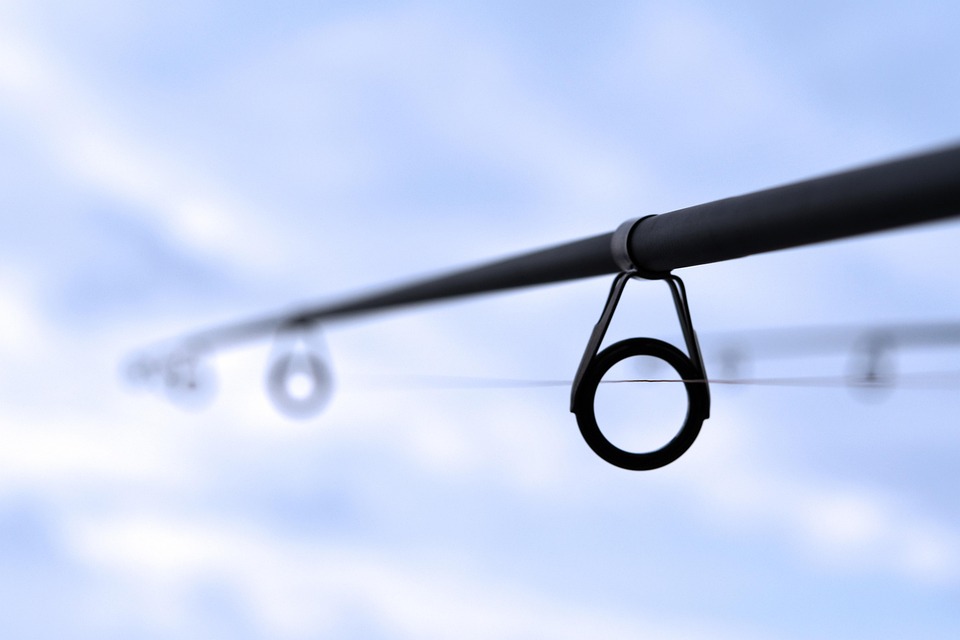
Using heavy-duty, long-length rods and reels is crucial when swordfishing. Typical setups include:
- **Rod**: A 30 to 50-pound test rod, ideally between 6.5 to 8 feet long.
- **Reel**: A high-capacity trolling reel with a strong drag system. Electric reels have also gained popularity for their efficiency.
Line and Leader
Monofilament or braided lines are common choices, often with a test weight of 80 to 200 pounds, depending on the fishing conditions. A leader line is essential to withstand abrasion from the swordfish’s sharp bill and to effectively present bait.
Bait and Lures
When it comes to bait, live or dead squid is a top choice, as well as mackerel, herring, and other smaller fish. Additionally, many anglers use artificial lures designed to mimic the movements and colors of the swordfish’s natural prey. ‘Birds’ or ‘dollies’ can also be used to help keep baits at the optimal depth.
Techniques for Catching Swordfish
Mastering the techniques of swordfishing can take time and practice. Here are popular methods used by experienced anglers:
Daytime Fishing
Daytime swordfishing primarily involves deep-drop techniques where anglers use weighted lines to drop bait to the desired depth. This requires knowledge of the ocean floor and the use of fish finders to locate swordfish.
Night Fishing
Many anglers prefer nighttime fishing since swordfish are more active. This strategy often involves drifting or slow trolling with lights to attract bait fish, increasing the chances of enticing a hungry swordfish.
Harpooning
For those willing to engage in a more traditional practice, harpooning is a thrilling way to land swordfish. This method requires stealth, skill, and a deep understanding of the fish’s behavior, but can be incredibly rewarding.
The Joy of the Catch
Hooking a swordfish is often described as a rite of passage for anglers. The anticipation while waiting for the line to run, the thrill as the fish strikes, and the challenge of reeling it in create an unforgettable experience. Once hooked, swordfish can put up an extraordinary fight, utilizing their strength and agility in a series of jumps and runs that can test even the most seasoned fisherman’s endurance.
Landing the Fish
Once the swordfish is successfully reeled close to the boat, the final step is landing it safely. This can involve using gaffs or harpoons to secure the fish and lift it aboard, ensuring to handle the fish properly to avoid injury to both the angler and the catch.
Conservation and Ethics
As with any outdoor pursuit, ethical considerations are paramount in swordfishing. Swordfish populations have faced pressure from overfishing and habitat loss, leading to the need for responsible practices.
Sustainable Fishing Practices
Many organizations advocate for sustainable fishing practices that help protect swordfish populations and their habitats. These include:
- **Catch-and-release techniques**: Whenever possible, practice catch-and-release to allow the fish to spawn again.
- **Use of recommended gear**: Employing gear that minimizes bycatch and damage to the ecosystem.
- **Following regulations**: Adhering to local regulations regarding fishing seasons, size limits, and allowable gear promotes population recovery.
The Role of Anglers in Conservation
Anglers can play a crucial role in conservation efforts by participating in organizations dedicated to sustainable fishing, reporting catches in citizen science initiatives, and promoting awareness about the importance of marine ecosystems.
Conclusion
Mastering the art of deep-sea fishing for swordfish is about more than just the thrill of the catch; it’s a journey that connects anglers with nature, showcases respect for the ocean, and fosters a sense of community among those passionate about this incredible sport. With the right techniques, equipment, and commitment to sustainable practices, anglers can ensure that the pursuit of swordfish can be enjoyed for generations to come.
FAQs
<h3>1. What is the best time of year to go swordfishing?</h3>

<p>The best time for swordfishing generally spans from late spring to early fall when the fish are most active and accessible in shallower waters.</p>
<h3>2. Do I need a special license to fish for swordfish?</h3>

<p>Yes, in most regions, you will need a fishing license and may be required to adhere to specific regulations regarding swordfish fishing. Always check local laws before heading out.</p>
<h3>3. What depths should I fish for swordfish?</h3>

<p>Swordfish typically dwell at depths between 200 and 1,000 feet during the day. It’s advisable to target these depths, especially when using deep-drop techniques.</p>
<h3>4. Can I catch swordfish from a smaller boat?</h3>

<p>While larger boats are preferred due to their stability in rough waters, smaller boats can be used for swordfishing, especially during calmer conditions. Make sure your boat is equipped for deep-sea fishing.</p>
<h3>5. Are there any safety tips for deep-sea fishing?</h3>

<p>Always wear a life jacket, inform someone of your planned route and return time, have proper safety equipment aboard, and be cautious of weather changes while at sea.</p>
- big game angling
- big game fishing
- big game fishing baits
- big game fishing destinations
- big game fishing gear
- big game fishing guides
- big game fishing lures
- big game fishing reels
- big game fishing rods
- big game fishing tactics
- big game fishing techniques
- big game fishing trips
- bluewater fishing
- deep ocean fishing
- deep sea fishing
- giant trevally fishing
- kingfish fishing
- mahi mahi fishing
- marlin fishing
- monster fish fishing
- offshore fishing
- offshore trolling
- pelagic fishing
- sailfish fishing
- shark fishing
- sportfishing offshore
- swordfish fishing
- trophy fishing
- tuna fishing
- wahoo fishing












Leave a comment