









Whether you’re a novice angler or a seasoned pro, bluegill fishing offers an exhilarating and rewarding experience. Known for their lively fight and delicious, flaky meat, bluegills are a staple in freshwater fishing. Understanding their seasonal patterns can significantly boost your chances of landing a hefty catch. This guide explores the best practices for fishing bluegills throughout the seasons, including habitat, techniques, and bait selection.
Understanding Bluegills
Bluegills (Lepomis macrochirus) are part of the sunfish family and are found in lakes, ponds, and slow-moving rivers across North America. Their distinctive blue and olive coloration makes them easily recognizable. Bluegills thrive in warm waters and usually prefer shallow areas where they can feed and nest.
Seasonal Breakdown
Spring: Spawning Season
As water temperatures rise to around 60°F (15°C), bluegills begin to spawn, typically from late April to early June. During this time, they get quite aggressive, making it one of the best times to fish for them. Male bluegills establish nesting sites in shallow waters where they create small beds in sandy or gravel substrates.
To catch bluegills during this season, focus on:
- Shallow waters: Look for areas near dams, vegetation, and structures.
- Specific times: Early mornings and late evenings are prime times for fishing.
Summer: Feeding Frenzy
During the summer months, bluegills are active and on the prowl for food. The ideal water temperature for bluegills in the summer is between 70°F and 80°F (21°C to 27°C). They often move to deeper water as the temperature rises.
To maximize your catch:
- Use live bait: Worms, crickets, and minnows are favorites.
- Fish around structures: Logs, rocks, and docks are often populated with bluegills.
- Midday fishing: Unlike other species, bluegills can be active during midday in summer.
Fall: Migration and Feeding
In the fall months, bluegills start to prepare for winter, feeding heavily to store energy. Water temperatures begin to cool, typically ranging from 65°F to 70°F (18°C to 21°C). Look for them in slightly deeper water as they begin to migrate towards their winter habitats.
This is a great time for:
- Casting near algae beds: Bluegills can often be found fed on aquatic insects.
- Subsurface fishing: Use jigs and small spinners to entice bites.
winter: Hardiness and Adaptation
Winter fishing for bluegills can be challenging but rewarding. As the weather cools, bluegills become less active and may reside in deeper waters, typically around 20 to 30 feet deep. They are often found near underwater structures like fallen trees or rock ledges.
To successfully catch bluegills in winter:
- Ice Fishing: If you’re in a region with ice, using a tip-up rig with small jigs can be effective.
- Patience: The colder the water, the slower the bite, so be prepared to wait.
Bait Selection
Selecting the right bait can mean the difference between an empty cooler and a successful day of fishing. Depending on the season, bluegills have preferences for certain types of bait:
- Spring: Use live bait such as worms or small minnows. Artificial lures like soft plastic grubs can also be effective.
- Summer: Crickets and small jigs work well. Look for bright colors to catch their attention.
- Fall: A mix of bait works, but you might also find success with small spinnerbaits or spoons.
- Winter: Small jigs tipped with wax worms or minnows are ideal.
Techniques for Success
Once you’ve chosen your season and bait, the right fishing techniques can greatly enhance your chances of catching bluegills:
1. Bobber Fishing
This classic technique is especially effective during the spring spawning season. A bobber allows you to suspend your bait at a specific depth, making it easier to target aggressive males.
2. Trolling
A great option during the summer when bluegills are spread out. Trolling can help you locate schools of fish by covering more water.
3. Fly Fishing
For the more adventurous angler, fly fishing offers a unique challenge. Small poppers or nymphs can be very effective.
4. Bottom Fishing
This technique is particularly useful in deeper waters during the winter. A weighted rig with live bait allows you to present it at the right depth.
Conclusion
Bluegill fishing is more than just a pastime; it’s a time-honored tradition cherished by anglers of all ages. By understanding their seasonal behavior and employing the right techniques, you can elevate your fishing experience and make lasting memories on the water. With each season offering its own unique challenges and rewards, the quest to catch bluegills is sure to instill a love for fishing in those who partake. So pack your gear, head to your favorite fishing spot, and get ready to create your own bluegill tales!
FAQs
What gear do I need for bluegill fishing?
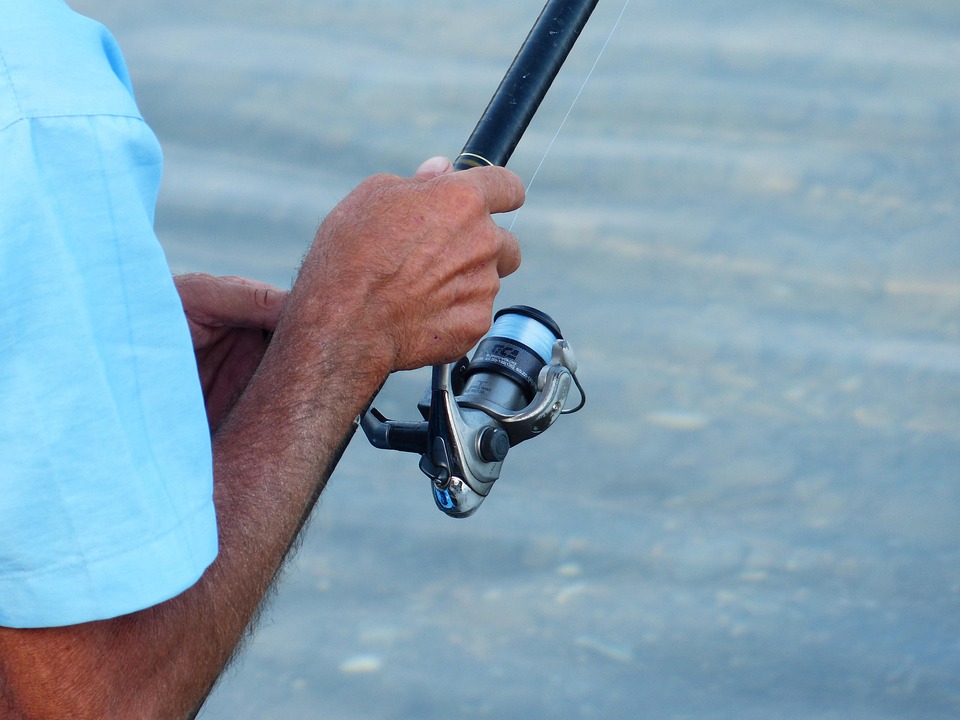
For bluegills, a light spinning rod or a fly rod is ideal. Use 4-8 lb test line for optimal results, and include various hooks, jigs, and bobbers in your tackle box.
What time of day is best for bluegill fishing?
Generally, early mornings and late afternoons are the best times for bluegill fishing, particularly during their spawning season in the spring.
Can bluegills be caught year-round?
Yes, bluegills can be caught year-round, but their feeding patterns and locations change dramatically with the seasons. Adjust your techniques and gear accordingly.
Are bluegills good to eat?
Yes, bluegills are known for their tasty, flaky white meat. They are a popular choice among anglers for their excellent flavor and ease of preparation.
What is the best bait for bluegills?
The best bait can vary with the season, but options such as worms, crickets, small minnows, and jigs generally perform well.
- bait fishing seasons
- bass fishing seasons
- best fishing times
- bluegill fishing seasons
- carp fishing seasons
- catfish fishing seasons
- crappie fishing seasons
- fishing seasons
- fly fishing seasons
- inshore fishing seasons
- jigging seasons
- marlin fishing seasons
- muskie fishing seasons
- offshore fishing seasons
- panfish fishing seasons
- pike fishing seasons
- popping seasons
- sailfish fishing seasons
- salmon fishing seasons
- seasonal fishing for beginners
- seasonal fishing guides
- seasonal fishing guides worldwide
- seasonal fishing strategies
- seasonal fishing tips
- shark fishing seasons
- spinning fishing seasons
- trolling seasons
- trout fishing seasons
- tuna fishing seasons
- walleye fishing seasons
- zander fishing seasons









Leave a comment