

















Fishing, a pastime enjoyed by millions around the globe, encompasses varying techniques, tools, and environments. Among these, casting is a critical skill that every aspiring angler must master. This article aims to provide beginners with a comprehensive guide on the basics of casting in fishing, offering tips, techniques, and insights that lead to a successful fishing experience.
Understanding the Basics of Casting
At its core, casting is the act of throwing a fishing line with an attached lure or bait into the water. Mastering this technique lays the foundation for any fishing venture. There are different styles of casting, including overhead casting, sidearm casting, flip casting, and pitching. Each style serves unique purposes and is suited to various fishing conditions.
The Components of Casting
To cast effectively, you need to familiarize yourself with a few key components:
- Fishing Rod: This is the most important tool, available in various lengths and materials, each designed for specific types of fishing.
- Fishing Reel: A device attached to the rod, it allows you to manage the line’s release and retrieval.
- Fishing Line: The line must be strong enough to handle the species targeted and should be matched to the rod and reel.
- Lures and Baits: Choosing the right lure or bait is crucial, as it can affect whether you attract the fish you seek.
Choosing the Right Gear
Starting with the appropriate gear can make a significant difference in your fishing experience. For beginners, a spinning rod and reel combo is advisable due to its versatility and ease of use.
Fishing Rod
When selecting a rod, consider the action and power:
- Action: This refers to how much the rod bends. Fast action rods bend at the tip, providing sensitivity, while slow action rods bend throughout the length, providing strength.
- Power: This indicates the rod’s ability to handle fish weight. Ranging from ultra-light to extra-heavy, choose according to your target species.
Fishing Reel
There are several types of reels, but for beginners, a spinning reel offers a straightforward operation. Ensure it has a smooth drag system, which will help you reel in fish without breaking the line.
Fishing Line
Line types generally fall into monofilament, fluorocarbon, or braided line:
- Monofilament: Affordable and easy to handle, ideal for beginners.
- Fluorocarbon: Nearly invisible underwater, perfect for clear waters.
- Braided Line: Highly durable and strong, best for heavy cover fishing.
Mastering Your Casting Technique
Once you’ve chosen your gear, it’s time to focus on your casting technique. Here are some essential steps to consider:
Grip Your Rod
Your grip affects your casting accuracy. Hold the rod with a relaxed grip about a foot from the reel with your thumb placed on top of the rod.
Body Positioning
Stand with your feet shoulder-width apart, with one foot slightly in front of the other for stability. This stance helps with balance and control during the cast.
Practice the Motion
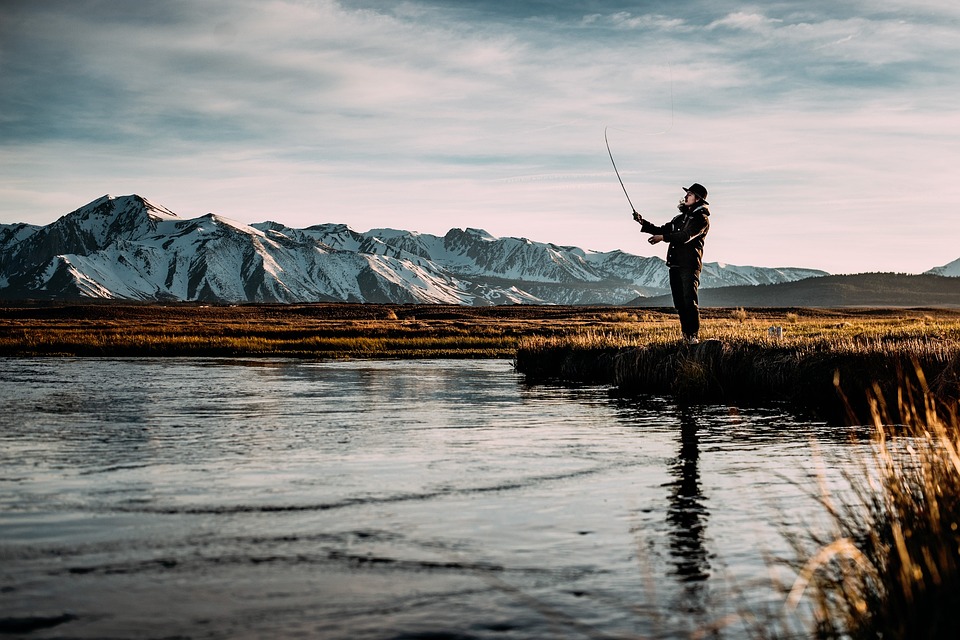
Begin by raising the rod above your head to an almost vertical position. Smoothly bring your rod back behind you while keeping your elbow steady. This motion builds the momentum needed for an effective cast.
The Cast
Start with a quick, downward flick of your wrist while transitioning your arm forward, releasing the line at the peak of your movement. This technique is best illustrated through practice; finding a rhythm is key.
Types of Fishing Casting Techniques
As you become more comfortable with your casting, begin exploring various techniques:
Overhead Cast
The overhead cast is the most common and is used for many fishing situations. After mastering this, you can branch into more specialized techniques.
Sidearm Cast
This is useful for casting in tight spaces, such as under overhanging branches. Keeping the rod parallel to the water allows for a clean entry, reducing splash noise that might scare fish away.
Flip Cast
This technique allows for precision when casting short distances. It’s especially effective when bass fishing in heavy cover situations.
Pitching
Similar to the flip cast, pitching involves a short cast used to target specific spots, particularly when seeking fish that are hiding within structure.
Understanding the Importance of Location
The best casting techniques can fail without proper understanding of fishing locations. Consider the following:
- Water Type: Freshwater bodies like lakes and rivers differ significantly from saltwater environments.
- Time of Day: Fish are often more active during dawn and dusk, making these prime fishing times.
- Weather Conditions: Wind, cloud cover, and temperature can impact fish behavior and feeding patterns.
Maintaining Ethics and Respect for the Environment
As a newcomer to the sport of fishing, it’s vital to adopt responsible practices. Always follow local fishing regulations, practice catch-and-release when possible, and respect nature by cleaning up after yourself.
Conclusion
Fishing is an enriching experience that offers not only the chance to catch a meal but also a way to connect with nature and unwind. By mastering the basics of casting, choosing the right gear, practicing your technique, understanding various casting methods, and being aware of environmental ethics, you will set the stage for a successful fishing journey. Remember, like any skill, casting improves with practice and patience. Don’t be discouraged by initial challenges; every angler starts somewhere, and soon enough, you will find yourself casting confidently into the water.
FAQs
1. What is the best fishing rod for beginners?
The best fishing rod for beginners is typically a spinning rod between 6 to 7 feet long, as they are versatile and easy to use.
2. How do I know what type of lure to use?
Choosing a lure depends on the type of fish you are targeting and the fishing conditions. Research local fishing reports for recommended lures for your area.
3. How far should I cast?
Cast as far as you feel comfortable but prioritize accuracy over distance. It’s better to target specific spots than to cast far without precision.
4. How can I improve my casting skills?
Practice is key; consider spending time at a park or backyard with a target to enhance your accuracy and distance.
5. Is fishing gear expensive?
Fishing gear can range from affordable to premium. For beginners, there are many budget-friendly options available that don’t compromise quality.
- beginner bass fishing
- beginner carp fishing
- beginner catfish fishing
- beginner fishing advice
- beginner fishing baits
- beginner fishing gear
- beginner fishing guides
- beginner fishing guides online
- beginner fishing knots
- beginner fishing lures
- beginner fishing mistakes
- beginner fishing reels
- beginner fishing rods
- beginner fishing strategies
- beginner fishing techniques
- beginner fishing tips
- beginner fishing trips
- beginner fishing tutorials
- beginner fishing videos
- beginner fly fishing
- beginner freshwater fishing
- beginner muskie fishing
- beginner panfish fishing
- beginner pike fishing
- beginner saltwater fishing
- beginner trout fishing
- fishing basics
- fishing for beginners
- how to fish
- new anglers tips







Leave a comment