






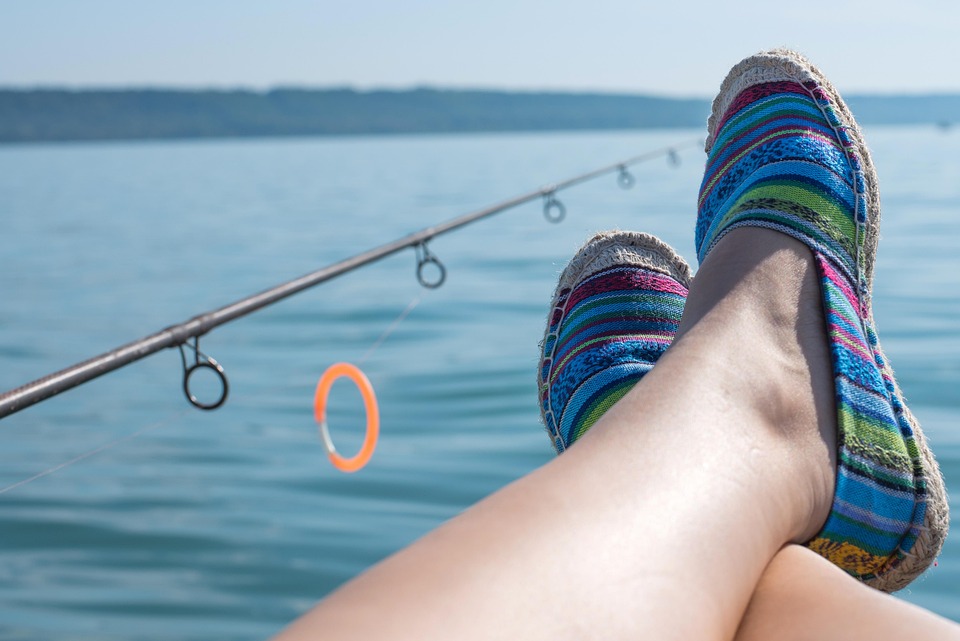

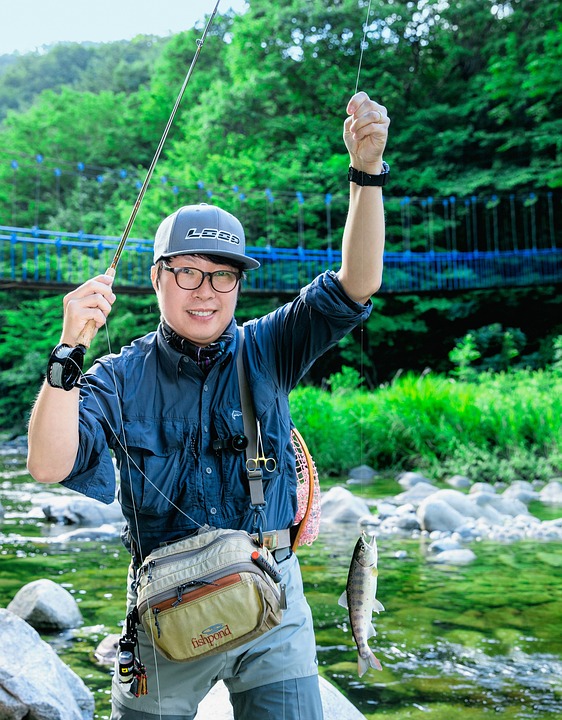
Fishing is more than just a pastime; it’s a beautiful blend of patience, skill, and a profound appreciation for nature. For new anglers, the world of fishing can seem overwhelming. With countless techniques, types of gear, and fishing locales, it’s easy to feel lost. This article aims to guide you through the essential tips that will ensure your fishing experience is enjoyable and rewarding. Whether you’re casting from the shore or heading out on a boat, these ten tips will lay a strong foundation for your adventures.
1. Know Your Fish
Understanding the species you are targeting is crucial. Different fish have unique habits, spawning cycles, and preferred habitats. For example, largemouth bass thrive in warm waters; they prefer cover such as rocks and vegetation. Research the fish species in your area, considering their seasonal behavior, which will help you select the right time and bait for fishing.
2. Choose the Right Gear
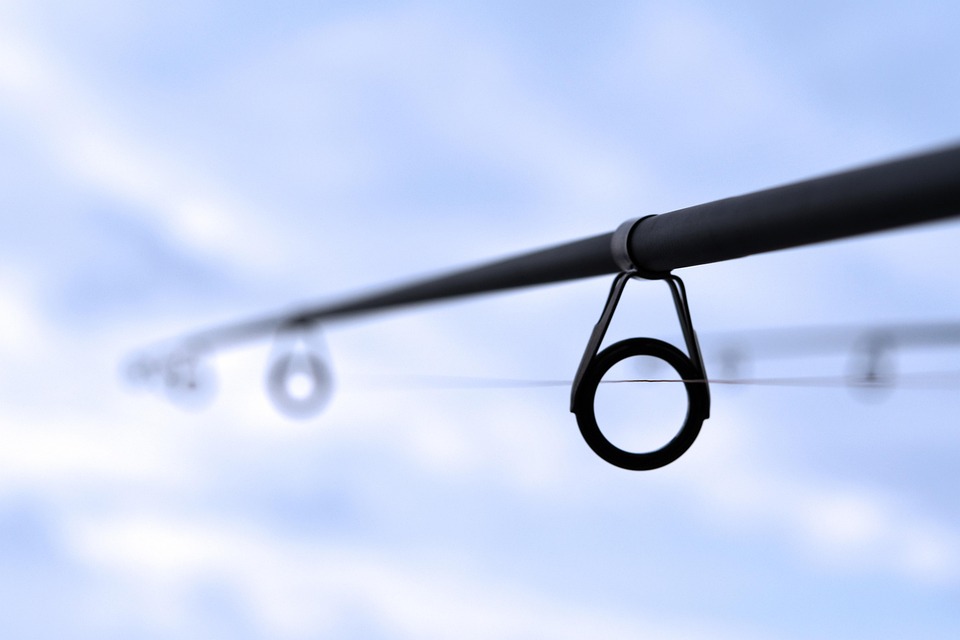
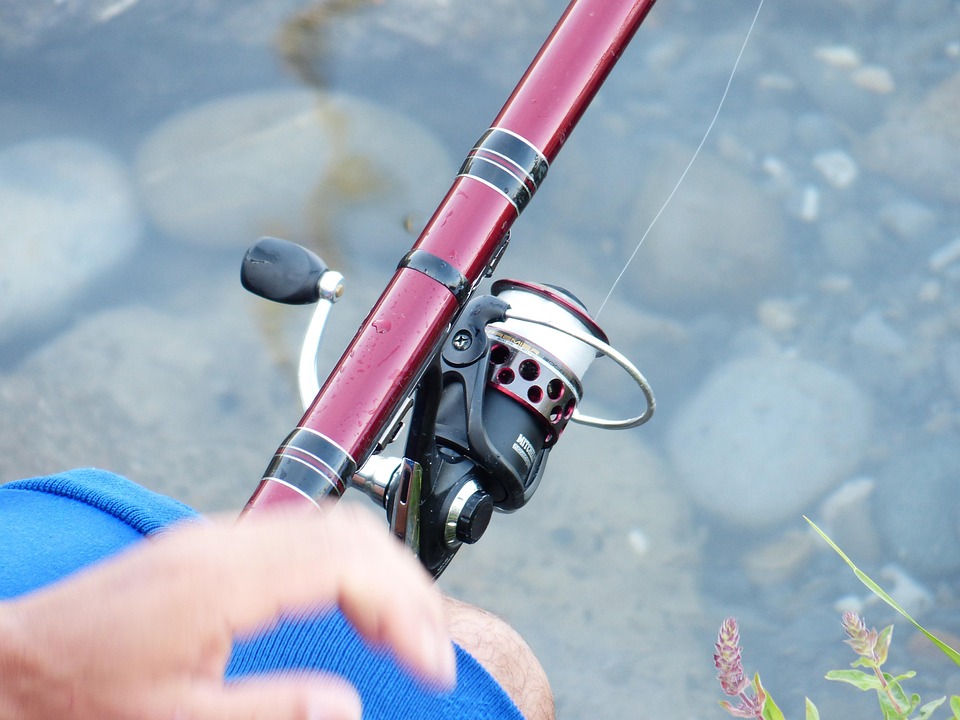
The right equipment can make all the difference. If you’re just starting out, consider purchasing a rod and reel combo that is beginner-friendly and suited for your target species. A medium-action rod between 6 to 7 feet is versatile for many types of fishing. Don’t forget about the fishing line! Monofilament line is generally recommended for beginners due to its ease of use.
3. Master the Knot
Knots hold your entire setup together, making knot-tying an essential skill for anglers. The improved clinch knot is one of the simplest and strongest knots to learn for securing hooks or lures. Practice tying this knot at home before hitting the water, ensuring your catches don’t slip away due to poor knots.
4. Learn About Bait and Lures
Bait can be live (like worms or minnows) or artificial lures that mimic the movement and appearance of prey. For beginners, live bait is often more effective, as it requires less skill in casting and retrieving. Local tackle shops can offer specific recommendations for the best bait to use for various species in your area.
5. Timing Is Everything
Fish are often more active during specific times of the day, generally early mornings and late afternoons. Factors like weather, moon phases, and tides can also influence fish behavior. Plan your fishing trips around these patterns for a better chance of success. Remember, patience is just as important as timing in fishing!
6. Understand Water Conditions
Water clarity, temperature, and weather conditions greatly impact fishing success. On a warm sunny day, fish will often seek cooler, shaded areas. Conversely, cloudy weather can cause fish to venture out into open water. Observing water structure—such as points, drop-offs, and vegetation—can also help you find where fish may be hiding.
7. Practice Casting Techniques
Good casting is fundamental to fishing, and it’s worth practicing. Start by ensuring you’re using the proper grip on your rod and avoiding over-exaggerated movements. Try the “10 and 2” method: imagine the rod tip as a pendulum swinging between the 10 and 2 positions. Practicing your casting technique can greatly enhance your accuracy and distance.
8. Get Familiar with Local Fishing Regulations
Before you begin your fishing journey, familiarize yourself with local fishing regulations, including licensing, bag limits, and protected species. Each region has its own rules to help maintain fish populations and ecosystems. Respecting these regulations ensures sustainable fishing for future generations.
9. Maintain Your Equipment
Diligent care of your gear will not only improve your fishing experience but also ensure your equipment lasts longer. Rinse your rod and reel with fresh water after each outing, especially if you’ve been fishing in saltwater. Regularly check your line for abrasions or knots and always store your tackle in a cool, dry place.
10. Stay Safe and Have Fun
Fishing should be an enjoyable experience, so remember to prioritize safety. Wear a life jacket when on a boat, stay hydrated, and bring sunscreen to protect against UV rays. Fostering a love for fishing often starts with having fun and making memorable experiences on the water!
Conclusion
Fishing is a rewarding sport that combines the thrill of the catch with the serenity of nature. For new anglers, mastering the basics can lead to a lifetime of enjoyable experiences. By understanding your target fish, choosing the right gear, practicing good techniques, and respecting natural resources, you can create a fulfilling connection with the waters you fish. So grab your rod, head out, and immerse yourself in the peaceful yet exhilarating world of fishing!
FAQs
1. What is the best time to go fishing?
The best times generally fall during early mornings and late afternoons when fish are most active. Weather patterns, moon phases, and tides also influence activity levels.
2. Do I need a fishing license?
Yes, most regions require anglers to possess a valid fishing license. Regulations vary by location, so check your local laws before fishing.
3. What type of bait should I use for beginners?
Live bait such as worms or minnows is often recommended for beginners due to their effectiveness. However, artificial lures can also be useful once you learn the basics of casting and retrieval.
4. How often should I practice my casting technique?
Regular practice helps refine your skills. Set aside time to practice casting in your backyard or a nearby park to improve precision and distance.
5. What safety gear should I bring while fishing?
A life jacket, first-aid kit, sunscreen, and plenty of water are essential for safety and comfort during your fishing trips.
- beginner bass fishing
- beginner carp fishing
- beginner catfish fishing
- beginner fishing advice
- beginner fishing baits
- beginner fishing gear
- beginner fishing guides
- beginner fishing guides online
- beginner fishing knots
- beginner fishing lures
- beginner fishing mistakes
- beginner fishing reels
- beginner fishing rods
- beginner fishing strategies
- beginner fishing techniques
- beginner fishing tips
- beginner fishing trips
- beginner fishing tutorials
- beginner fishing videos
- beginner fly fishing
- beginner freshwater fishing
- beginner muskie fishing
- beginner panfish fishing
- beginner pike fishing
- beginner saltwater fishing
- beginner trout fishing
- fishing basics
- fishing for beginners
- how to fish
- new anglers tips









Leave a comment