













When it comes to freshwater fishing, few experiences can rival the thrill of pursuing muskellunge, commonly known as muskies. Known as the “fish of 10,000 casts,” these elusive predators have captivated the hearts of many anglers, seasoned and novice alike. For those just starting on their muskie fishing journey, the unique challenges involved can be both daunting and exhilarating. This article will provide essential tips that will enhance your chances of reeling in these magnificent fish.
Myth and Reality: Understanding Muskies
Muskies are notorious for their elusiveness, leading to numerous myths surrounding their behavior and habitats. Understanding the reality behind these misconceptions is the first step in becoming a successful muskie angler.
- Myth 1: Muskies are purely nocturnal.
- Reality: While muskies can be caught at night, particularly during the warmer months, they are also active during the day—especially during low light conditions like early mornings and late evenings.
- Myth 2: They only exist in large lakes.
- Reality: Muskies can inhabit rivers, small lakes, and even larger bodies of water. The key is finding the right structure.
- Myth 3: Muskies are easy to catch.
- Reality: Their challenging nature is what makes them so rewarding to catch. Patience and persistence are crucial.
Choosing the Right Gear
Successful muskie fishing begins with the right gear. Unlike other species, muskies require specialized equipment to handle their size and strength.
Rods
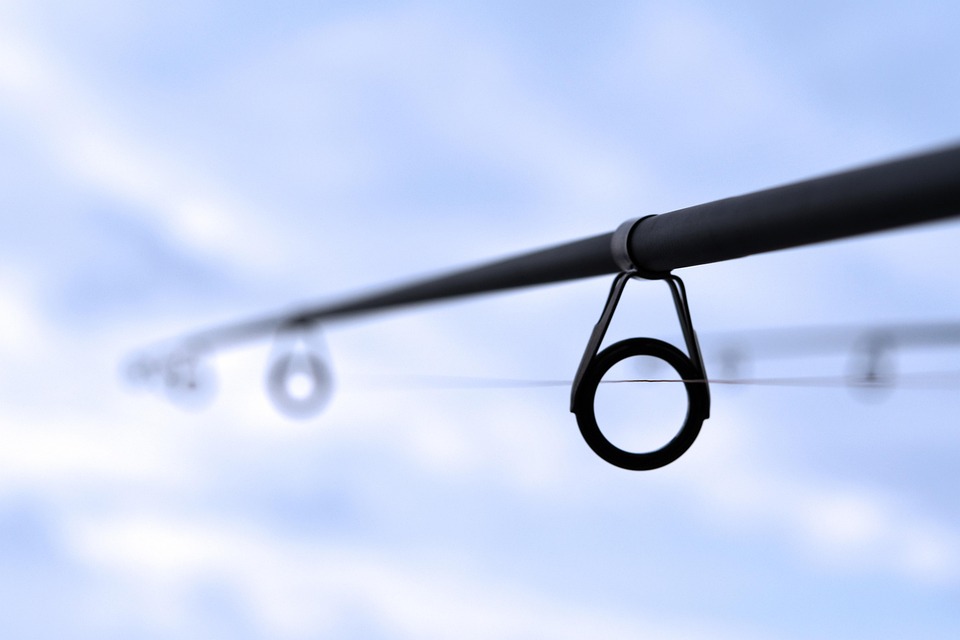
Opt for a heavy-action rod that is at least 7 to 9 feet long. The length provides better casting distance, which is essential for covering large areas of water. Look for rods designed specifically for muskie fishing; these often feature reinforced guides and handles to withstand the stress of battling a large fish.
Reels
Choose a baitcasting reel with a high gear ratio, which allows for quick retrieves. A reel with a drag system is essential to help handle the power of a muskie. Many experienced anglers prefer reels with a line capacity of at least 200 yards with a minimum of 65-pound braided line.
Lines
Using braided line will enhance sensitivity while providing the strength necessary to handle muskies. A heavy fluorocarbon leader, typically 80 to 130 pounds, is recommended to withstand the fish’s sharp teeth.
Lures
Muskies are attracted to various lures, so it’s wise to have a range in your tackle box. Here are some popular options:
- Topwater lures (such as buzzbaits and walk-the-dog styles)
- Swimbaits
- Spinnerbaits
- Large crankbaits
- Jerkbaits
Varying your retrieval speeds can also be beneficial; sometimes a fast and erratic motion provokes a strike, while other times a slow and steady retrieve will do the trick.
Fish Finder and Technology
Investing in a quality fish finder can drastically improve your chances of success. Modern fish finders utilize sonar technology to help locate schools of baitfish and pinpoint muskie habitats. Look for features such as:
- Mapping capabilities for understanding lake structures
- Side imaging for a wider view of underwater structures
- CHIRP technology for more detailed and accurate readings
Understanding Muskies’ Habitat
Structure and Cover
Muskies are ambush predators, often hiding among structures where they can easily launch an attack on unsuspecting prey. Look for areas with:
- Weed beds
- Sunken logs and rocks
- Drop-offs and submerged points
- Current breaks in rivers
Temperature and Weather
Muskies are sensitive to temperature changes. The ideal water temperature for muskies is usually between 65°F and 80°F. Factors like cloud cover, wind, and barometric pressure can affect their feeding behavior. Overcast days are often ideal, as muskies feel more secure and are more likely to venture out from cover to feed.
Techniques for Catching Muskies
Catching muskies requires a variety of techniques. Here are some worth mastering:
Casting
When casting, aim for the edges of weed beds and structure where muskies are likely to hide. Keep an eye on your line for any signs of movement indicating a strike.
Trolling
Trolling can cover a lot of water effectively. Deploy multiple lines to increase your chances, keeping an eye on your speed—typically 3 to 5 mph is ideal.
Figure-Eight Technique
This method involves bringing your lure back in a figure-eight pattern near the boat, giving muskies a chance to strike as the lure appears to escape. This is often one of the most effective techniques to trigger a strike.
Handling and Releasing Muskies
Catching a muskie is only half the adventure; knowing how to properly handle and release the fish responsibly is equally important. Here are some key tips:
- Always use a net that can accommodate their size without damaging their body or fins.
- Keep the fish in the water as much as possible—exposing them to air can cause stress and harm.
- Use wet hands when handling the fish to protect their slime coating.
- Revive the fish in the water if it appears lethargic before allowing it to swim away.
Conclusion
While muskie fishing can be a challenging pursuit, the thrill of chasing these majestic fish makes it all worthwhile. By equipping yourself with the right gear, understanding their habitats, and honing your techniques, novice anglers can significantly improve their chances of success. Remember to practice responsible fishing to ensure that future generations can enjoy the excitement of muskies as well.
FAQs
1. What is the best time of year to fish for muskies?
Late spring through fall is usually the best time for muskie fishing. However, early spring and late fall can also yield good results, especially during periods of stable weather.
2. How big do muskies get?
Muskies can reach impressive sizes, often exceeding 50 inches and weighing over 30 pounds. Some specimens have been recorded at lengths of 60 inches or more.
3. Are muskies good to eat?
Muskies are generally not considered a prime choice for eating due to their bony nature. Most anglers catch and release them for sport rather than for food.
4. Do I need a special license to fish for muskies?
Yes, specific regulations often apply to muskie fishing, including licensing and size limits. Always check your local fishing regulations before heading out.
5. What is the best bait for muskie fishing?
There isn’t a one-size-fits-all answer, as muskies respond well to various lures, including large swimbaits, jerkbaits, and topwater lures. It’s wise to experiment to see what works best in your fishing location.
- beginner bass fishing
- beginner carp fishing
- beginner catfish fishing
- beginner fishing advice
- beginner fishing baits
- beginner fishing gear
- beginner fishing guides
- beginner fishing guides online
- beginner fishing knots
- beginner fishing lures
- beginner fishing mistakes
- beginner fishing reels
- beginner fishing rods
- beginner fishing strategies
- beginner fishing techniques
- beginner fishing tips
- beginner fishing trips
- beginner fishing tutorials
- beginner fishing videos
- beginner fly fishing
- beginner freshwater fishing
- beginner muskie fishing
- beginner panfish fishing
- beginner pike fishing
- beginner saltwater fishing
- beginner trout fishing
- fishing basics
- fishing for beginners
- how to fish
- new anglers tips






Leave a comment