









Inshore fishing is not just a hobby; it’s a lifestyle that connects anglers with nature while providing a sustainable source of food. But to truly succeed in this pursuit, it’s crucial to understand the seasonal dynamics that govern fish behavior. Different species thrive at different times of the year, influenced by factors such as water temperature, breeding cycles, and food availability. This article will delve into the intricacies of inshore fishing seasons, offering insights that can help anglers maximize their catch.
The Seasonal Cycle of Inshore Fishing
Inshore fishing typically involves targeting species such as redfish, flounder, and striped bass in coastal waters, bays, and estuaries. The seasonal cycle plays a vital role in determining the best fishing times. Generally, inshore fishing can be split into four distinct seasons: spring, summer, fall, and winter.
Spring: Renewal and Activity
As winter fades, the warming waters signal the start of an exciting season. Fish become more active and begin to migrate from deeper to shallower waters in search of food.
Species like black drum and redfish are particularly active during spring. They move towards the estuaries to spawn, making this an optimal time for anglers. The presence of baitfish, such as mullet and menhaden, increases significantly, further attracting larger game fish.
Summer: Peak Action
Summer is often considered the peak season for inshore fishing. The water temperatures are at their highest, and a wide variety of species can be targeted. Many anglers enjoy fishing for species such as spotted seatrout and tarpon during this time.
However, fishing during summer can present challenges. High temperatures can lead to oxygen depletion in some areas, pushing fish into cooler, deeper waters or shaded spots. Early mornings and late afternoons are typically the best times to fish, as fish are more active during cooler periods.
Fall: Feeding Frenzy
As temperatures begin to cool, fall signals a change in fish behavior. Many species enter a feeding frenzy to prepare for the winter months. The migration patterns of fish become more pronounced, making it an excellent time to catch larger specimens.
Species like flounder and striped bass become more abundant as they prepare for the winter. Anglers can take advantage of these shifts by targeting specific locations where fish are more likely to congregate.
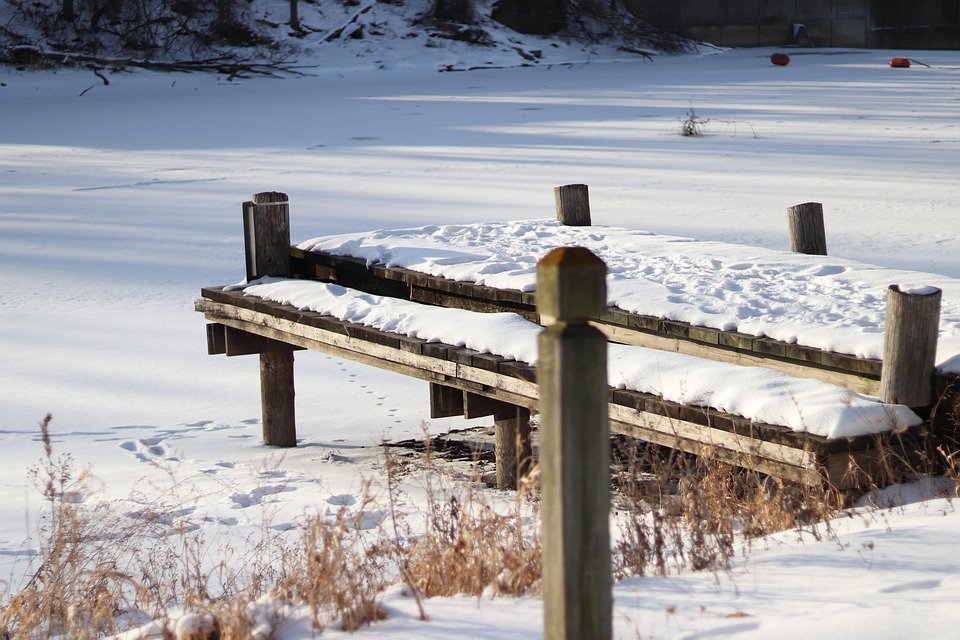
Winter: A Time for Patience
Winter months often challenge even the most seasoned anglers. Cold water temperatures can slow fish metabolism, leading to decreased activity. However, some species, such as sheepshead and winter flounder, remain active and can be targeted during this time.
During winter, depth and structure are critical. Anglers need to focus on deeper waters and areas with structure, such as jetties or wrecks, to find fish. Patience is key, as bites may be fewer, but the reward is often a larger fish.
Understanding Fish Behavior
Comprehending the seasonal shifts is only part of the equation. Equally important is grasping the individual behaviors of fish species throughout the seasons. Factors such as water temperature, food availability, and spawning cycles significantly influence when and where fish are likely to be found.
Water Temperature
Fish are highly sensitive to water temperature, which affects their metabolism, feeding habits, and spawning cycles. For example, redfish tend to prefer waters around 70°F to 85°F. As temperatures vary, anglers should adjust their techniques and locations accordingly.
Food Availability
Seasonal variations in food supply directly impact fish migration patterns. In spring and fall, schools of baitfish move into inshore waters, drawing predators. Understanding local food chains can significantly increase one’s chance of a successful catch.
Spawning Cycles
Many inshore species have specific spawning seasons. For instance, redfish spawn during late summer to early fall, while flounder spawn in the spring. Knowing these cycles allows anglers to strategize their fishing plans; either targeting spawning locations or avoiding them to lessen disturbance to the fish population.
Choosing the Right Gear and Techniques
Matching your fishing gear and techniques to the fish species and conditions can mean the difference between an empty cooler and a successful trip.
Rods and Reels
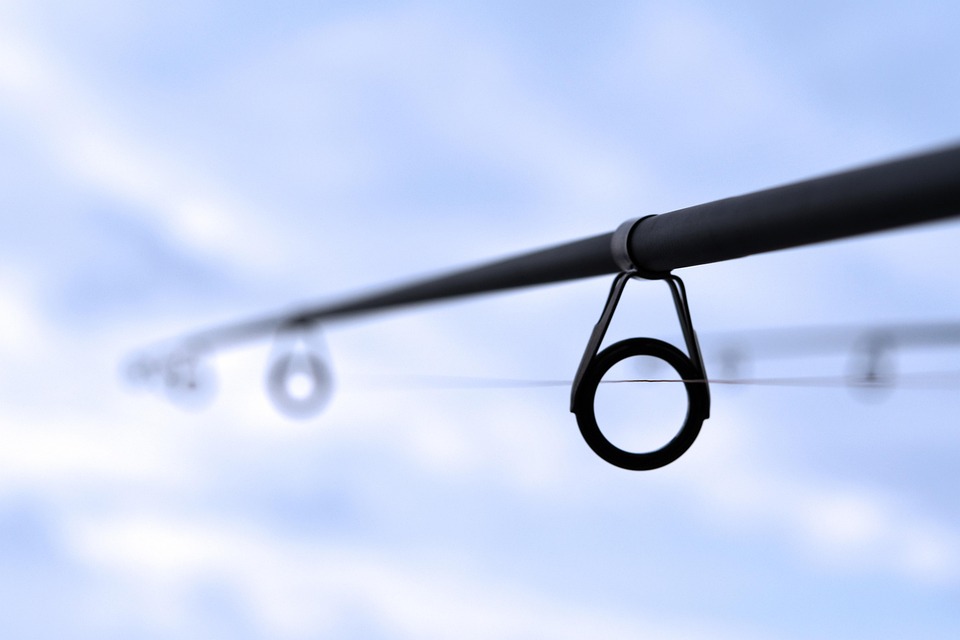
Choosing the right rod and reel combination is essential. A medium-action rod with a 20 to 30-lb test line is versatile for most inshore species. For targeting larger fish like tarpon, stronger gear is necessary.
Fishing Techniques
Inshore fishing can involve various techniques, from bait fishing to fly-fishing. Popular techniques include:
- Live Baiting: Using local live bait like shrimp or pinfish attracts larger fish.
- Artificial Lures: Soft plastics and topwater lures are effective, especially during the feeding frenzy of spring and fall.
- Fly Fishing: This increasingly popular technique is excellent for targeting species like trout and redfish.
The Importance of Sustainable Fishing
While catching fish is undoubtedly rewarding, responsible fishing practices are critical in preserving marine ecosystems. Understanding and adhering to local fishing regulations, such as catch limits and seasonal closures, ensures the sustainability of fish populations.
Moreover, practicing catch and release for certain species, especially during spawning seasons, helps maintain healthy stocks. Using barbless hooks and minimizing handling time can also enhance fish survival rates.
Conclusion
Inshore fishing presents endless opportunities for anglers willing to invest time in understanding seasonal changes and species behavior. From the bustling activity of spring to the patient pursuits of winter, each season offers a unique experience filled with challenges and rewards. The modern angler must adapt to various conditions, gear, and most importantly, embrace sustainable practices to ensure these vital ecosystems endure for generations to come. By harmonizing with nature and honing their skills, anglers can truly cast for success.
Frequently Asked Questions
What is the best time to fish inshore?
The best times to fish inshore often depend on the season and specific species targeted. Generally, early mornings and late afternoons yield the best results during the warmer months.
What should I bring for inshore fishing?
Essential items include a suitable rod and reel, tackle box with lures and hooks, live bait, sunscreen, a first aid kit, and plenty of water.
Are there any specific regulations I should know about?
Yes, all anglers should familiarize themselves with local fishing regulations regarding catch limits, size regulations, and seasonal restrictions to fish sustainably.
How can I improve my inshore fishing technique?
Improving your technique involves practice, learning local conditions, and being adaptable. Joining local fishing clubs or forums can also provide valuable insights and tips from experienced anglers.
Can I fish inshore year-round?
Yes, inshore fishing can be done year-round, but the species available and their behavior will vary significantly with the changing seasons.
- bait fishing seasons
- bass fishing seasons
- best fishing times
- bluegill fishing seasons
- carp fishing seasons
- catfish fishing seasons
- crappie fishing seasons
- fishing seasons
- fly fishing seasons
- inshore fishing seasons
- jigging seasons
- marlin fishing seasons
- muskie fishing seasons
- offshore fishing seasons
- panfish fishing seasons
- pike fishing seasons
- popping seasons
- sailfish fishing seasons
- salmon fishing seasons
- seasonal fishing for beginners
- seasonal fishing guides
- seasonal fishing guides worldwide
- seasonal fishing strategies
- seasonal fishing tips
- shark fishing seasons
- spinning fishing seasons
- trolling seasons
- trout fishing seasons
- tuna fishing seasons
- walleye fishing seasons
- zander fishing seasons







Leave a comment