










Marlin fishing is much more than a pastime; it’s a thrilling interaction between man and nature, marked by the adrenaline rush of battling a giant fish in the open sea. The sleek, powerful Marlin, recognized for its incredible speed and acrobatic prowess, epitomizes the ultimate angling challenge and draws avid fishermen from all corners of the globe. For many, it represents the most exhilarating pursuit in saltwater sports fishing.
The Allure of Marlin Fishing
When one thinks of deep-sea fishing, the image of a Marlin leaping out of the water, its iridescent blue and silver scales glimmering in the sun, immediately springs to mind. These majestic creatures can weigh up to 2,000 pounds and grow over 14 feet long, making them one of the largest fish sought by sports fishermen. Their size and unpredictability evoke both fear and fascination. Successfully catching a Marlin is something anglers often describe as a life-changing experience.
Though the thrill of the chase can be intoxicating, marlin fishing is equally about the experience on the water. The camaraderie of sharing the boat with fellow anglers, the sound of waves crashing against the hull, and the peace of being miles away from civilization all contribute to the unique appeal. Many fishermen describe the experience as a meditative escape that also brings incredible excitement.
Where to Find the Giants
Different species of Marlin can be found in various global locations, making the chase accessible to anglers worldwide. The two primary species targeted by sport fishermen are the Blue Marlin, known for its size and speed, and the Striped Marlin, favored for its fighting spirit.
- Blue Marlin: The Bahamas, Bermuda, Hawaii, and Costa Rica are renowned hotspots for anglers seeking this majestic beauty.
- Striped Marlin: New Zealand’s North Island, the coasts of Mexico, and the warm waters of California are popular locations for enthusiasts aiming to hook this vibrant species.
The Gear: Tools of the Trade
Catching a Marlin requires not only skill and patience but also the appropriate gear. Many anglers invest thousands of dollars in high-quality equipment to ensure they have the best chances of landing these elusive giants.
Fishing Rods and Reels
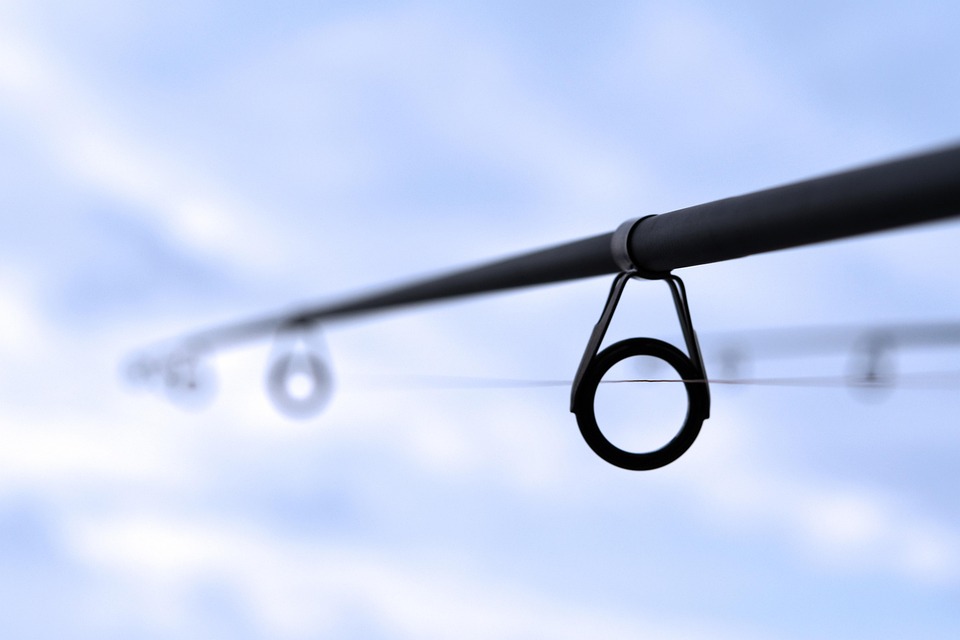
Heavy-duty rods, typically 6 to 7 feet long, are essential for managing the powerful Marlin. Reels designed for deep-sea fishing must have high line capacity and a strong drag system. Popular choices include the Penn International and Shimano Tiagra series, famed for their reliability and performance.
Fishing Line and Lures
For marlin fishing, anglers often opt for braided lines, such as Spectra, due to their strength and sensitivity. It’s common to use lures like trolling bait, with colors such as blue, green, or silver proven to attract attention from these striking fish.
Safety Gear and Essentials
As with any fishing expedition, safety should always be a priority. Life jackets, first-aid kits, sun protection, and sufficient food and water should be part of any fishing venture. Additionally, many anglers invest in GPS and sonar systems to track fish and navigate the sometimes unpredictable waters.
Techniques for Success
Successfully catching a Marlin is an art that requires a blend of knowledge, skill, and a bit of luck. Different techniques can be employed, including trolling, casting, or chumming.
Trolling
Trolling is the most common technique for Marlin fishing. Anglers use multiple lines, dragging lures at varying depths and speeds to attract fish. The key is to keep an eye out for signs of Marlin, such as birds diving as they feed on smaller baitfish.
Chumming
Chumming involves attracting fish by dispersing bait into the water. This method is beneficial as it increases the chances of drawing Marlin towards the boat while offering a more direct chance of hooking them.
The Fight: A True Test of Strength
Once a Marlin is hooked, the real adventure begins. These fish are known for their acrobatic displays, often leaping several feet out of the water, showcasing their incredible strength. The battle can last anywhere from 30 minutes to several hours, testing the endurance of the angler as well.
It’s crucial for the angler to stay calm and maintain a steady pressure on the line, while also being mindful of the fish’s movements. This delicate dance can be both frustrating and exhilarating, leading to moments of sheer triumph or deep disappointment if the fish escapes.
Conservation: The Responsibility of Anglers
As the popularity of Marlin fishing continues to grow, so does the responsibility among anglers to ensure sustainable practices. Overfishing and habitat loss threaten the delicate ecosystems these majestic fish rely on. Many fishermen advocate for catching and releasing practices, which allow these incredible creatures to thrive and reproduce.
Catch and Release
Catch and release is a widely supported practice in the sportfishing community. When conducted properly, it can ensure that the fish have the highest chance of survival after being caught. Anglers are encouraged to use circle hooks, minimize fight time, and handle fish as little as possible to ensure their safe return.
The Community: The Bonding Experience
The Marlin fishing community is vibrant and welcoming, drawing enthusiasts of all levels. Shared experiences often create lasting bonds between anglers, whether aboard a charter boat or during local fishing tournaments. There are numerous fishing clubs and organizations dedicated to fostering connections among fishermen while promoting sustainable practices and education.
Many fishing tournaments, such as the Bisbee’s Black and Blue Marlin Tournament in Cabo San Lucas, have become social events that celebrate the sport. Here, anglers collect not only prizes but stories of triumph and the friendships forged during the chase.
Conclusion
Marlin fishing is more than just a sport; it’s an adventure defined by the thrill of the chase and the breathtaking beauty of nature. From the excitement of battling one of the ocean’s most formidable creatures to the camaraderie shared among fellow anglers, the pursuit of Marlin is a continuous journey filled with unforgettable memories and lessons. By practicing responsible fishing, fishermen can contribute to the preservation of these magnificent species while enjoying all that the sport has to offer. The allure of chasing giants will call to many for years to come, creating a legacy for future generations of anglers.
FAQs
A: The best time for Marlin fishing varies by location. In general, warmer months, particularly in late spring and summer, tend to offer the best chances of encountering Marlin.
A: Yes, most regions require anglers to have a valid fishing license, especially for ocean fishing. Always check local regulations.
A: While Marlin fishing can be challenging due to the size and strength of the fish, beginners can join charter boats with experienced crews to learn the basics.
A: Many anglers practice catch and release to ensure that the fish can continue to thrive in their natural habitat. If kept, Marlin can be used for food, but it’s important to follow local regulations regarding size and quantity.
- big game angling
- big game fishing
- big game fishing baits
- big game fishing destinations
- big game fishing gear
- big game fishing guides
- big game fishing lures
- big game fishing reels
- big game fishing rods
- big game fishing tactics
- big game fishing techniques
- big game fishing trips
- bluewater fishing
- deep ocean fishing
- deep sea fishing
- giant trevally fishing
- kingfish fishing
- mahi mahi fishing
- marlin fishing
- monster fish fishing
- offshore fishing
- offshore trolling
- pelagic fishing
- sailfish fishing
- shark fishing
- sportfishing offshore
- swordfish fishing
- trophy fishing
- tuna fishing
- wahoo fishing











Leave a comment