








Carp fishing is not merely a pastime; for many, it is a way of life that intertwines patience, skill, and a deep appreciation for nature. While the thrill of catching a hefty carp can be exhilarating, the foundation of success lies in mastering the art of casting. This article aims to equip new carp fishermen with the essential casting techniques and tips to enhance their fishing experience.
Understanding Carp Behavior
Before diving into casting techniques, it’s crucial to understand the behavior and habits of carp. Unlike other fish species, carp are often bottom feeders and have unique feeding patterns that make them a challenge to catch.
- Feeding Times: Carp are generally more active during dawn and dusk, making it essential to plan your fishing trips around these times.
- Habitat: They tend to frequent shallow waters, especially near weed beds, structures, and muddy banks where they can forage for food.
- Weather Patterns: Overcast days can increase carp activity, as they feel safer to roam and feed under low-light conditions.
Types of Casting Techniques
Mastering casting techniques is imperative for successful carp fishing. There are several types of casts that every new carp fisherman should learn:
1. The Overhead Cast
This is perhaps the most common casting technique. It allows for great distance and provides accuracy. Here’s how to perform it:
- Grip: Hold the rod with a firm grip, placing your thumb on top for better control.
- Back Cast: Lift the rod above your head, creating a 90-degree angle with the ground.
- Forward Cast: Propel the rod forward smoothly, releasing the line once your rod reaches a 45-degree angle.
2. The Sidearm Cast
This cast is especially useful in reaching areas with lower overhead clearance, such as under trees. The technique involves:
- Positioning: Stand sideways to your target area.
- Movement: Swing the rod to the side, allowing the line to follow in a horizontal path before releasing.
3. The Underhand Cast
Ideal for short distances and controlled placements, the underhand cast is excellent for feeding spots:
- Launch: Start with the rod tip at waist level while holding the reel in the same position.
- Fluid Motion: With a smooth motion, bring the rod backward and then propel it forward, releasing the line just above the water’s surface.
Tackling Gear Setup
Your casting success is not solely about the technique; your gear also plays a significant role. Here’s what to consider:
1. Rod Selection
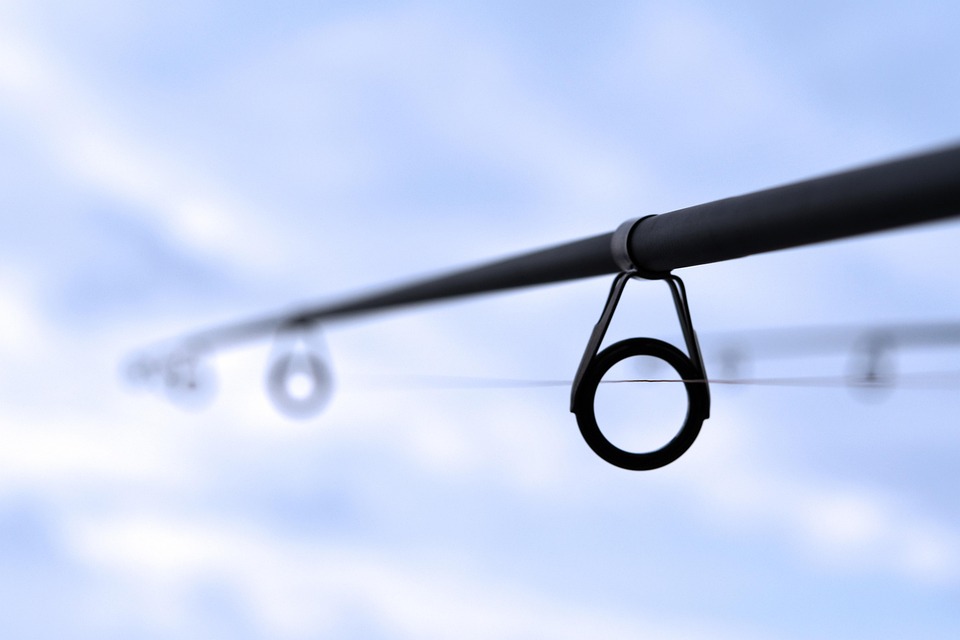
Choosing the right rod is essential for effective casting. Consider the following:
- Length: A longer rod (around 12 to 15 feet) provides better leverage and distance.
- Action: Select a rod with a medium to medium-heavy action to handle larger carp.
2. Reel Quality
A reliable reel can make a significant difference in your casting. Look for:
- Drag System: A smooth drag system allows for better line management.
- Line Capacity: Ensure the reel can hold sufficient line to handle long runs by struggling carp.
3. Line and Hook
Consider using braided line for its strength and sensitivity, along with a hook size appropriate for carp:
- Hook Size: Typically, size 6 to 10 hooks are effective for carp.
- Leader Line: A fluorocarbon leader enhances invisibility underwater, increasing your chances.
The Importance of Baiting
Effective casting is often paired with strategic baiting. Carp respond well to various baits, but the key is in the approach:
1. Types of Baits
Some popular baits for carp include:
- Boilies: Versatile and available in various flavors.
- Particle Baits: Items like sweet corn or hemp seeds can attract more carp.
- Homemade Mixes: A combination of sweet and savory ingredients can yield great results.
2. Baiting Strategy
Effective bait placement can significantly impact your success. Techniques include:
- Spod Mix: Use a spod to accurately distribute bait at your fishing spot.
- Chumming: Toss some bait in a wide area to draw carp in.
Practicing Your Cast
As with any skill, practice is key. Allocate time to hone your casting techniques even when you’re not on the water. Simple backyard practices can immensely improve your precision and distance.
Visualization and Simulation
Imagine your target area while practicing. Use markers to simulate where you’d like to cast. This mental visualization aligns your technique with your intended goal.
Recording Progress
Take notes or make a journal of your casting sessions. Documenting your successes and failures helps refine your technique effectively.
Community and Resources
Lastly, connect with local carp fishing communities and forums. Engaging with other fishermen can provide invaluable insights, tips, and support throughout your journey.
Conclusion
For new carp fishermen, mastering the art of casting is a journey filled with determination and learning. By understanding carp behavior, practicing various casting techniques, and utilizing the right gear, you pave the way for successful and enjoyable fishing experiences. Remember, patience is your best companion in this endeavor—every cast brings you closer to understanding and catching these magnificent fish. So gear up, practice, and cast your way to success!
FAQs
1. What is the best time of day to go carp fishing?
The best times to fish for carp are usually during dawn and dusk when they are most active.
2. Can I use regular fishing rods for carp fishing?
While regular fishing rods can be used, specialized carp rods, which are longer and have a heavier action, are recommended for better performance.
3. What bait is most effective for carp?
Boilies, sweet corn, and various particle baits have shown to be effective in attracting carp.
4. How far can I cast my line for carp fishing?
With practice, new fishermen can aim to cast between 50 to 100 yards. Experienced anglers often cast even farther.
5. Is carp fishing allowed in all bodies of water?
It’s essential to check local regulations regarding carp fishing, as some areas may have restrictions or specific guidelines.
- beginner bass fishing
- beginner carp fishing
- beginner catfish fishing
- beginner fishing advice
- beginner fishing baits
- beginner fishing gear
- beginner fishing guides
- beginner fishing guides online
- beginner fishing knots
- beginner fishing lures
- beginner fishing mistakes
- beginner fishing reels
- beginner fishing rods
- beginner fishing strategies
- beginner fishing techniques
- beginner fishing tips
- beginner fishing trips
- beginner fishing tutorials
- beginner fishing videos
- beginner fly fishing
- beginner freshwater fishing
- beginner muskie fishing
- beginner panfish fishing
- beginner pike fishing
- beginner saltwater fishing
- beginner trout fishing
- fishing basics
- fishing for beginners
- how to fish
- new anglers tips










Leave a comment