





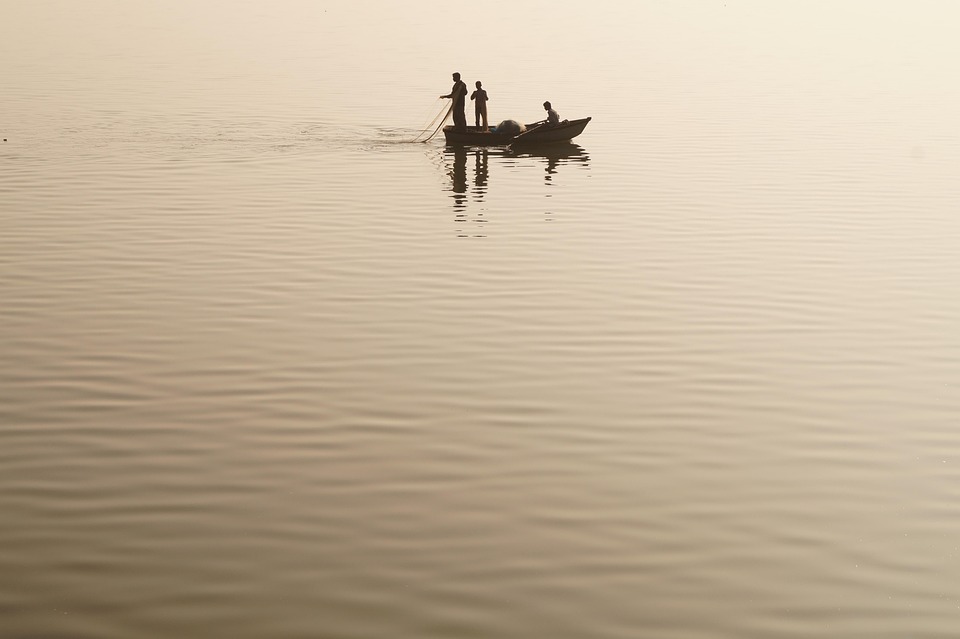




Freshwater fishing has a unique charm, capturing the hearts of millions across the globe. From tranquil lakes to rushing rivers, the allure of casting a line into the water is an experience cherished by many. This guide aims to equip beginners with essential knowledge and tips to embark on their fishing journey, enhancing enjoyment while fostering a sustainable fishing practice.
The Basics of Freshwater Fishing
Before diving into advanced techniques and tactics, it’s vital to understand the basic elements of freshwater fishing. The primary factors include:
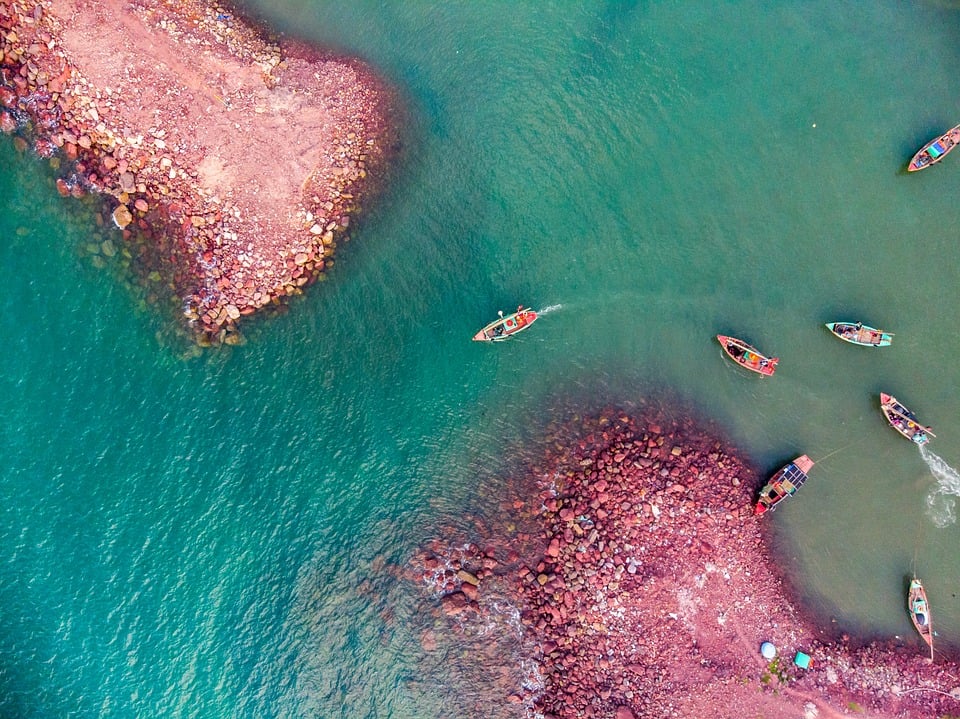
- Understanding Water Bodies: Freshwater fishing typically occurs in lakes, rivers, ponds, and streams. Each type of water body has its own unique ecosystem.
- Fishing Regulations: Familiarize yourself with local fishing regulations. Most regions require anglers to have a fishing license and adhere to specific limits on catch size and quantity.
- Fish Species: Common species in freshwater environments include bass, trout, catfish, and panfish. Understanding the habits and habitats of these species helps in planning your outing.
Essential Gear for Beginners
Having the right equipment is crucial for a successful freshwater fishing experience. Here’s a breakdown of essential gear:
Fishing Rod and Reel
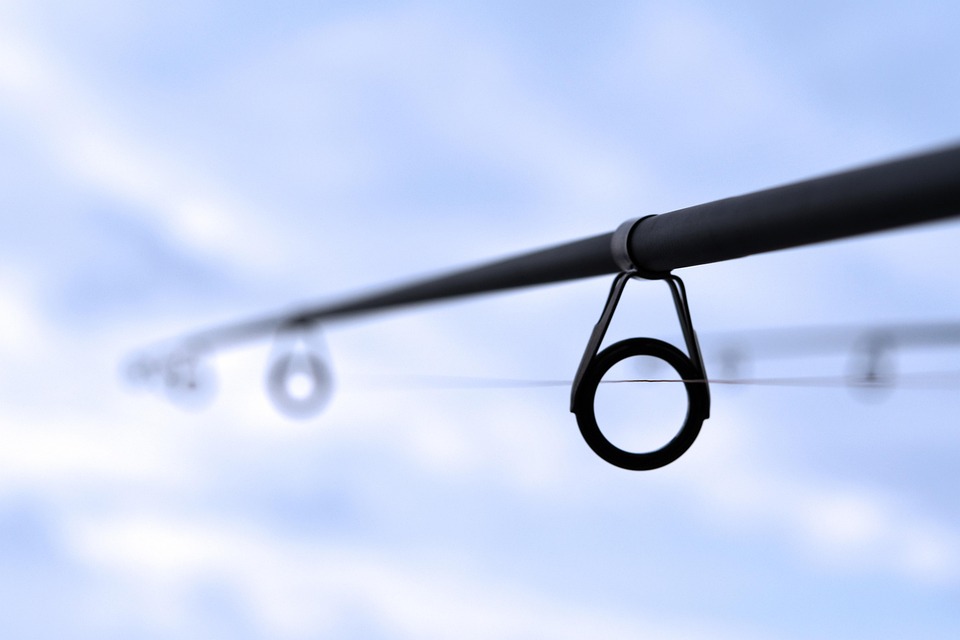
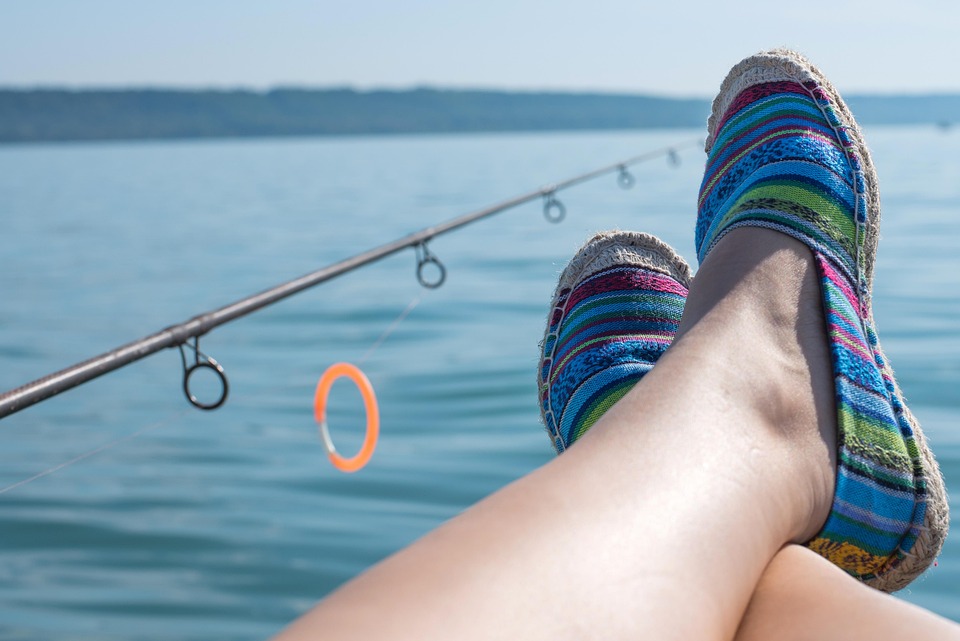
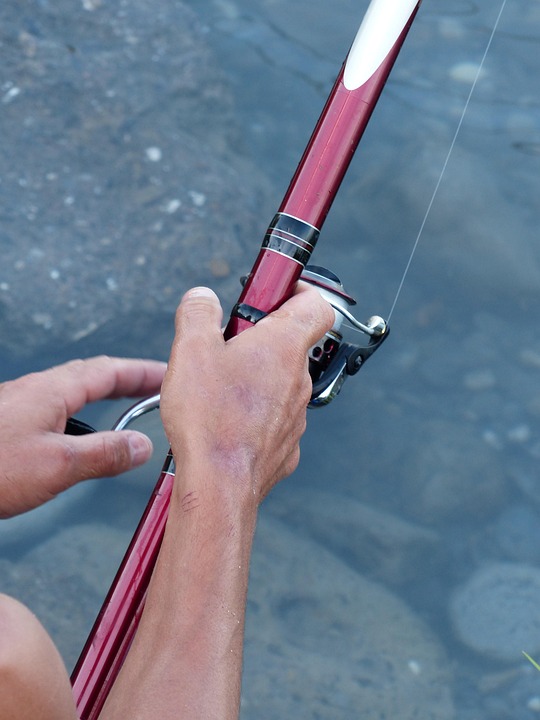
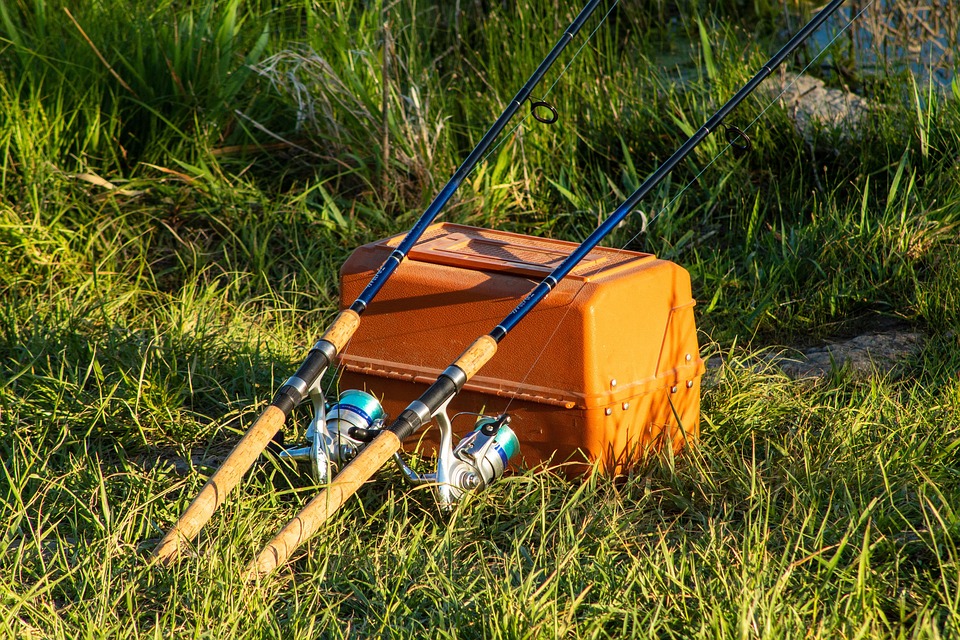
A fishing rod acts as your main tool for casting. Options range from spinning rods to baitcasting rods. A beginner-friendly spinning rod is often recommended for its ease of use. Pair it with a spinning reel that matches the rod’s specifications.
Fishing Line
Monofilament line is a great starting point due to its versatility. Look for a line with a test strength appropriate for the species you’re targeting. Generally, a 6-12 lb test line works well for most beginners.
Baits and Lures
Natural baits like worms, minnows, and crickets are good options for beginners, as they attract various fish species easily. Lures can also be effective and come in different types:
- Spinnerbaits: Great for bass fishing.
- Crankbaits: Mimic injured fish or frogs.
- Soft Plastics: Versatile and can be rigged in multiple ways.
Other Accessories
Don’t forget essential accessories like a tackle box, fishing pliers, hooks, bobbers, and fishing nets. A hat, sunscreen, and water are also important to ensure comfort on long fishing trips.
Choosing the Right Location
Identifying a suitable fishing spot can significantly enhance your success rate. Here are some tips on where to fish:
- Research Local Hotspots: Use online resources, forums, or ask local anglers for recommendations.
- Observe Water Conditions: Look for areas with structures like submerged rocks, fallen trees, or weed beds where fish typically hang out.
- Check for Community Events: Sometimes, local fishing tournaments or community events provide insight into potential good fishing areas.
Techniques to Master
As a beginner, learning a few fundamental fishing techniques can make all the difference:
Cast and Retrieve
This basic technique involves casting your line and retrieving it back while maintaining tension. Experiment with the speed of your retrieval to mimic prey movement.
Bottom Fishing
Often used with heavier weights, this technique involves letting the bait rest near the bottom of the water body where fish like catfish and some bass often feed.
Drift Fishing
This technique is common in rivers, where you let the current carry your bait downstream. It’s effective for targeting species like trout.
Understanding Fish Behavior
Knowledge about fish behavior can dramatically improve your fishing success. Here are important points to consider:
- Feeding Times: Fish are often more active during dawn and dusk, making these ideal times to fish.
- Water Temperature: Fish tend to become less active in colder water, while warm water (70-85°F) often triggers feeding feasts.
- Weather Patterns: Overcast days can lead to better fishing conditions, as fish feel more secure to venture out from cover.
Sustainable Fishing Practices
As you embark on your fishing journey, it’s crucial to adopt sustainable practices. Here are a few tips:
- Catch and Release: Consider releasing fish that you do not plan to keep. Handle fish gently and minimize their time out of the water.
- Follow Regulations: Always adhere to local rules and guidelines to protect fish populations and their habitats.
- Leave No Trace: Clean up your fishing area, disposing of trash properly to maintain the ecosystem.
Conclusion
Freshwater fishingis a rewarding and exciting activity that offers a chance to connect with nature, experience the thrill of the catch, and bond with friends and family. Armed with knowledge about gear, techniques, fish behavior, and conservation, you’re now set to embark on your fishing adventures. The best way to learn is through practice, patience, and the joy of being on the water. So, grab your gear, find a nearby lake or river, and get ready to cast your line!
FAQs
1. Do I need a fishing license?
Yes, most regions require anglers to obtain a fishing license. Check your local regulations to ensure compliance.
2. What is the best time of day to fish?
Fishing is often best during dawn and dusk when fish are more active. However, this can vary based on the species and environmental conditions.
3. What is the best bait for beginners?
Live baits like worms, minnows, and crickets are excellent choices for beginners, as they tend to attract various fish species.
4. Can I fish from the shore?
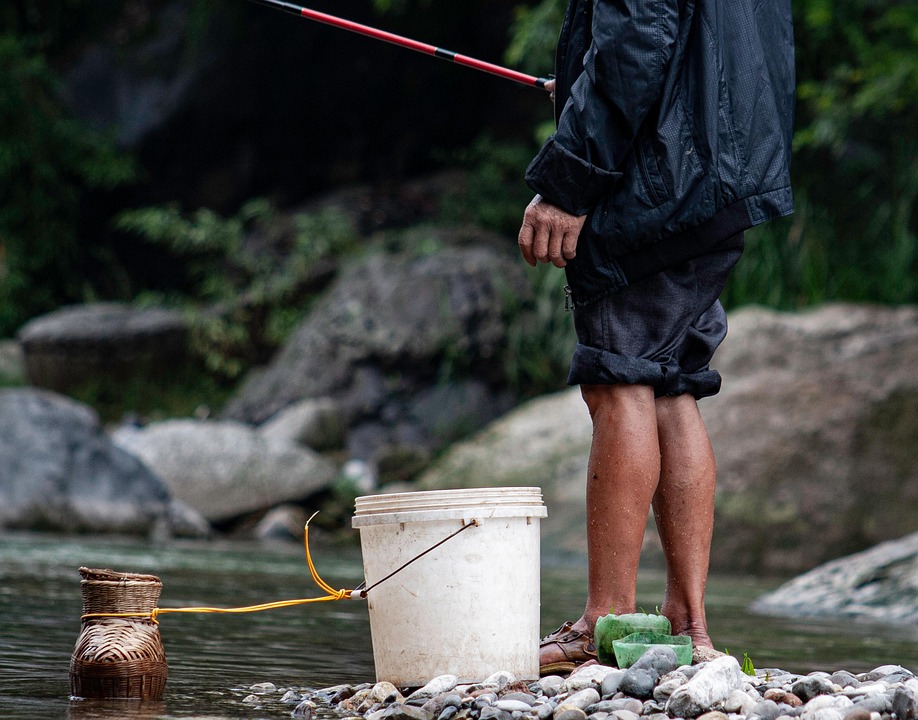
Absolutely! Many beginners start by fishing from the shore, which can be just as productive as using a boat.
5. How do I know if a fish is biting?
You’ll often feel a tug on the line or see the bobber move. It’s essential to pay attention to your line for these signs.
- beginner bass fishing
- beginner carp fishing
- beginner catfish fishing
- beginner fishing advice
- beginner fishing baits
- beginner fishing gear
- beginner fishing guides
- beginner fishing guides online
- beginner fishing knots
- beginner fishing lures
- beginner fishing mistakes
- beginner fishing reels
- beginner fishing rods
- beginner fishing strategies
- beginner fishing techniques
- beginner fishing tips
- beginner fishing trips
- beginner fishing tutorials
- beginner fishing videos
- beginner fly fishing
- beginner freshwater fishing
- beginner muskie fishing
- beginner panfish fishing
- beginner pike fishing
- beginner saltwater fishing
- beginner trout fishing
- fishing basics
- fishing for beginners
- how to fish
- new anglers tips









Leave a comment