










Freshwater tilapia fishing offers a unique blend of leisure, education, and sustenance that appeals to a broad range of fishing enthusiasts. Whether you are a seasoned angler or someone looking to explore a new hobby, tilapia fishing provides an immense satisfaction that comes from catching your meal right out of the water. More than just a fishing activity, it culminates in a culinary experience that is fresh, healthy, and delicious.
The Allure of Tilapia
Tilapia are often referred to as “the fish of the people.” With their high reproduction rate, rapid growth, and adaptability, they have emerged as one of the most widely farmed fish globally. Native to Africa and the Middle East, these fish have been successfully transported to various regions, thriving in warm freshwater ponds, lakes, and rivers.
One of the primary appeals of tilapia is its mild flavor and versatile texture, making it a favorite for various culinary applications. From grilling to frying and baking, tilapia integrates seamlessly into diverse cuisines. Additionally, this fish is a rich source of protein, omega-3 fatty acids, and essential vitamins, making it an excellent choice for health-conscious individuals.
The Freshwater Experience
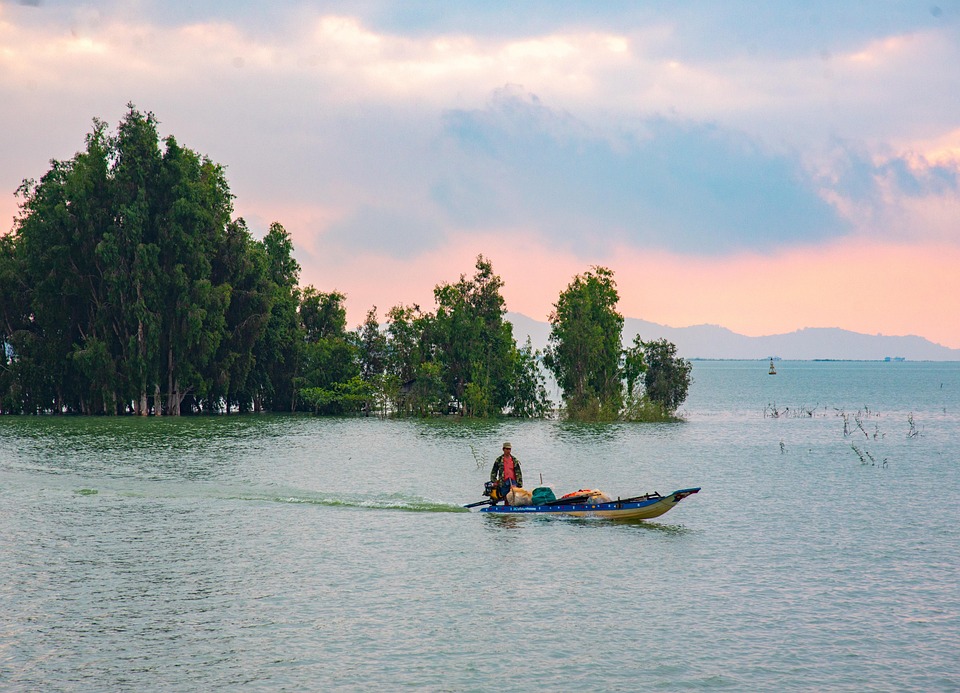
Freshwater fishing for tilapia typically occurs in ponds or lakes that are well-stocked and managed. The tranquil setting and the simplicity of this experience can be mesmerizing, making any outing an opportunity for relaxation. Many fishers enjoy the serene environment that freshwater fishing offers, often combining it with family outings, picnics, or simply a solo escape from daily life.
Unlike saltwater fishing, where conditions can be more turbulent and hazardous, freshwater fishing for tilapia is generally safe and accessible. Many fishing spots have well-maintained facilities, making it easy for families or beginners to engage in this recreation. This accessibility contributes to the widespread popularity of tilapia fishing.
Tilapia Fishing Techniques
When it comes to tilapia fishing, various techniques can be employed for a successful catch. Here are some effective methods:
1. Bait and Lure Fishing
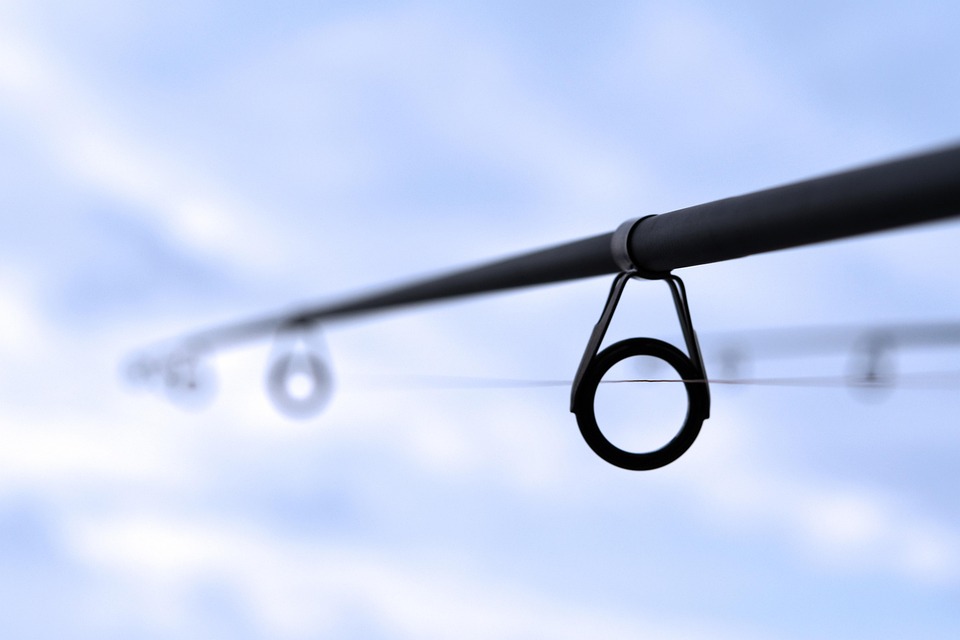
One of the most common ways to catch tilapia is through bait fishing. Opt for worms, insects, or dough balls—all appealing options that can entice this fish. Using light tackle and small hooks optimized for tilapia can increase your chances of a successful catch.
2. Fly Fishing
For those who enjoy the art of fly fishing, tilapia can also be caught with this method. Utilizing small, colorful flies resembling natural food sources can prove effective. Observing the water for feeding activity and casting in those areas can improve your odds of landing a fish.
3. Hook and Line
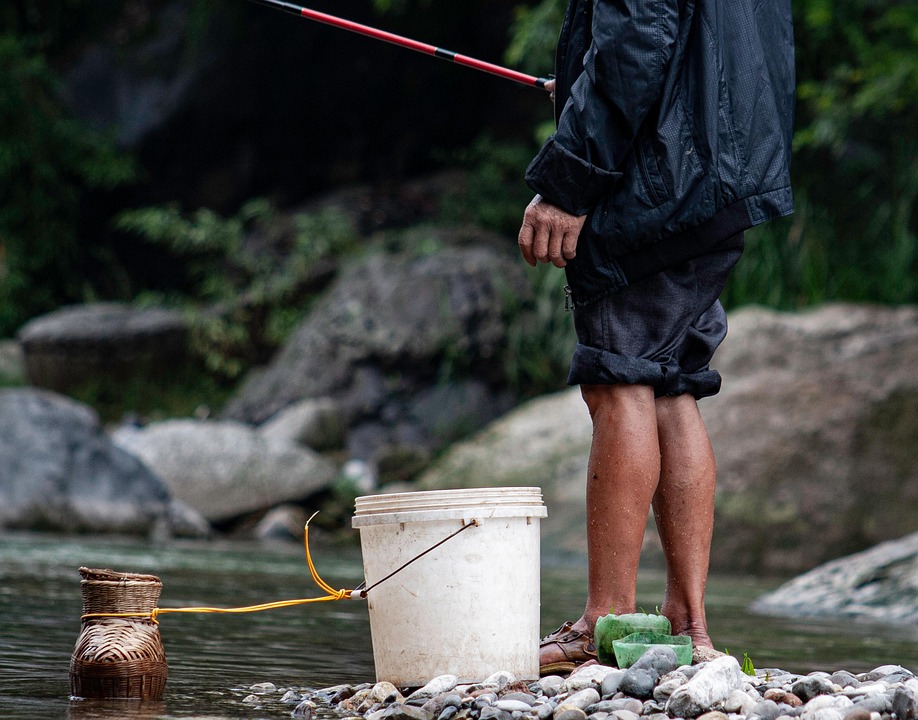
This method is straightforward yet effective. A simple setup with a hook attached to a line can yield great results. Positioning yourself near vegetation—where tilapia often hide—can lead to exciting catches.
4. Net Fishing
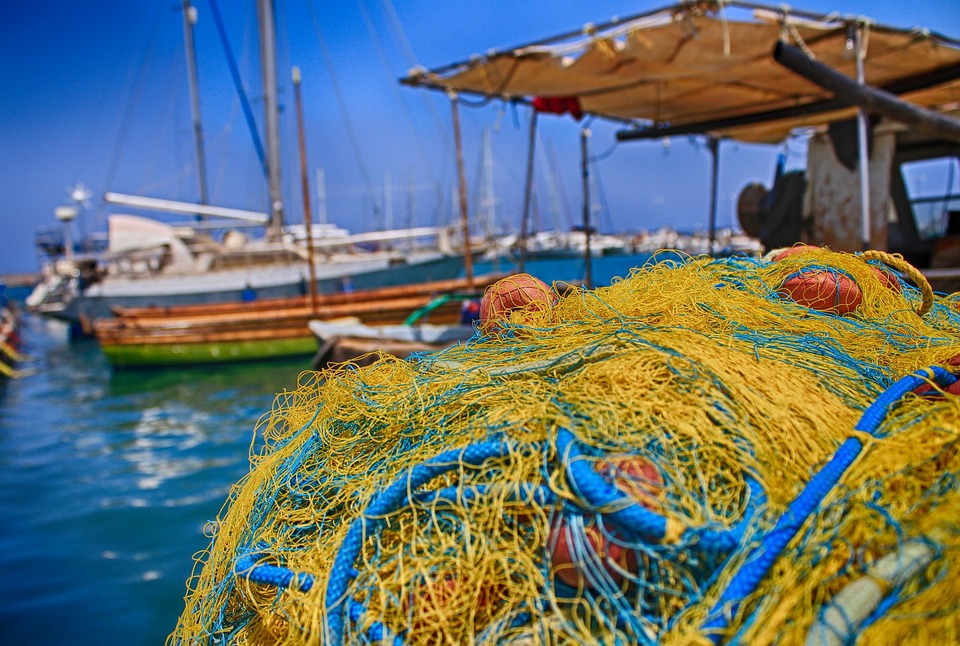
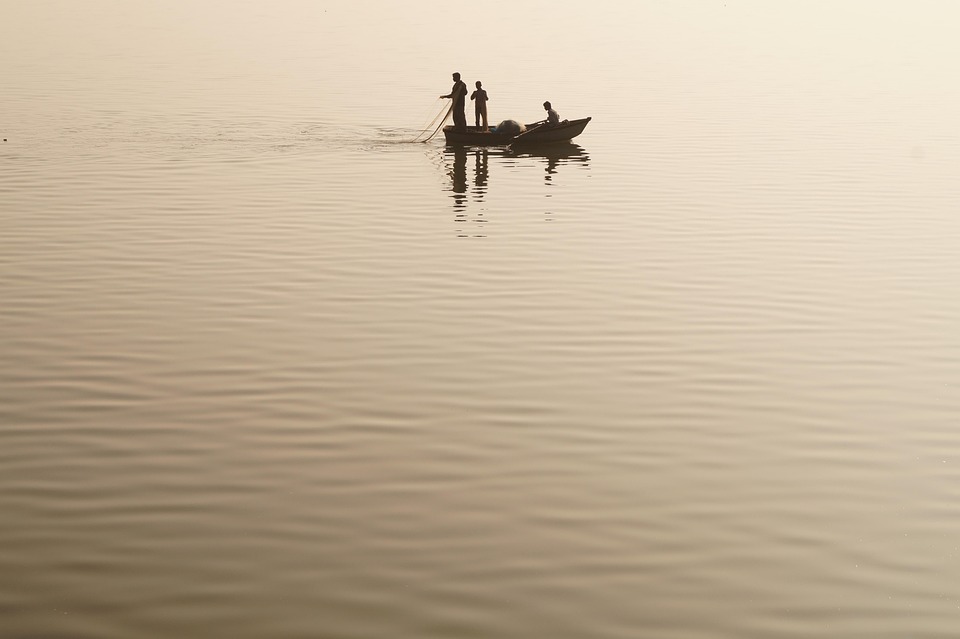
For those looking at a more communal approach, net fishing can also be a fun activity, especially in groups. This method does require some knowledge of regional regulations, but when done responsibly, it can yield a substantial haul.
Responsible Fishing Practices
Like any form of fishing, it’s crucial to observe responsible fishing practices to protect the fish population and the environment. Sustainable fishing practices include:
- Being aware of local fishing regulations, including size and bag limits.
- Practicing catch and release when appropriate.
- Using eco-friendly gear to minimize environmental impact.
- Avoiding sensitive habitats while fishing.
Dedicating time to understand the ecosystem and maintaining conservation efforts can ensure that tilapia remains a sustainable resource for future generations.
The Culinary Joys of Freshwater Tilapia
Once you’ve caught your tilapia, the next exciting phase begins: preparing and cooking your fresh catch. The versatility of tilapia allows for a myriad of recipes, ensuring there is something for every palate.
1. Grilling
Grilling tilapia is a simple yet effective method that enhances its flavor. A touch of olive oil, fresh herbs, and lemon can turn a straightforward fillet into a gourmet meal.
2. Baking
Baking is another healthy option. Topping tilapia fillets with a mixture of breadcrumbs, garlic, and herbs can create a delightful crunch while keeping the fish moist.
3. Pan-frying
For a crispy treat, pan-frying tilapia in a light batter yields a deliciously crunchy exterior while maintaining tenderness inside. Served with a side of vegetables, this dish is both hearty and satisfying.
4. Tacos
Tilapia fish tacos have become increasingly popular. Using fresh tortillas topped with slaw, avocado, and a zesty sauce can elevate your meal into a flavorful dining experience.
Participating in Tilapia Fishing Community
Engaging in tilapia fishing is not just about the physical act of catching fish; it’s also about becoming part of a community. Local fishing clubs often host tournaments, where anglers can compete in a friendly environment while improving their skills. These gatherings foster camaraderie and a shared love for fishing and the outdoors.
Joining online forums can also connect you with like-minded individuals, offering advice, sharing tips, and further enhancing your knowledge about tilapia fishing. This sense of community encourages the sharing of valuable resources regarding fishing spots, techniques, and recipes.
Conclusion
The journey from pond to plate in freshwater tilapia fishing encapsulates a rich tapestry of joy, relaxation, and community engagement. The experience is about more than just the catch; it’s about appreciating nature, learning sustainable practices, and enjoying the fruits of your labor through nutritious and delicious meals. As you cast your line, remember that every moment spent connecting with the water reinforces your bond with nature and promotes responsible fishing practices for future generations. Dive into tilapia fishing; it’s more than an activity; it’s a lifestyle that combines adventure and nourishment in the happiest of ways.
FAQs
What is the best time to fish for tilapia?
Tilapia are most active during warmer months, particularly between spring and early fall. Early mornings and late afternoons tend to be the most productive times for fishing.
What are the best lures for catching tilapia?
Tilapia are known to be attracted to live bait like worms, but you can also use soft plastic baits and small jigs. Colors like chartreuse and pink tend to be effective.
Is tilapia fishing suitable for beginners?
Absolutely! Freshwater tilapia fishing is an excellent starting point for beginners due to its accessibility and the abundance of resources available for learning.
How do I ensure sustainable fishing practices?
Familiarize yourself with local fishing regulations, practice catch and release when appropriate, and avoid overfishing specific areas. Joining conservation efforts and respecting natural habitats also contribute to sustainability.
Can I farm tilapia at home?
Yes, home aquaculture systems can be set up for tilapia farming, provided you create a suitable environment – including the right temperature, water conditions, and feeding schedules.
- bass fishing
- Bluegill Fishing
- carp fishing
- catfish fishing
- Crappie Fishing
- freshwater angling
- freshwater bait fishing
- freshwater fishing
- freshwater fishing gear
- freshwater fishing guides
- freshwater fishing species
- freshwater fishing techniques
- freshwater fishing tips
- freshwater fly fishing
- freshwater spinning fishing
- inland fishing
- lake fishing
- lakes fishing
- largemouth bass fishing
- muskie fishing
- panfish fishing
- Perch Fishing
- pike fishing
- pond fishing
- reservoir fishing
- reservoirs fishing
- river fishing
- rivers fishing
- Salmon Fishing
- smallmouth bass fishing
- stream fishing
- Tilapia Fishing
- Trout Fishing
- Walleye Fishing














Leave a comment