


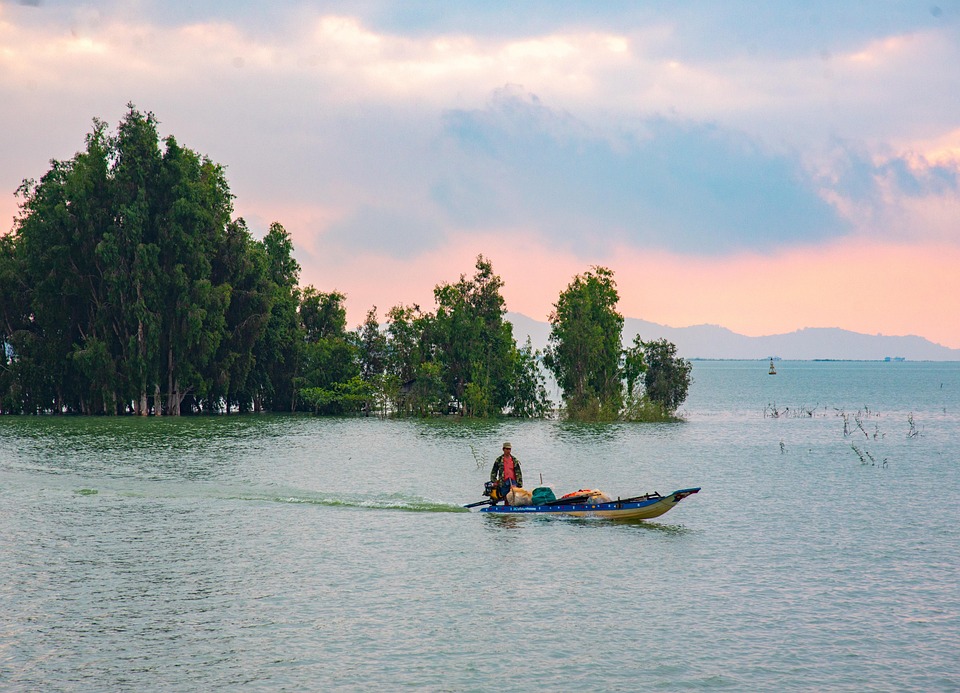
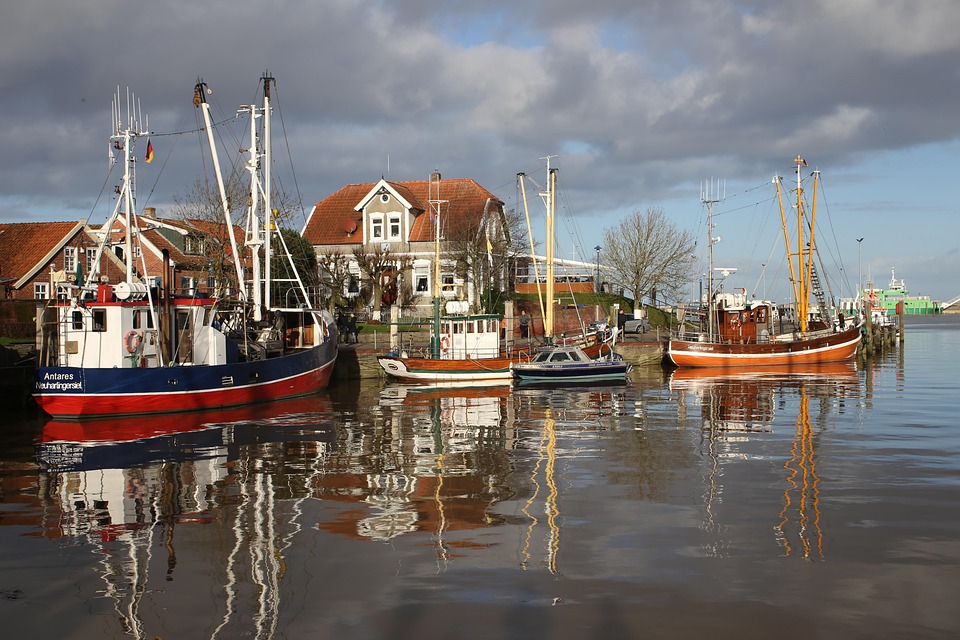
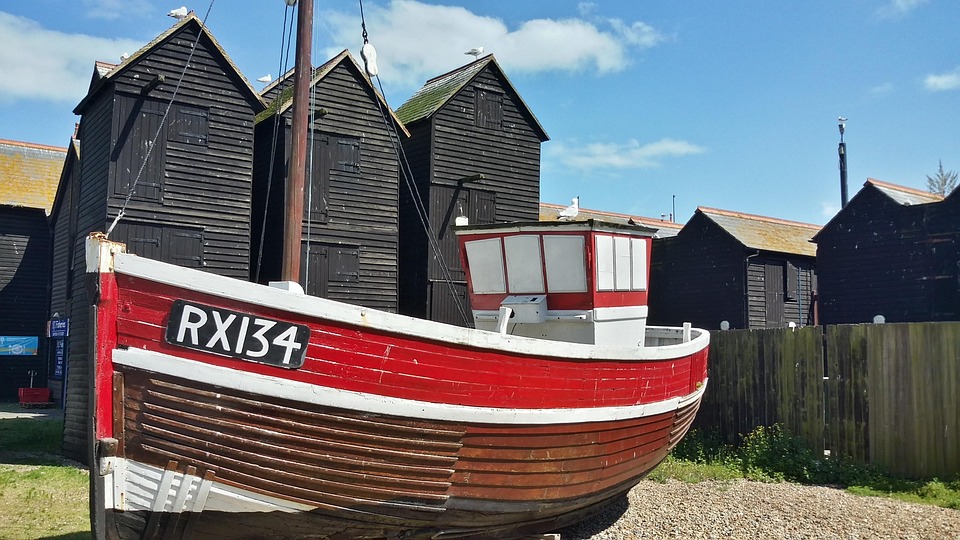




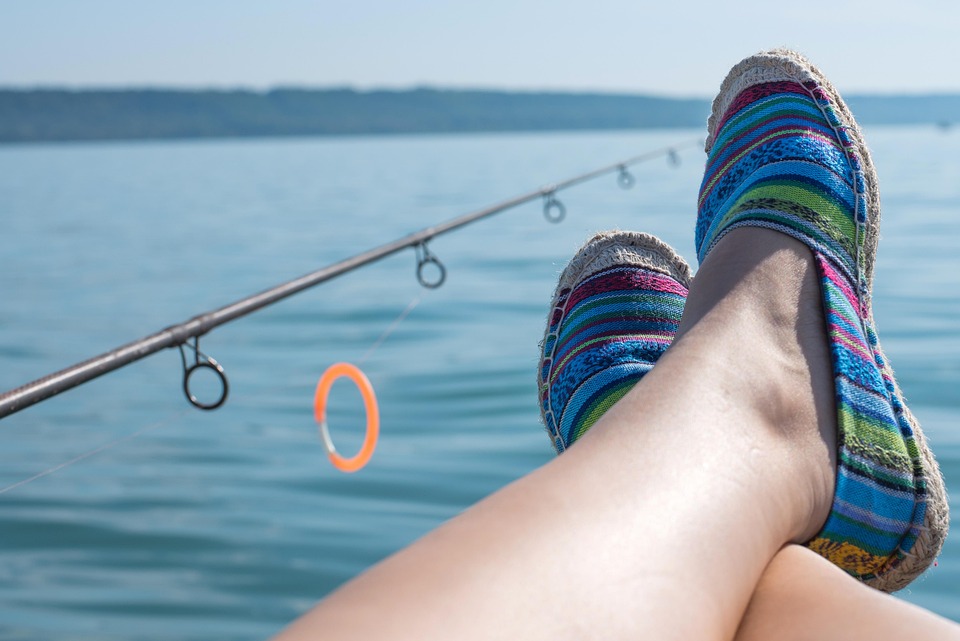


Big game fishing isn’t just a sport; it’s an adventure that beckons fishing enthusiasts to the vast, spirited oceans. With the thrill of battling massive fish—such as marlin, tuna, and swordfish—fishermen equip themselves with specialized gear that enhances their experience and helps them catch the giants of the deep.
This article delves into the indispensable gear needed for big game fishing, the kinds of fish to target, and tips to ensure your adventure is both thrilling and safe.
Understanding Big Game Fishing
Big game fishing, often conducted in deeper waters beyond the continental shelf, offers anglers the chance to catch trophy-sized fish. These expeditions can last for hours or even days, depending on the target species and fishing conditions. Popular destinations for big game fishing include the waters around the Bahamas, the Gulf of Mexico, and the Pacific coast.
Big game fishing is not only about the catch; it’s about the experience—breathtaking views, the camaraderie among fellow anglers, and the adrenaline rush of reeling in a massive fish. Understanding the required gear is crucial for a successful outing.
Essential Gear for Big Game Fishing
1. Fishing Rods
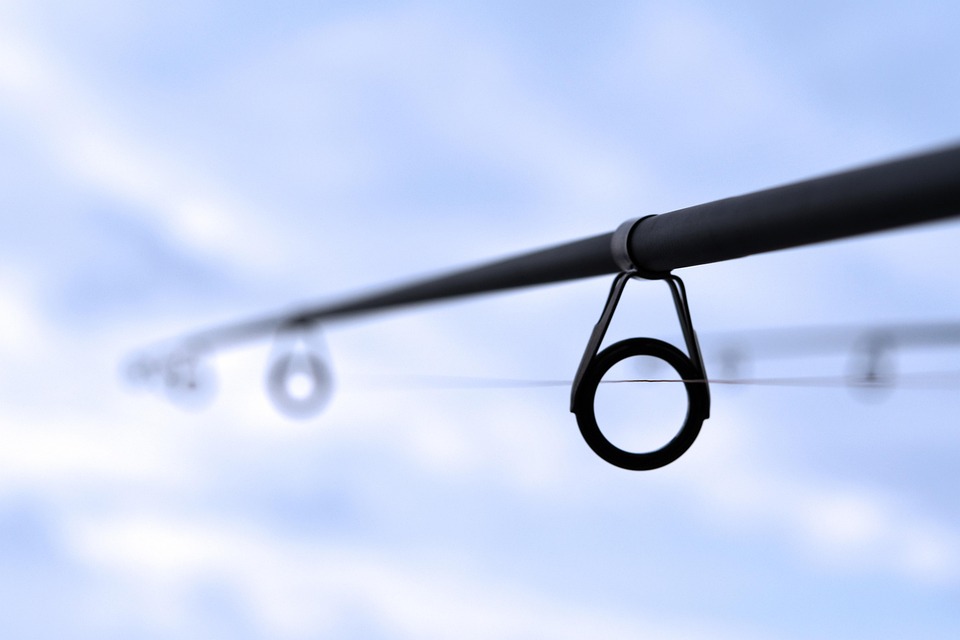
The backbone of any big game fishing setup is the fishing rod. When selecting a rod, consider its materials, length, and power rating:
- Material: Graphite and fiberglass rods are commonly preferred due to their durability and sensitivity.
- Length: Longer rods provide better leverage and casting distance, typically ranging from 6 to 8 feet for big game fishing.
- Power Rating: Choose a rod rated for heavy action to handle large fish weights efficiently.
2. Fishing Reels
Choosing the right reel is as critical as selecting the rod. There are two primary types of reels used in big game fishing:
- Conventional Reels: Best for heavy-line applications and big fish, these reels provide more control when fighting larger specimens.
- Spinning Reels: While they are easier to use, they may not be suitable for the largest game due to strength limitations.
3. Fishing Line
When targeting big game, using the right fishing line is essential. Heavy-duty monofilament or braided lines are recommended for their strength and sensitivity. Here are some factors to consider:
- Line Weight: Choose a line with a breaking strength of at least 50-80 pounds, depending on the target fish.
- Line Type: Braided lines generally offer better sensitivity and strength but come at a higher price point compared to monofilament options.
4. Hooks and Terminal Tackle
The choice of hooks can significantly influence your success. Circle hooks, J-hooks, and treble hooks all have their applications in big game fishing:
- Circle Hooks: These are often preferred as they reduce gut hooking, allowing for easier catch-and-release.
- Swivels and Snap Swivels: Essential for preventing line twist and making quick changes to your setup.
5. Bait
Choosing the right bait can be the difference between a successful trip and a fruitless one. Live bait such as mackerel, squid, or bunker is often more effective, but artificial lures like jigs and poppers can also be used:
- Live Bait: Fresh and lively bait holds the best chance of attracting big game fish.
- Artificial Lures: Invest in high-quality lures designed for big game fishing—these should mimic the movements of your target species’ prey.
6. Safety Gear
Big game fishing comes with its own set of risks. Always prioritize safety by including the following gear:
- Life Jackets: Ensure everyone on board has access to a properly fitting life jacket.
- First Aid Kit: Stock a fully equipped first aid kit for minor injuries.
- Emergency Beacon: Equip your boat with an emergency beacon or radio to call for help if needed.
Tips for an Enjoyable Big Game Fishing Experience
With the right gear, your big game fishing adventure can be a great experience. Here are some tips to enhance your outing:
1. Research Fishing Locations
Before embarking, research the best fishing spots in your chosen location. Understanding migratory patterns and seasonal trends in fish behavior will greatly increase your chances of success.
2. Maintain Your Gear
Regularly inspect and maintain your fishing gear. Rinse your reels with fresh water after each trip to remove salt buildup, check line for wear, and keep hooks sharp.
3. Utilize Technology
Use fish finders and GPS devices to provide information about underwater structures, temperature changes, and fish activity levels. These tools are invaluable for maximizing your fishing success.
4. Practice Catch-and-Release
While the thrill of catching a trophy is exhilarating, understanding sustainable fishing practices is crucial for the health of fish populations. Utilize catch-and-release techniques to ensure future generations of anglers can enjoy the same adventure.
Conclusion
Big game fishing represents more than just a sport; it’s an adventure filled with adrenaline, excitement, and the beauty of nature. Equipping yourself with the right gear—fishing rods, reels, lines, hooks, bait, and safety equipment—is essential for a successful and enjoyable experience.
By understanding your gear, practicing good fishing habits, and prioritizing safety, you can make the most out of your big game fishing trips. Whether you are a seasoned angler or just starting, the adventure of chasing the giants of the deep awaits—so gear up and get ready to cast your line into the open blue!
FAQs
1. What fish species can I expect to catch while big game fishing?
You can target a variety of species, including marlin, tuna, swordfish, mahi-mahi, and sharks, depending on your location and fishing regulations.
2. Do I need a fishing license for big game fishing?
Yes, you typically need a fishing license and may also be required to adhere to specific regulations regarding catch limits and sizes. Always check local laws before fishing.
3. How do I choose the right bait for big game fishing?
Choosing bait often depends on the species you are targeting. Research the local prey in the fishing area, and consider using live bait for better results.
4. Is it safe to go big game fishing alone?
While it is possible to fish alone, it’s safer to have a companion. Accidents can happen, and having someone with you can be crucial in case of emergencies.
5. What is the best time of year for big game fishing?
The best time varies by species and location. Generally, spring and summer months are more productive for big game fishing due to migratory patterns and warmer water temperatures.
- big game angling
- big game fishing
- big game fishing baits
- big game fishing destinations
- big game fishing gear
- big game fishing guides
- big game fishing lures
- big game fishing reels
- big game fishing rods
- big game fishing tactics
- big game fishing techniques
- big game fishing trips
- bluewater fishing
- deep ocean fishing
- deep sea fishing
- giant trevally fishing
- kingfish fishing
- mahi mahi fishing
- marlin fishing
- monster fish fishing
- offshore fishing
- offshore trolling
- pelagic fishing
- sailfish fishing
- shark fishing
- sportfishing offshore
- swordfish fishing
- trophy fishing
- tuna fishing
- wahoo fishing









Leave a comment