


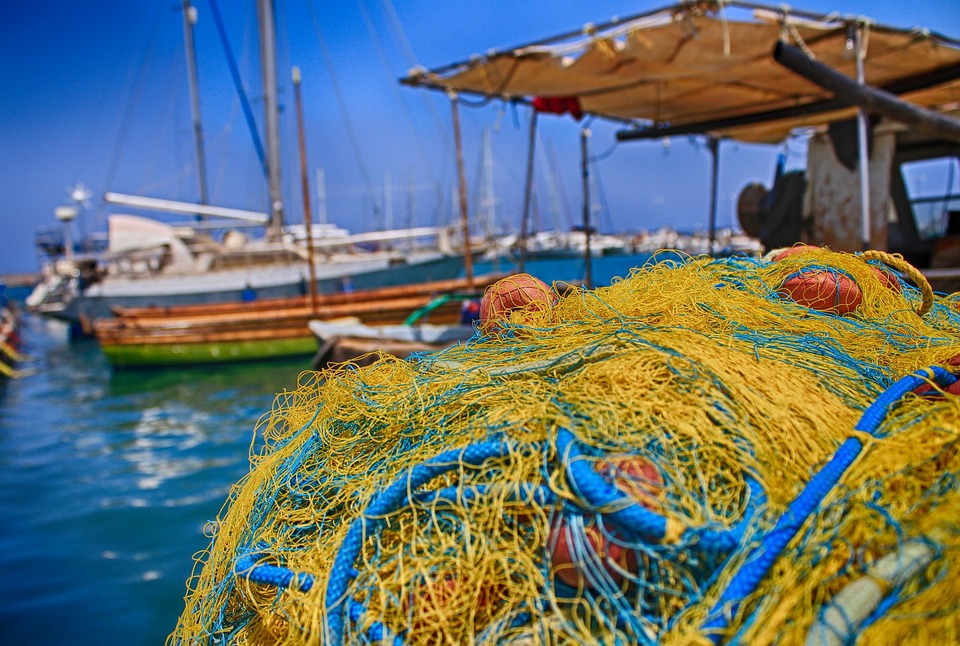






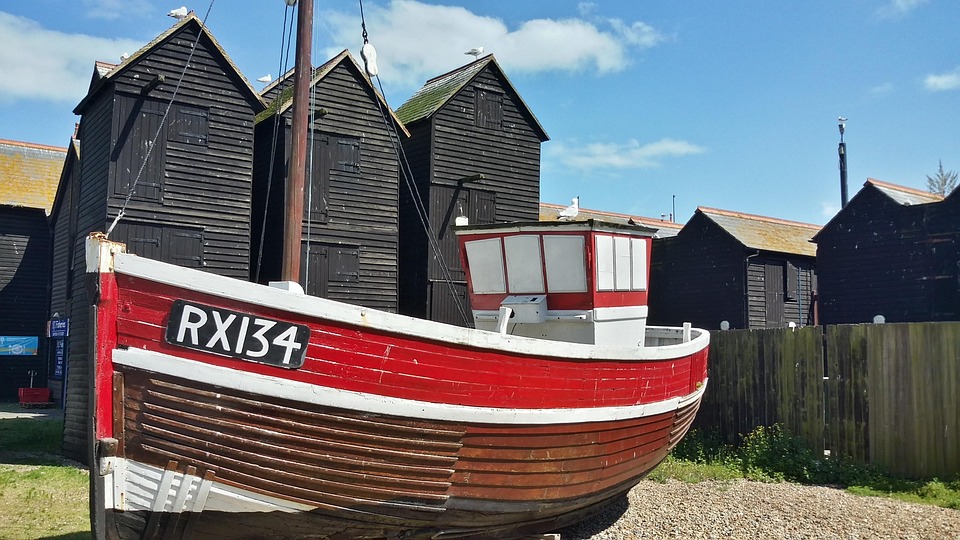
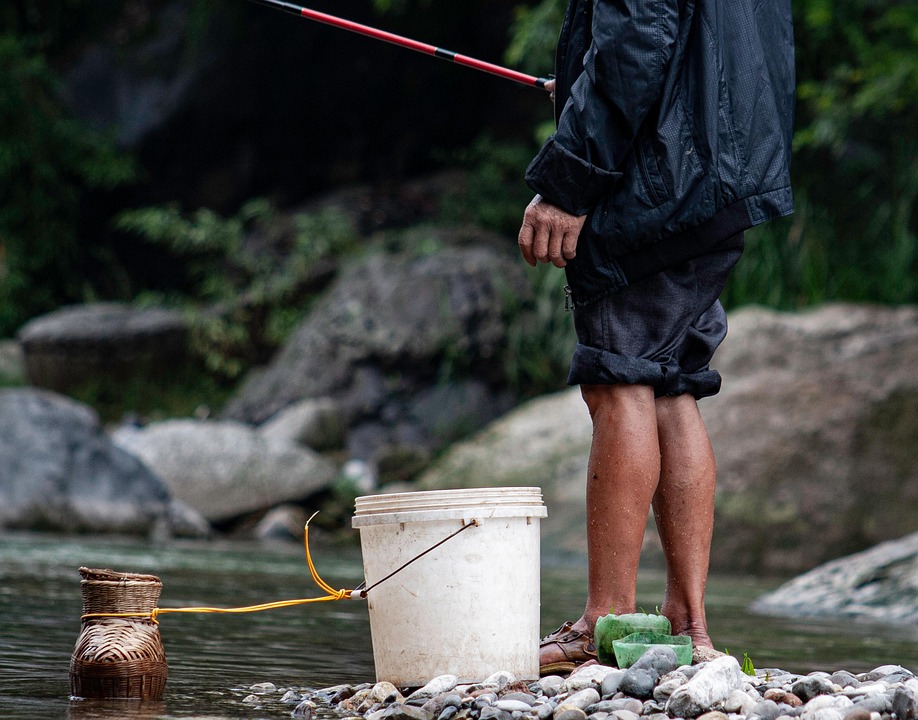


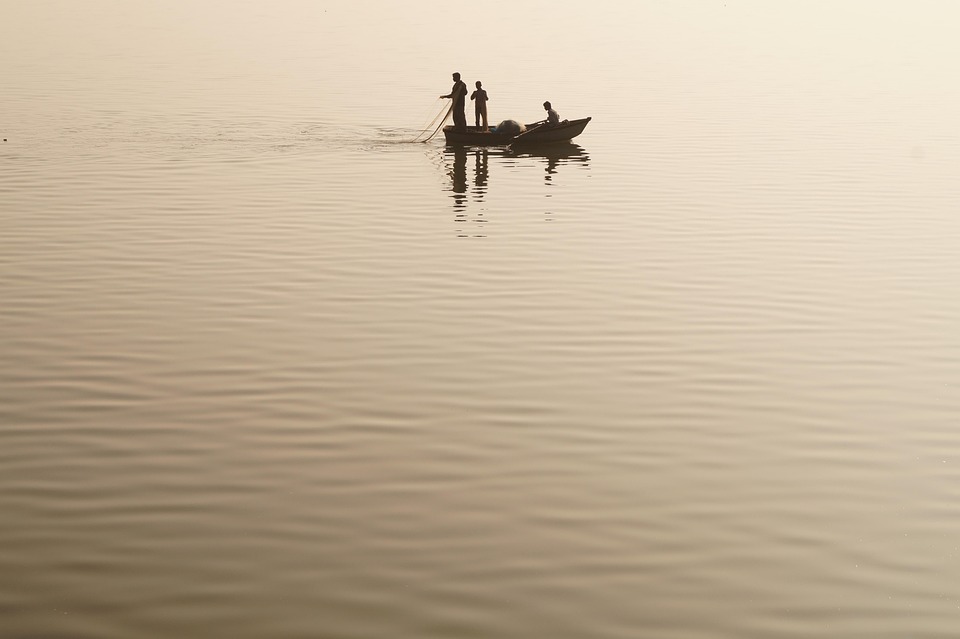







Fishing has long been cherished as a peaceful escape, a way to connect with nature, and a chance to bond with family and friends. Lakeside fishing presents an idyllic opportunity for seasoned anglers and beginners alike. The serene surroundings of a lake, the thrill of the catch, and the satisfaction of a freshly prepared meal are temptations that continue to draw people to fishing spots worldwide.
Understanding Lakeside Fishing
Lakeside fishing is not just about dropping a line and waiting for a bite; it’s a multifaceted experience that combines knowledge, strategy, and a bit of luck. Lakes can vary greatly in size, depth, and fish populations, meaning each fishing adventure requires tailored techniques and preparations.
Types of Lakes
Before embarking on your fishing adventure, it’s essential to understand the types of lakes you might encounter:
- Natural Lakes: Created by glacial movements, these lakes typically boast diverse ecosystems with varying fish species.
- Reservoirs: Man-made lakes designed for water storage, often rich in fish due to abundant food sources.
- Farm Ponds: Smaller lakes managed for recreational fishing, often stocked with specific fish types.
Popular Species to Catch
The types of fish you can catch vary significantly based on the lake you choose. Common species include:
- Bass: Known for their fight and size, they are popular among anglers.
- Trout: Found in cooler, clearer waters; known for being tricky to catch.
- Panfish: Includes bluegill and crappie; ideal for beginner anglers.
Preparing for Your Lakeside Adventure
Preparation is key to a successful fishing trip. Here’s a checklist to help you get started:
Essential Gear
- Fishing Rod and Reel: Choose a rod and reel suited for the type of fish you’re targeting.
- Fishing Line: Select a line with an appropriate weight for your fishing style.
- Baits and Lures: Consider live bait, artificial lures, or a combination of both.
- Fishing Tackle Box: Organize your gear to make your fishing experience hassle-free.
- Safety Gear: Life jackets, sunscreen, a first-aid kit, and proper clothing are essential.
Regulations and Licensing
Before casting your line, check the local regulations governing fishing in your chosen lake. Most states require a fishing license, and some lakes have specific restrictions on species, size limits, and seasonal regulations. Verifying these rules beforehand not only ensures compliance but also fosters sustainable fishing practices.
Fishing Techniques for Success
Understanding the basic techniques can dramatically improve your chances of a catch.
Casting Techniques
Mastering your casting technique enhances your ability to place your bait where the fish are:
- Overhead Cast: The most common casting technique, suitable for most situations.
- Sidearm Cast: Useful for casting under branches or tight spots.
- Roll Cast: Ideal for situations with limited backcast space.
Reading the Water
Understanding the water’s characteristics is vital:
- Look for drop-offs, weed beds, and any cover that fish may use.
- Observe surface activity to identify where fish may be feeding.
- Pay attention to water temperature and clarity, which affect fish behavior.
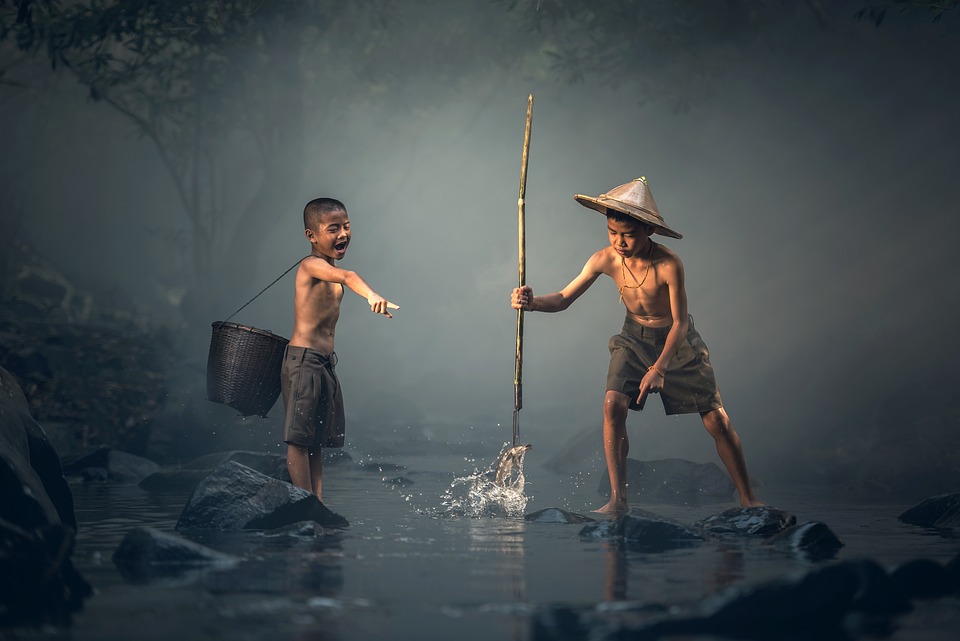
The Joy of Fishing with Others
Fishing often evokes feelings of camaraderie and connection. Sharing your lakeside adventure with family or friends can transform an ordinary trip into a memorable experience. Here are some tips for maximizing group fishing outings:
- Plan Ahead: Discuss roles, expectations, and gear needs to avoid confusion.
- Catch and Release: Foster a culture of sustainability by encouraging catch-and-release practices.
- Cooking Together: Preparing and enjoying the catch together creates lasting memories.
Lakeside Fishing Etiquette
Respect for the environment and fellow anglers is pivotal in maintaining enjoyable fishing experiences. Here are some essential boating and fishing courtesies to practice:
- Maintain Distance: Respect the space of others and avoid crowding fishing spots.
- Clean Up: Leave the area better than you found it by cleaning up trash and disposing of waste responsibly.
- Share Tips: If someone is struggling, offer advice or support; fishing is a community activity.
After the Catch: Cooking and Preparing Fish
After a successful day fishing, the next step is preparing your catch. Fresh fish can be a culinary delight, and various methods allow you to savor your hard work:
Cleaning and Filleting
Understanding how to clean and fillet your catch is essential:
- Keep it Fresh: Clean the fish as soon after catching as possible.
- Use Sharp Tools: Invest in a good-quality fillet knife for precise cuts.
- Follow Safety Guidelines: Ensure proper application of food safety practices to avoid contamination.
Cooking Methods
There are countless ways to cook your catch:
- Grilling: A simple and quick method that enhances the flavor of the fish.
- Frying: Popular for panfish, this method provides a crunchy exterior.
- Baking: A healthy option allowing for additional seasonings and flavors.
Conclusion
Ultimately, lakeside fishing adventures offer a unique blend of excitement, relaxation, and connection with nature. With the right preparation, equipment, and knowledge, you’ll not only cast your line but also cast your dreams of unforgettable moments with family and friends. Whether you’re after the thrill of reeling in a lunker or simply enjoying a sunset by the water, remember that the best days of fishing often come from the experiences we share.
FAQs
What license do I need for lakeside fishing?
Licensing requirements vary by location. Check your local regulations, as you typically need a fishing license to fish in public lakes.
What are the best times to fish?
The best times to fish are usually early morning or late evening when fish are most active. Weather conditions can also influence activity levels.
Do I need special gear for lakeside fishing?
While basic fishing gear works for newcomers, specialized equipment like spinning rods and specific lures may enhance your fishing experience based on the species you target.
Can I fish alone?
Absolutely! Many people enjoy fishing solo. It can be a peaceful way to unwind and connect with nature.
How do I clean and prepare the fish I catch?
Cleaning and preparation involve removing the scales, gutting the fish, and filleting if preferred. Always follow food safety practices to ensure freshness.
- bass fishing
- Bluegill Fishing
- carp fishing
- catfish fishing
- Crappie Fishing
- freshwater angling
- freshwater bait fishing
- freshwater fishing
- freshwater fishing gear
- freshwater fishing guides
- freshwater fishing species
- freshwater fishing techniques
- freshwater fishing tips
- freshwater fly fishing
- freshwater spinning fishing
- inland fishing
- lake fishing
- lakes fishing
- largemouth bass fishing
- muskie fishing
- panfish fishing
- Perch Fishing
- pike fishing
- pond fishing
- reservoir fishing
- reservoirs fishing
- river fishing
- rivers fishing
- Salmon Fishing
- smallmouth bass fishing
- stream fishing
- Tilapia Fishing
- Trout Fishing
- Walleye Fishing








Leave a comment