









Fishing is more than just a pastime; it’s a way of life for many. For beginners, selecting the right fishing rod can feel overwhelming with endless choices available. Whether you’re dreaming of tranquil days by the river or casting off into the ocean, understanding what makes the perfect rod is essential for a successful and enjoyable fishing experience.
Types of Fishing Rods
Before narrowing down your options, it’s important to understand the different types of fishing rods available. Each serves distinct purposes based on the fishing environment, targeted species, and personal preferences.
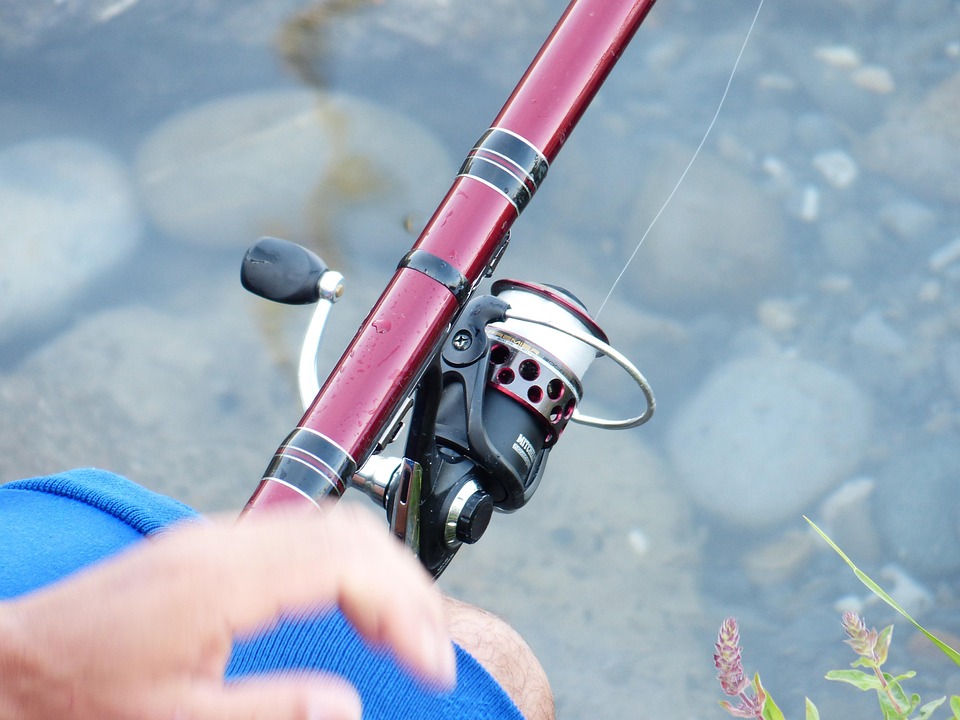
- Spinning Rods: Versatile and user-friendly, spinning rods are ideal for beginners. They are designed for light to mid-weight fishing and can be used in various environments, from lakes to rivers.
- Baitcasting Rods: These rods offer greater accuracy for experienced anglers. They are suitable for larger fish but require more skill to operate effectively.
- Fly Rods: Designed for fly fishing, these rods are longer and more flexible, allowing for delicate presentation. While they provide an exciting challenge, they can be less user-friendly for novices.
- Telescopic Rods: Compact and easy to transport, telescopic rods collapse for storage and are great for travel. They may not offer the same durability as traditional rods.
- Surf Rods: These are longer rods designed for casting into the ocean from the shore. Their length gives anglers the ability to cast beyond the breaking waves to where the fish reside.
Length Matters
Rod length impacts casting distance and line control, thus influencing your fishing success. For beginners, a medium length rod (6 to 7 feet) is often the best choice. This length offers a balance between ease of use and the ability to cast longer distances.
Power and Action
Understanding the terms “power” and “action” is crucial for choosing a rod that aligns with your fishing style.
- Rod Power: Refers to the rod’s strength, categorized as ultra-light, light, medium, and heavy. Beginners typically start with a medium power rod, which offers versatility for various species.
- Rod Action: Describes how the rod flexes. Fast action rods bend near the tip and are ideal for quick hook sets, while slow action rods bend throughout their length, providing better control for lighter lures.
Materials and Construction
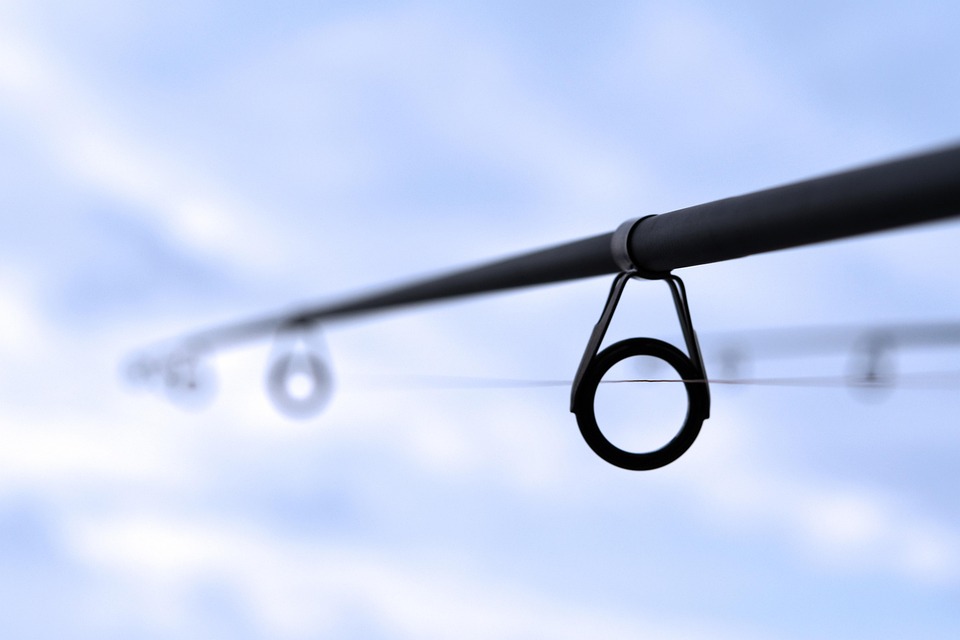
Fishing rods are primarily made from fiberglass or graphite. Each material has its pros and cons:
- Fiberglass: Durable and inexpensive, these rods are heavy but suitable for beginners. They are forgiving when it comes to learning casting technique.
- Graphite: Lightweight and sensitive, graphite rods provide faster performance and better feedback. They are ideal for more experienced anglers but come with a higher price tag.
Reels and Rods: A Perfect Match
The rod and reel are like dance partners—balancing each other perfectly enhances performance. For beginners, pairing a spinning rod with a spinning reel is usually the best approach due to its ease of use. Reels come in various sizes and gear ratios, so choose one that complements the type of fishing you plan to do.
Matching Your Reel to the Rod
Always check the rod’s specifications to identify the compatible reel size and weight. Mismatched combinations can lead to poor performance and frustration on the water.
Your Budget: Invest Wisely
Fishing rods can range from $20 to several hundred dollars. As a beginner, aim for a quality rod in the $50 to $150 range. This price point typically offers a good balance of performance and affordability without breaking the bank.
Where to Buy Your First Rod
Buying a fishing rod can be done in-store or online. While online shopping offers convenience, visiting a local tackle shop provides the advantage of expert advice and hands-on experience. Many shops also offer starter packages, which combine rods, reels, and essential gear at a discounted price.
Test Before You Buy
If possible, try out a few rods before making a purchase. Pay attention to the rod’s feel, weight, balance, and flexibility. A comfortable rod will enhance your fishing experience.
Essential Accessories
Besides your fishing rod, there are essential accessories every angler needs:
- Fishing Line: Choose the right type based on your fishing method and target species.
- Terminal Tackle: This includes hooks, weights, and lures that are crucial for successfully catching fish.
- Fishing License: Don’t forget to acquire a fishing license according to local regulations. It ensures you fish legally and helps fund conservation efforts.
Learning and Growing as an Angler
Once you’ve chosen your first rod, the adventure is just beginning. Take the time to learn about local fish species, study techniques, and perhaps even find a mentor or join a local fishing club. Engaging with experienced anglers can offer invaluable insights and enhance your enjoyment of the sport.
Access Online Resources
Utilize various online platforms—videos, forums, and blogs—dedicated to fishing. Websites like the American Sportfishing Association and Fishbrain can provide tips and connect you with fellow anglers.
Remember Safety First
Always prioritize safety when fishing. Wear appropriate gear such as a life jacket if you’re on a boat, apply sunscreen to protect against UV rays, and stay hydrated. Fishing can take you to incredible places, so being prepared enhances the experience.
With your new rod and the right mindset, you’re set to create lasting memories in the great outdoors. Fishing isn’t just about catching fish; it’s about the experience, the environment, and the tranquility that comes from being one with nature.
Choosing your first fishing rod is a delightful step into a world of leisure, community, and adventure. With various types, materials, and specifications, finding the right rod tailored to your preferences is key to a successful start. Remember, fishing is as much about the journey as it is about the destination. Embrace the learning curve and enjoy every moment spent with rod in hand.
Frequently Asked Questions
A: A medium spinning rod is often recommended for beginners due to its versatility and ease of use.
A: Aim to spend between $50 and $150 for a quality rod that balances performance and affordability.
A: Besides a rod and reel, you’ll need fishing line, terminal tackle, and a fishing license.
A: While not necessary, taking lessons can significantly improve your skills and confidence as a beginner.
A: No, fly fishing requires specialized fly rods designed for that technique.
- beginner bass fishing
- beginner carp fishing
- beginner catfish fishing
- beginner fishing advice
- beginner fishing baits
- beginner fishing gear
- beginner fishing guides
- beginner fishing guides online
- beginner fishing knots
- beginner fishing lures
- beginner fishing mistakes
- beginner fishing reels
- beginner fishing rods
- beginner fishing strategies
- beginner fishing techniques
- beginner fishing tips
- beginner fishing trips
- beginner fishing tutorials
- beginner fishing videos
- beginner fly fishing
- beginner freshwater fishing
- beginner muskie fishing
- beginner panfish fishing
- beginner pike fishing
- beginner saltwater fishing
- beginner trout fishing
- fishing basics
- fishing for beginners
- how to fish
- new anglers tips










Leave a comment