









Freshwater fishing is more than just a recreational activity; it can be a profound journey that reconnects us to nature, teaches patience, and sharpens our skills. With a diverse range of locations, species, and techniques, the world of freshwater fishing is both fascinating and expansive. Whether you’re a novice angler or a seasoned pro, this guide will walk you through the essentials needed for a successful and fulfilling fishing adventure.
Understanding Freshwater Fishing
Freshwater fishing takes place in rivers, lakes, and ponds, where the water is significantly less salty than ocean water. This domain hosts a variety of fish species, each with unique behaviors and habitats. Popular freshwater species include:
-
- Trout: Known for their acrobatics and delicious flavor, trout are often found in cold, clear streams.
-
- Bass: Both largemouth and smallmouth bass attract anglers for their aggressive nature and fighting spirit.
-
- Catfish: Recognized for their whiskered faces, catfish are adaptable and can thrive in various water bodies.
-
- Panfish: Including bluegill and crappie, panfish are easy to catch, making them perfect for young anglers.
Essential Gear and Tackle
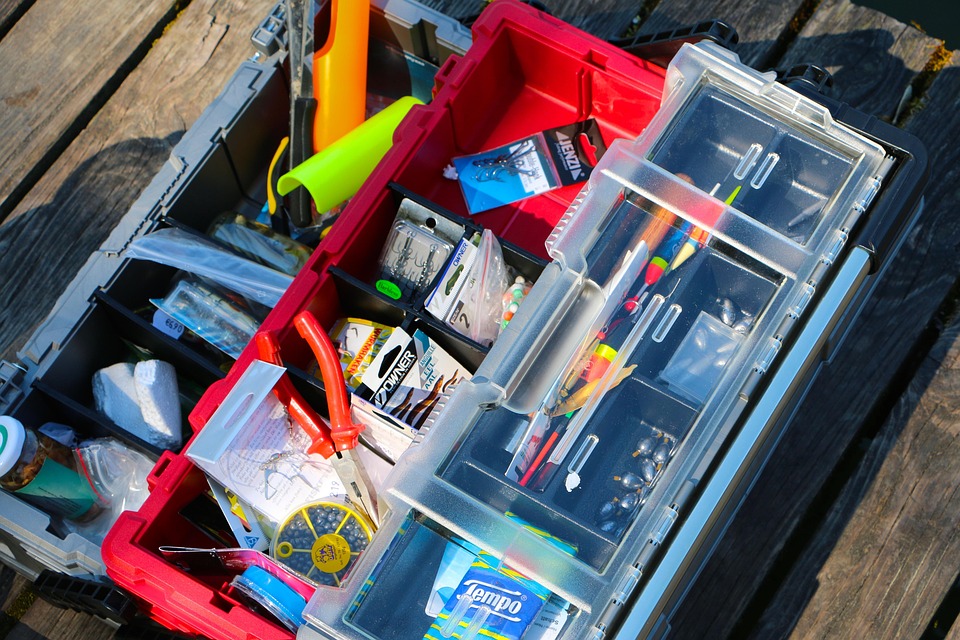
No successful fishing trip is complete without the right gear. Before heading out to your chosen fishing spot, ensure you have the following essentials:
1. Fishing Rod and Reel
Your choice of rod and reel depends on the species you’re targeting. A spinning reel is versatile for different fishing scenarios, while baitcasting reels provide greater precision and control when targeting larger fish.
2. Fishing Line
Selecting the appropriate fishing line is crucial. Monofilament lines are user-friendly and ideal for beginners, while braided lines offer enhanced sensitivity and strength. Fluorocarbon lines are almost invisible underwater, making them an excellent choice for cautious fish.
3. Hooks and Lures
Hooks come in various sizes and styles, so it’s essential to choose the right one for your bait and target fish. Lures, on the other hand, can mimic the appearance and movement of prey. Popular types include:
-
- Spooning: Effective for deeper waters.
-
- Jigs: Great for various species and fishing conditions.
-
- Topwater lures: Perfect for surface feeding fish; their splashing attracts attention.
Choosing the Right Location
Location is key to a successful fishing experience. Here are some tips for finding the best spots:
1. Research Local Bodies of Water
Check fishing reports, local forums, and maps. Apps like Fishbrain provide detailed information on fish populations and hotspots.
2. Observe the Environment
Look for signs of fish activity, such as jumping fish or ripples on the water’s surface. Vegetation can also indicate a fruitful spot, as it offers shelter and food for fish.
3. Time Your Visits
Fishing during early morning or late evening often yields better results, as fish are more active during these cooler times of the day. Weather patterns also play a role; overcast days can make fish feel more secure, leading to increased activity.
Mastering Techniques
While it’s essential to have the right gear and location, mastering fishing techniques can significantly enhance your success:
1. Casting Techniques
Learning to cast effectively is a vital skill. The two most common casting methods are:
-
- Overhead Casting: Your rod tip should begin above your shoulder and end near the water’s surface.
-
- Pitching and Flipping: Ideal for precision hitting in tight spaces, this technique is useful for targeting bass hiding among vegetation.
2. Presentation
The way you present your bait or lure can make a difference between catching fish or going home empty-handed. Vary your retrieval speed and method until you find what appeals to the fish that day.
3. Catch and Release
Practice sustainable fishing by employing catch and release strategies. This practice ensures fish populations remain stable and allows future generations of anglers to enjoy the sport.
The Regulations
Before heading out, familiarize yourself with local fishing regulations. Most freshwater fishing locations have specific rules regarding:
-
- Fishing licenses: Most states require a fishing license for anglers above a certain age.
-
- Seasonal limits: Certain species may have specific fishing seasons.
-
- Size and bag limits: Regulations are often in place to ensure sustainable fish populations.
Conclusion
Freshwater fishing offers a unique blend of challenge and enjoyment that draws people to lakes, rivers, and streams around the world. From casting techniques to understanding the underwater environment, every trip provides an opportunity for learning and connection with nature. Whether you savor the tranquility of a quiet morning on the water or the thrill of reeling in a massive catch, the adventures found in freshwater fishing are sure to create lasting memories. So, gather your gear, choose your spot, and cast your line into the wonderful world of freshwater fishing—it promises to be an adventure like no other.
Frequently Asked Questions (FAQs)
1. Do I need a fishing license?
Yes, most states require anglers above a specific age to obtain a fishing license. Check local regulations to ensure compliance.
2. What is the best time of day to fish?
Early morning and late evening are often the best times to fish, as fish tend to be more active during cooler temperatures. However, overcast days can also be fruitful.
3. How do I choose the best bait?
The best bait will depend on the fish species you are targeting. Live bait, such as worms or minnows, is generally effective, while artificial lures can attract fish based on their movement and appearance.
4. Can I fish from shore?
Yes, many freshwater locations allow shore fishing. Be sure to check access points and local regulations.
5. What are catch and release practices?
Catch and release practices involve safely returning caught fish back to the water to ensure their survival, promoting sustainable fishing and healthy fish populations.







Leave a comment