















When it comes to predator fishing, the right reel can make all the difference between landing the catch of a lifetime or enduring endless frustration. Predator fishing, whether for bass, pike, or other sport fish, requires specialized equipment to maximize your success. In this article, we’ll delve into the intricacies of choosing the perfect predator fishing reel tailored to your needs and experiences, ensuring your next fishing adventure is a triumph.
Understanding Predator Fishing
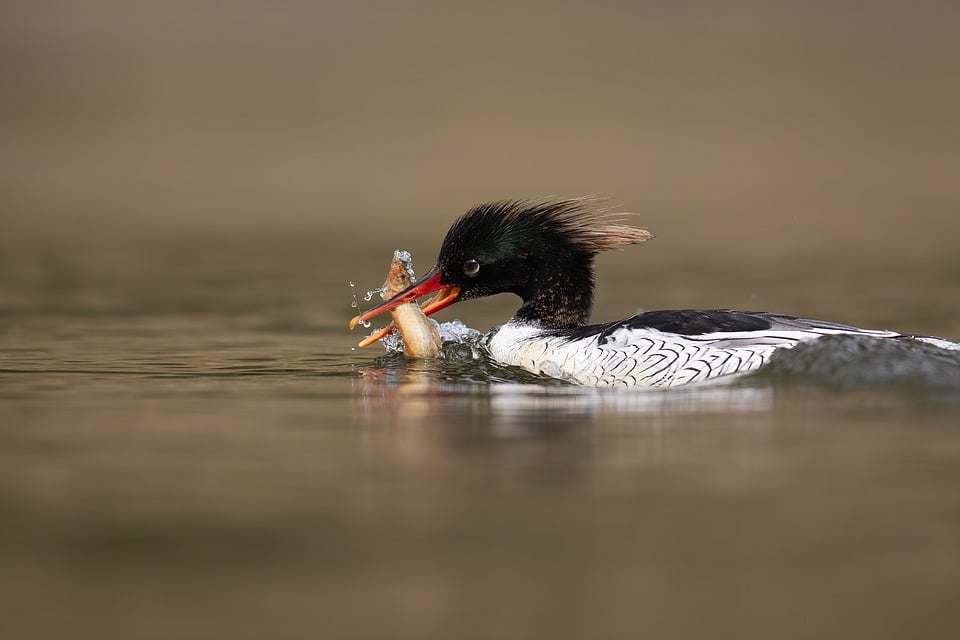
Before diving into the technicalities of reels, it’s essential to grasp what predator fishing entails. These fish are opportunistic predators that hunt for smaller fish, often offering a thrilling challenge to anglers. They can be found in various environments, from freshwater lakes to brackish estuaries. Depending on the species, the methods and equipment you’ll need can vary significantly.
Types of Fishing Reels
Fishing reels come in various shapes and sizes, each with unique features that suit different fishing styles. Here’s a breakdown of the primary types:
- Spinning Reels: Ideal for beginners and versatile enough for various fishing techniques.
- Baitcasting Reels: Excellent for accuracy and control, preferred by experienced anglers.
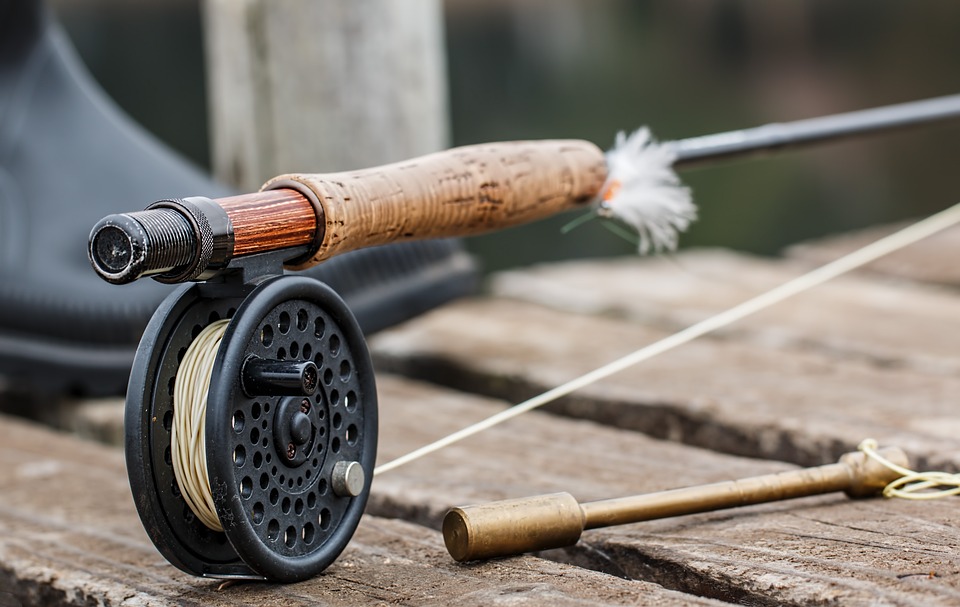
- Fly Reels: Used primarily for fly fishing, which is a different technique altogether.
- Spin-cast Reels: Good for beginners for their ease of use and simplicity.
Key Features to Consider
When choosing the perfect predator fishing reel, several features dictate performance and suitability. Here’s a closer look at these attributes:
1. Gear Ratio
The gear ratio refers to the number of revolutions the spool makes per crank of the handle. For predator fishing, lower gear ratios (around 5:1) are ideal for heavy lures and bigger fish, providing more power. Conversely, higher ratios (7:1 and above) are suitable for faster retrieves when you need to quickly reel in line.
2. Drag System
A quality drag system is essential for ensuring your line can give when a fish makes a strong run. Look for smooth, consistent drag capabilities. Most reels offer a drag range, and for predator fishing, a strong drag of at least 10-20 lbs is preferable, depending on the species you’re targeting.
3. Line Capacity
The amount of line a reel can hold is vital. Different species will require different line strengths, so checking the line capacity is crucial, especially when targeting bigger fish like pike or musky.
4. Construction and Material
Durability is key when facing the aggressive nature of predator fish. Reels made from materials like aluminum or composite materials are robust and resistant to corrosion, especially in saltwater conditions. Look for models with sealed components to prevent damage from water and debris.
5. Weight
A lightweight reel can enhance comfort during long fishing sessions. However, ensure that it’s sturdy enough to handle the battles you might face with predator fish. Finding the right balance is essential.
6. Bearings
Quality bearings reduce friction and result in a smoother performance when casting and retrieving. Look for reels with stainless steel or sealed bearings, as they are more resistant to corrosion and wear.
Your Fishing Environment
The environment in which you’ll be fishing significantly influences your choice of reel. Here are some considerations based on freshwater vs. saltwater:
Freshwater Fishing
Freshwater environments, such as lakes, rivers, and streams, typically require different reel features compared to saltwater fishing. While you can choose a lightweight spinning reel, ensure it’s durable, especially if targeting larger species like northern pike. A model with a solid drag system and good line capacity will serve you well.
Saltwater Fishing
Saltwater environments are harsher on equipment due to corrosion risks. Here, you’ll want to invest in reels specifically designed for saltwater use, with strong anti-corrosive features and sealed components. Heavy-duty baitcasting reels can be a great choice for tackling bigger saltwater predators, like tarpon or sharks.
Budget Considerations
When selecting the best reel for predator fishing, your budget plays a vital role. Here’s a gradient breakdown:
- Entry-Level: $50 – $100: Basic models, good for beginners who are still learning the ropes.
- Mid-Range: $100 – $250: More durable and feature-rich options for amateur to intermediate anglers.
- High-End: $250+: Top-of-the-line reels with advanced features, designed for serious anglers and long-term use.
Reviews and Recommendations
For those still feeling overwhelmed, here are a few recommended models based on various requirements:
Best Spinning Reel
Daiwa BG Spinning Reel: Known for its durability and smooth performance, ideal for freshwater and light saltwater applications.
Best Baitcasting Reel
Shimano Curado K: Offers excellent control and precision in handling heavier lures.
Best Budget Option
Pflueger President Spinning Reel: An affordable choice that doesn’t compromise on performance.
Best Saltwater Reel
Penn Clash II Spinning Reel: Sturdy build and corrosion-resistant materials perfect for battling saltwater predators.
Conclusion
Choosing the perfect predator fishing reel is crucial to enhancing your fishing adventure. By understanding the different types of reels, their key features, and how they perform in various environments, you can make an informed decision tailored to your specific fishing needs. With the right tools in hand, you increase your chances of a successful catch, making memories to last a lifetime.
FAQs
1. What is the best reel for beginner predator fishing?
The best option would be a spinning reel due to its ease of use. Models like the Pflueger President offer good quality at a budget-friendly price.
2. How do I maintain my fishing reel?
Regularly clean your reel by rinsing it with freshwater, especially after saltwater use. Lubricate moving parts periodically and check the drag system for wear.
3. What size reel should I choose for freshwater predator fishing?
A 2500 or 3000 size spinning reel is generally ideal for targeting species like pike and bass in freshwater.
4. Can I use a baitcasting reel for all types of predator fishing?
Yes, baitcasting reels are versatile and can be used for many predator species, but they require more practice to master, especially when learning to control line tension.
5. What is a good starting budget for a quality predator fishing reel?
Starting with a budget of around $100 can offer several quality options that will suit most casual anglers.
- advanced predator fishing
- aggressive fish fishing
- barracuda fishing
- barracuda lure fishing
- freshwater predator fishing
- large predator fishing
- muskie fishing
- muskie lure fishing
- pike fishing
- pike lure fishing
- predator angling
- predator fishing
- predator fishing baits
- predator fishing destinations
- predator fishing for beginners
- predator fishing gear
- predator fishing guides
- predator fishing lures
- predator fishing reels
- predator fishing rigs
- predator fishing rods
- predator fishing seasons
- predator fishing spots
- predator fishing tactics
- predator fishing techniques
- predator fishing tips
- predatory fish fishing
- saltwater predator fishing
- zander fishing
- zander jigging

















Leave a comment