








Fishing isn’t just a pastime; it’s an intricate blend of art, science, and patience. As anglers know, the thrill of the chase can yield bountiful rewards if the right techniques and tools are employed. Whether you’re a seasoned pro or just starting, understanding the strategies to catch the biggest fish can elevate your fishing game from ordinary to extraordinary. Here’s a deep dive into the techniques that can help you reel in success.
The Basics of Understanding Fish Behavior
To catch the biggest fish, you need to study their behavior. Fish are influenced by several factors, including water temperature, time of day, season, and the availability of food.
Water Temperature
Fish are cold-blooded, meaning their body temperature is regulated by their environment. Optimal fishing conditions often occur when water temperatures fall between 65°F to 75°F. Additionally, different species thrive at different temperatures. For instance, bass prefer warmer waters, while trout are found in cooler streams.
Time of Day
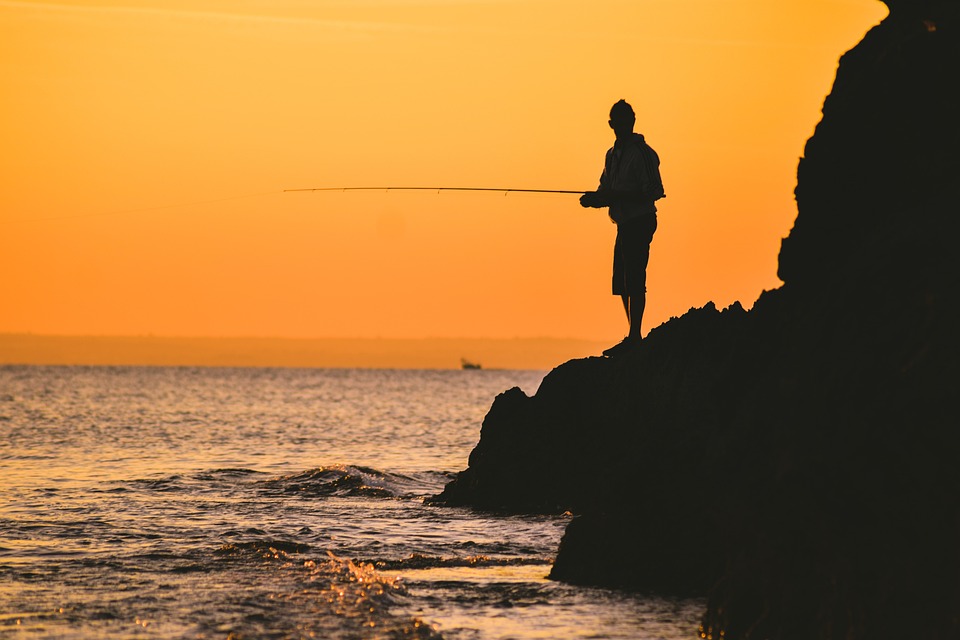
Many anglers have sworn by early mornings and late evenings for catching fish. During these times, the light conditions are perfect for both fish feeding and hunting. Fish are often found closer to the surface in low light, making them easier to catch.
Seasons
Each season brings unique fishing opportunities. In spring, fish move to shallow waters for spawning; summer brings deeper, cooler spots; while fall is often prime time for catching larger fish that are bulking up for winter. Winter fishing takes strategy, often involving ice fishing tactics.
Choosing the Right Equipment
The importance of the right gear cannot be overstated. From rods and reels to hooks and bait, every piece of equipment plays a crucial role in catching big fish.
Fishing Rods and Reels
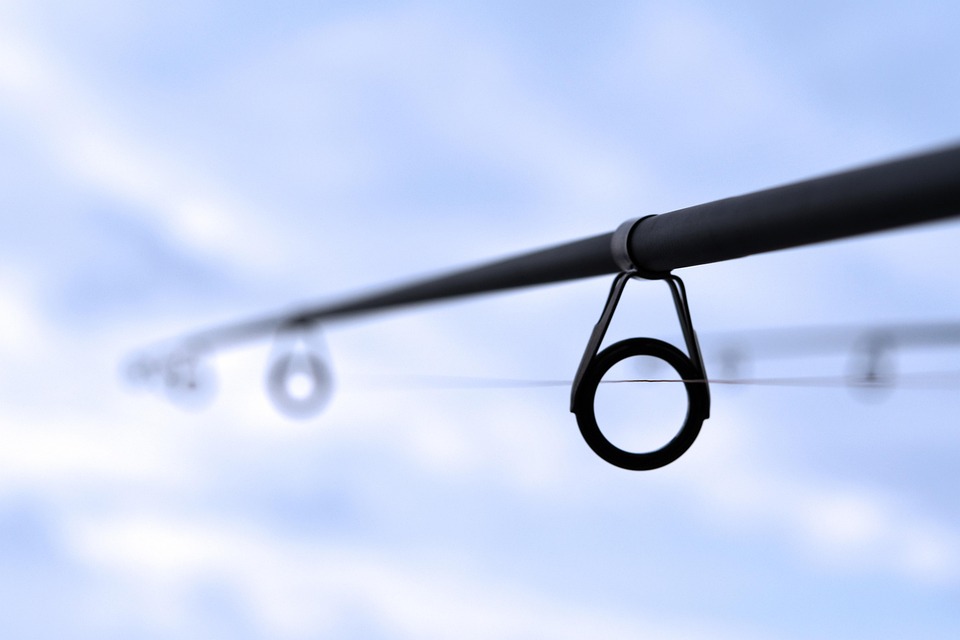
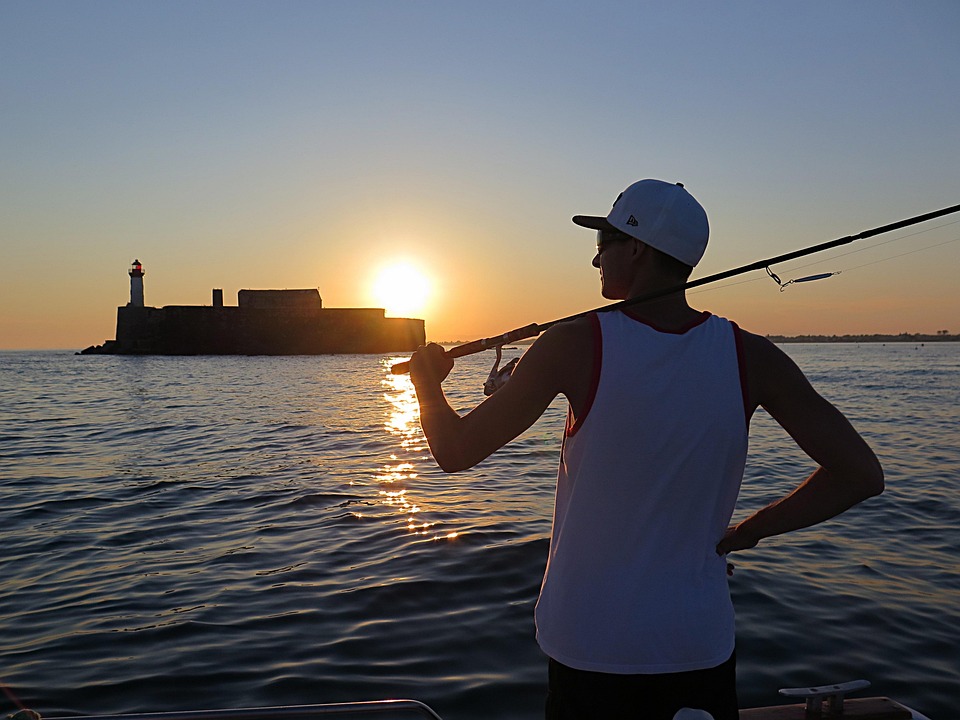
For larger fish, you’ll want a sturdy fishing rod that can handle heavy weights. Look for rods rated for heavy action. Pair it with a quality spinning reel that has a strong drag system. The balance between rod and reel is vital for comfortable casting and fighting bigger fish.
Bait and Lures
Bait can be live or artificial. Live bait, like worms or minnows, can be more effective for bigger fish, as they are highly enticing. On the other hand, artificial lures come in various shapes, sizes, and colors designed to imitate prey. Each lure type, from crankbaits to spinnerbaits, has a specific application and time when it’s most effective.
Advanced Techniques to Hook Big Fish
Targeting Structures
Many large fish prefer habitats with structures such as rocks, submerged trees, or weed beds. These areas provide shelter and serve as hunting grounds. Targeting these spots can increase your chances of landing a trophy fish.
Understanding Tides and Currents
Tidal movements influence fish behavior, particularly in coastal fishing. Knowing when tides are coming in or going out can help you gauge where fish are likely to be. Similarly, current can concentrate fishes’ foraging activities, making these areas prime locations for casting your line.
Using Technology
Today’s anglers have access to advanced technologies such as fish finders, GPS, and sonar equipment. These tools can significantly enhance your fishing strategy by helping you locate fish more efficiently and navigate unfamiliar waters effectively.
Patience and Persistence: The Angler’s Virtue
Catching big fish often requires a combination of skill, technique, and an abundance of patience. Many seasoned fishermen attest that the ability to stay calm and persistent during long hours of waiting makes all the difference.
It’s essential to vary your techniques and be willing to change your approach based on what the fish are responding to. If you find that you are not having much luck, don’t hesitate to alter your bait, change your fishing spot, or modify your retrieval techniques — flexibility is key.
Environmental and Ethical Considerations
As avid anglers seek bigger catches, the importance of sustainable fishing practices becomes paramount. Overfishing and harm to aquatic ecosystems can lead to long-term negative effects on fish populations.
Catch and Release
Practicing catch and release ensures that fish populations remain stable for future generations. Utilizing barbless hooks and minimizing the time a fish spends out of the water can improve a fish’s chance of survival post-release.
Respecting Local Regulations
Familiarize yourself with local fishing regulations regarding size limits and fishing seasons. These regulations exist to protect species and maintain balance in aquatic ecosystems.
Conclusion
Catching the biggest fish is as much about respect for the environment and fish behavior as it is about technique. By understanding fish habits, employing the right gear, and practicing ethical fishing, anglers can find fulfillment and success on the water. As you venture out for your next fishing trip, remember that patience and knowledge go hand in hand when reeling in your next big catch.
Key Takeaways
- Understand fish behavior influenced by environmental factors.
- Use suitable equipment tailored to the type of fish you are targeting.
- Employ advanced techniques to maximize your success.
- Practice patience and respect for the environment.
Frequently Asked Questions
What is the best time of year to catch big fish?
The best time often depends on the species you’re targeting, but generally, spring and fall are excellent due to fish spawning and feeding behaviors.
What types of bait work best for larger fish?
Live bait such as minnows or worms is often more effective, but some artificial lures specifically designed for big fish can work equally well.
How do I know if I’m fishing in the right spot?
Look for structures like underwater rocks or vegetation. Utilizing technology like fish finders can also aid in identifying productive fishing areas.
Are there any special techniques for ice fishing?
Yes, ice fishing requires specialized gear and techniques, like using tip-ups or jigging in specific areas known for fish activity beneath the ice.
- big game angling
- big game fishing
- big game fishing baits
- big game fishing destinations
- big game fishing gear
- big game fishing guides
- big game fishing lures
- big game fishing reels
- big game fishing rods
- big game fishing tactics
- big game fishing techniques
- big game fishing trips
- bluewater fishing
- deep ocean fishing
- deep sea fishing
- giant trevally fishing
- kingfish fishing
- mahi mahi fishing
- marlin fishing
- monster fish fishing
- offshore fishing
- offshore trolling
- pelagic fishing
- sailfish fishing
- shark fishing
- sportfishing offshore
- swordfish fishing
- trophy fishing
- tuna fishing
- wahoo fishing








Leave a comment