









Fishing is more than just a pastime; it’s a way of life that draws millions of enthusiasts worldwide to serene lakes, winding rivers, and tranquil ponds. Freshwater fishing, in particular, holds a unique allure, offering anglers a diverse range of experiences. For both newcomers and seasoned veterans, mastering successful fishing techniques can mean the difference between a calm day on the water and the thrill of reeling in a trophy catch. This article delves deep into the various aspects of freshwater fishing, equipping you with essential techniques, tips, and insights that will put you on the path to success.
The Basics of Freshwater Fishing
Before diving into specific techniques, it’s vital to understand the foundational elements of freshwater fishing. Freshwater bodies such as lakes, rivers, and ponds are home to various fish species, including bass, trout, catfish, and panfish. Knowing the type of fish you want to catch will inform your choice of bait, gear, and location.
Understanding Freshwater Fish Species
Each species has its unique behaviors and habitats. For instance:
- Bass: Preferring warmer waters, bass are aggressive predators best caught in the early morning or late evening using topwater lures.
- Trout: Found in colder, clear waters, trout often require more delicate bait such as worms, minnows, or artificial flies.
- Catfish: Known for their bottom-feeding habits, catfish are best targeted with stink baits, live bait, or cut bait.
- Panfish: Species like bluegill and crappie are often easier for beginners and like small lures or live bait.
Essential Fishing Gear
To maximize your fishing success, the right gear is paramount. Here’s a rundown of essential fishing equipment:
Rod and Reel
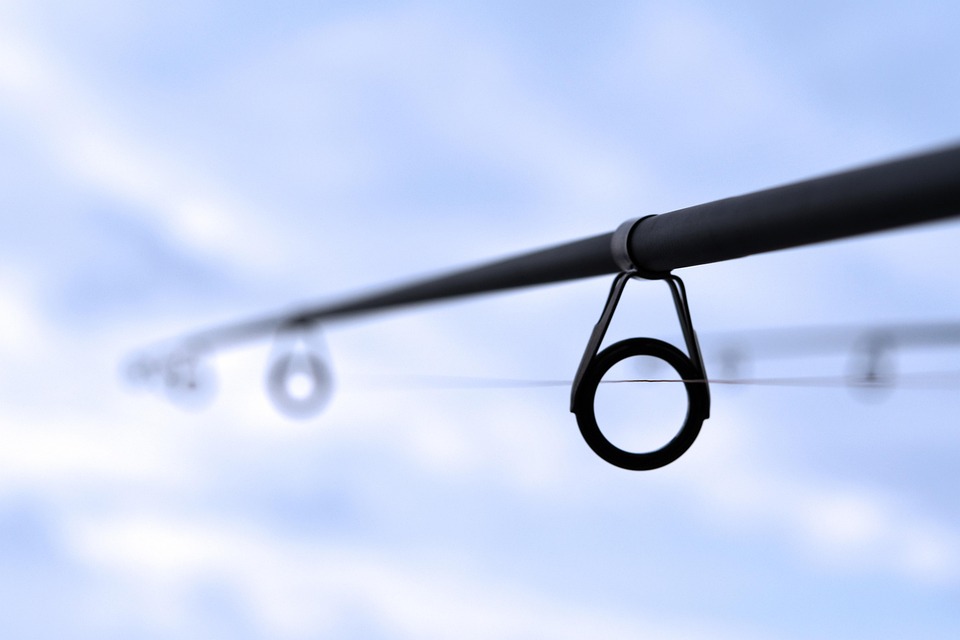
Your choice of rod and reel should match the type of fish you’re targeting. Spinning reels are popular for their versatility and ease of use, whereas baitcasting reels offer greater control for experienced anglers.
Fishing Line
Monofilament, fluorocarbon, and braided lines each have unique properties. Monofilament is user-friendly, fluorocarbon is nearly invisible underwater, and braided line offers unmatched strength.
Bait and Lures
Live bait, such as worms and minnows, can be effective, but it’s essential to match your lure to the fish and the fishing conditions. Artificial lures like jigs, spoons, and soft plastics come in various shapes and sizes.
Techniques for Successful Freshwater Fishing
Mastering specific fishing techniques can enhance your chances of landing a big catch. Below are some tried-and-true methods.
1. Casting Techniques
The ability to cast accurately is vital. Practice different casting techniques like overhand, sidearm, and roll casts, depending on the fishing scenario. The more accurate your cast, the better your chances of tempting fish near their cover or feeding areas.
2. Trolling
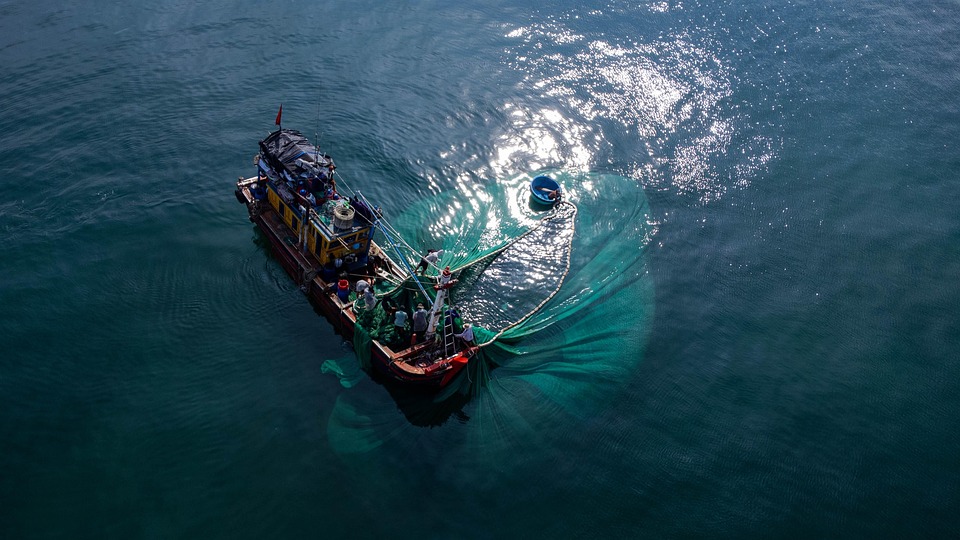
Trolling involves pulling a lure or bait behind a moving boat. It’s an effective way to cover a wide area and locate fish. Adjust your trolling speed based on the species you’re targeting; generally, slower speeds work well for larger fish.
3. Still Fishing
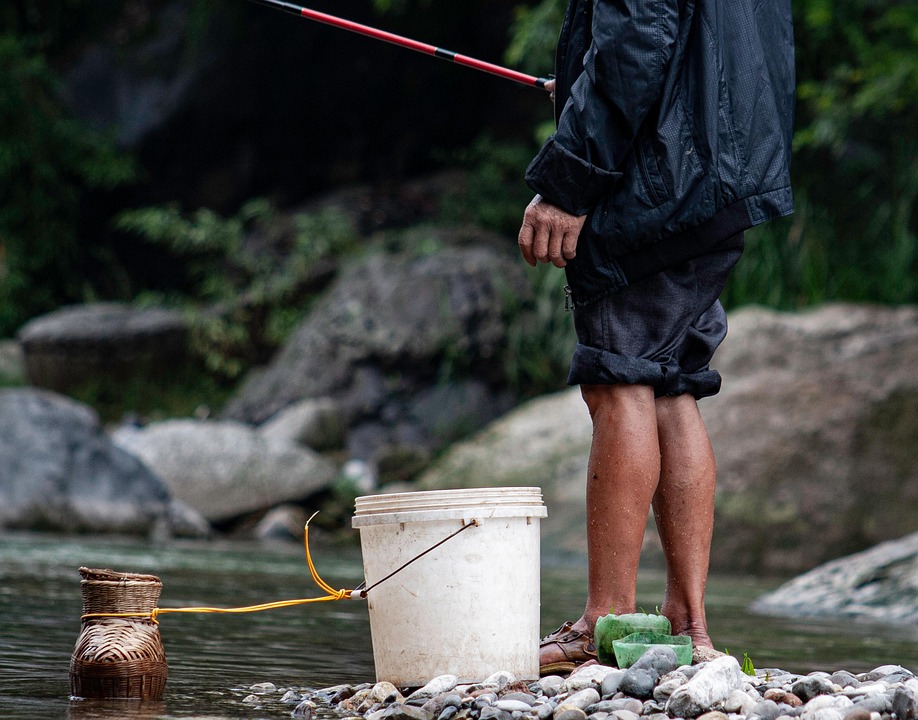
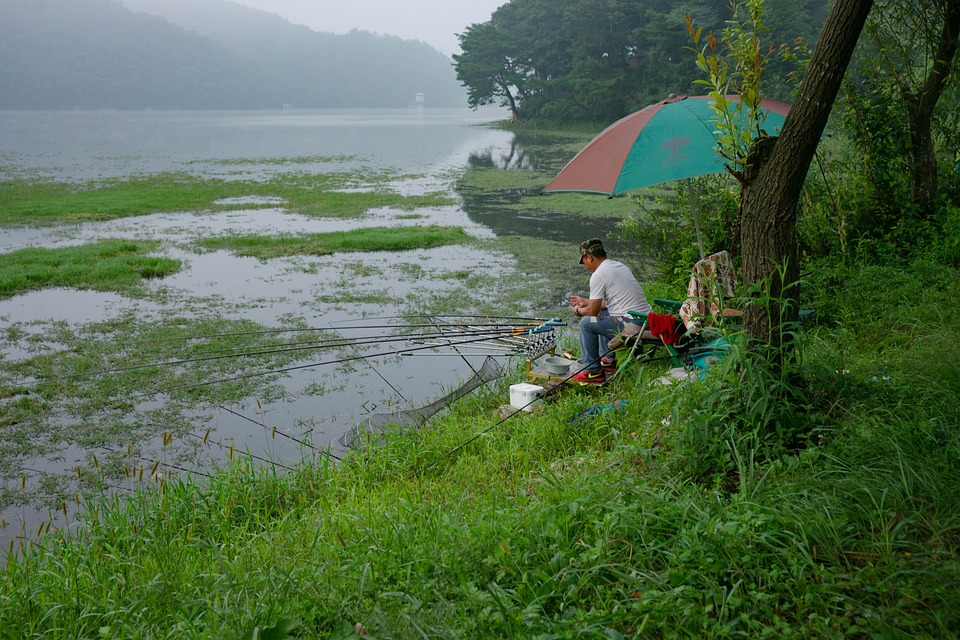
Still fishing involves anchoring your boat or sitting quietly on the shore while allowing your bait to sit in a prime spot. This is particularly effective for bottom-feeders like catfish, as it allows for a more natural presentation.
4. Fly Fishing
Though more specialized, fly fishing is an excellent technique for catching trout and other freshwater species. It requires skill in casting lightweight flies, making it an art form intertwined with nature.
Reading Water Conditions
Understanding water conditions can dramatically improve your fishing success rate. Fish behave differently in varying water conditions, temperature, and clarity.
Temperature
Fish are cold-blooded and their activity is greatly influenced by water temperature. In colder water, fish tend to be less active. Monitor daily forecast temperatures to plan your fishing trips around optimal feeding times.
Weather Conditions
Sunny days might drive fish into deeper waters, while overcast days can bring them closer to the surface. Similarly, fishing just before a storm is often productive as fish sense changes in atmospheric pressure.
Water Clarity
Clear water often means more cautious fish, while murky water provides cover for fish and can lead to aggressive feeding behavior. Adjust your bait color and size accordingly.
Conservation and Sustainability
As enthusiasts of the great outdoors, it’s essential to promote sustainable fishing practices. This helps protect fish populations for future generations. Always adhere to local regulations, practice catch-and-release where necessary, and minimize your impact on the environment.
Catch and Release
Use proper techniques to handle fish you intend to release, ensuring their survival. Wet your hands before handling, use barbless hooks, and keep the fish in the water as much as possible during the release process.
Supporting Local Ecosystems
Be conscious about the products you use and choose eco-friendly options when available. Participate in local conservation efforts and fishing programs that aim to restore and maintain fish habitats.
Conclusion
Freshwater fishing is a rewarding activity that connects you to nature and offers relaxation, adventure, and a sense of accomplishment. By mastering the essential techniques and respecting the environment, you’ll enhance not only your fishing success but also your experiences on the water. Equipped with the right knowledge, gear, and mindset, you’ll be well on your way to becoming a skilled angler. So grab your rod and tackle box, head out to your favorite fishing spot, and get hooked on the endless thrill of freshwater fishing!
FAQs
1. Do I need a fishing license to fish in freshwater?
Yes, most regions require a fishing license to fish legally in freshwater. Check your local regulations for specifics.
2. What’s the best time of day to fish?
Early morning and late evening are generally the best times for fishing, as fish tend to be more active during these cooler parts of the day.
3. How do I choose the right bait?
Select your bait based on the target species and the current fishing conditions. Research or ask local anglers for insights on popular baits in your area.
4. What should I do if I catch a fish I don’t intend to keep?
Follow proper catch-and-release practices. Use wet hands, minimize air exposure, and handle the fish gently to ensure its survival after release.
5. Can I fish from a boat, and what equipment do I need?
Yes, fishing from a boat can be very effective. You’ll need a boat (kayak, canoe, or motorboat), a fishing rod, tackle, and safety equipment like life jackets.
- advanced fishing techniques
- artificial bait fishing
- bait fishing
- boat fishing methods
- casting fishing
- deep sea fishing techniques
- drift fishing
- fishing knots techniques
- fishing methods
- fishing methods for beginners
- fishing rigs methods
- fishing strategy tips
- fishing techniques
- fly fishing techniques
- freshwater fishing techniques
- inshore trolling
- jigging fishing
- live bait fishing
- lure fishing methods
- modern fishing techniques
- offshore trolling
- popping fishing
- professional fishing methods
- saltwater fishing techniques
- shore fishing methods
- slow jigging
- spinning fishing
- topwater popping
- trolling fishing
- vertical jigging










Leave a comment