











Freshwater fishing has long been a favorite pastime for many, offering a chance to unwind, connect with nature, and, for some, even the thrill of the catch. Over the years, fishermen have relied on traditional methods passed down through generations. However, as technology advances and knowledge deepens, innovative techniques are emerging that promise to enhance the freshwater fishing experience. This article explores some of these groundbreaking approaches and offers insights that can help you cast away your limits.
The Role of Technology in Freshwater Fishing
Technology has revolutionized many aspects of our lives, and fishing is no exception. Fish finders, GPS systems, and even smartphone apps have changed how anglers approach different water bodies. A fish finder, for instance, allows you to see underwater structures and identify schools of fish in real-time. These devices use sonar technology to detect fish and can significantly increase your chances of a successful catch.
Besides hardware, various mobile applications can aid in fishing. Apps like Fishbrain and Angler allow users to record catches, track fishing conditions, and connect with a community of anglers. By adopting these tech tools, you can make informed decisions about where to fish and which bait to use.
Eco-Friendly Fishing Practices
As environmental concerns grow, more anglers are seeking eco-friendly fishing practices. Sustainable fishing methods not only protect aquatic ecosystems but also ensure that fish populations remain healthy for future generations. Techniques such as catch-and-release fishing are becoming more prevalent. This involves carefully removing hooks and placing fish back into the water to minimize stress and injury.
Another innovative practice is the use of barbless hooks. Unlike traditional barbed hooks, which can cause more damage to a fish, barbless designs allow for an easier and quicker release. This method can significantly reduce mishaps and enhance the overall health of fish populations.
Understanding Fish Behaviors
Knowledge of fish behavior is crucial for successful fishing. Different species exhibit varying habits based on factors like the time of day, weather conditions, and seasonality. For example, many fish are more active during dawn and dusk, often referred to as the “golden hours.” Understanding these patterns can help you effectively plan your fishing trips.
Moreover, the concept of “Seasonal Patterns” dictates that certain fish species will spawn or feed more actively during specific seasons. For instance, bass fishing peaks in the spring as they move to shallow water to spawn. Researching these patterns can give you an edge, allowing you to tailor your tackle and techniques to match the behaviors of your target species.
Top Techniques for Freshwater Fishing
1. Fly Fishing: An Art Form
Fly fishing is a specialized technique that uses a lightweight lure called an artificial fly. It requires skill and patience, but it can be incredibly rewarding. Anglers must master the art of casting, as the goal is to present the fly in a natural manner. This method is particularly effective in freshwater streams and rivers, where fish often feed on insects.
2. Trolling: Covering Ground
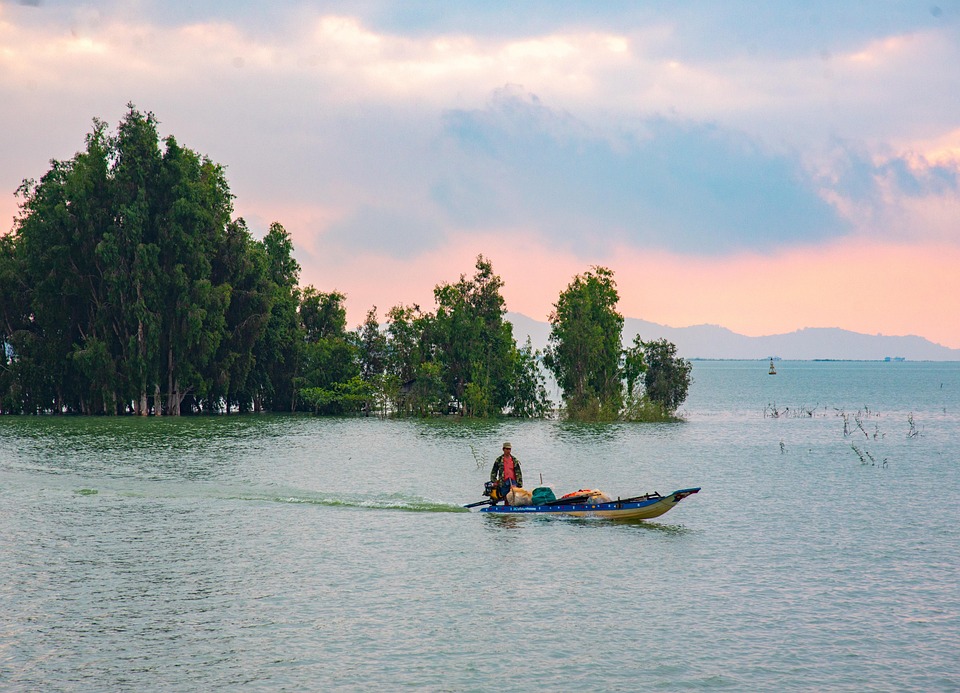
Trolling involves dragging lures or bait behind a moving boat. This technique allows anglers to cover vast areas of water, making it easier to locate fish. It’s effective for species like trout and walleye. Modern trolling systems equipped with downriggers can help anglers present baits at various depths, which is especially useful during warm months when fish may retreat to cooler, deeper waters.
3. Jigs and Soft Plastics: Versatile Options
Jigs and soft plastic lures are incredibly versatile and can be adapted to various fishing situations. Jigs can be used in both freshwater and saltwater environments, mimicking the movement of prey species. Soft plastics come in numerous shapes and colors, enabling you to match the local forage precisely. Rigging techniques like Texas rigging or Carolina rigging can provide versatility for targeting specific species.
4. Night Fishing: A Different Angle
Fishing during the night can yield exciting results, as many species, including catfish and bass, tend to be more active after sundown. Setting up lights can attract baitfish, drawing in larger predator fish. This method can be particularly effective during the warmer months when fish are more comfortable in the cooler night waters.
Local Knowledge: Community and Inspiration
Connecting with local fishing communities can provide invaluable insights and tips specific to your fishing area. Local tackle shops often host seminars, workshops, and even fishing tournaments. Attending these events not only enhances your skills but also allows you to forge connections with fellow anglers. Online forums and social media platforms can also serve as modern meeting grounds to share experiences and advice.
The Importance of Conservation
As the sport of fishing evolves, the importance of conservation should remain a central focus. Ensuring sustainable practices not only protects the ecosystems but also enriches the fishing experience for future generations. By adopting catch-and-release practices and supporting local conservation initiatives, you can actively participate in the preservation of aquatic environments.
Conclusion
Innovation in freshwater fishing is not just about new gadgets or techniques. It’s about a mindset—an openness to learning, adapting, and evolving as an angler. The blend of technology, eco-conscious practices, and an understanding of fish behaviors can elevate your fishing experience, transforming it into something extraordinary. As you venture out on the water, remember to cast away your limits, embrace new strategies, and foster a respectful connection with nature. The waterways are full of mysteries waiting to be uncovered; all you need is the willingness to dive in.
FAQs
1. What is the best time of year to go freshwater fishing?
The best time largely depends on the species you are targeting. Generally, spring and fall are excellent for many species, as fish are more active during these seasons. Early mornings and late afternoons tend to be the most productive times of day.
2. Do I need a fishing license for freshwater fishing?
Yes, most areas require anglers to have a fishing license. Be sure to check local regulations to ensure you comply with fishing laws.
3. What equipment do I need for freshwater fishing?
Your equipment will depend on the type of fishing you’re doing, but generally, you’ll need a fishing rod and reel, suitable bait or lures, a tackle box, and appropriate clothing/gear for the weather conditions.
4. Is it necessary to use a fish finder?
While not necessary, a fish finder can significantly improve your chances of success by helping you locate fish and understand underwater structures. For beginner anglers, it can serve as a useful learning tool.
5. How can I practice sustainable fishing?
You can practice sustainable fishing by using catch-and-release techniques, choosing barbless hooks, and respecting local regulations regarding bag limits and sizes. Always clean up after yourself and consider participating in local conservation efforts.
- advanced fishing techniques
- artificial bait fishing
- bait fishing
- boat fishing methods
- casting fishing
- deep sea fishing techniques
- drift fishing
- fishing knots techniques
- fishing methods
- fishing methods for beginners
- fishing rigs methods
- fishing strategy tips
- fishing techniques
- fly fishing techniques
- freshwater fishing techniques
- inshore trolling
- jigging fishing
- live bait fishing
- lure fishing methods
- modern fishing techniques
- offshore trolling
- popping fishing
- professional fishing methods
- saltwater fishing techniques
- shore fishing methods
- slow jigging
- spinning fishing
- topwater popping
- trolling fishing
- vertical jigging












Leave a comment